5 Simple Ways to Get Your Pergola Ready for Winter
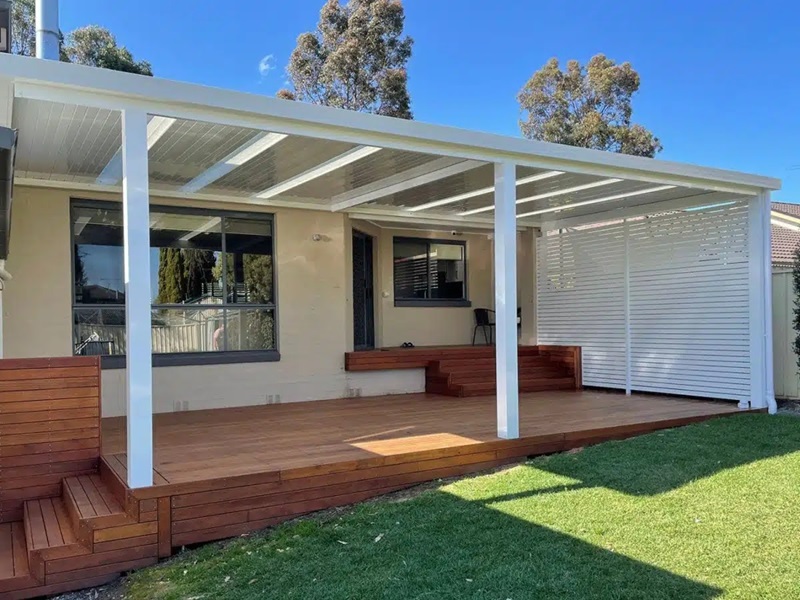
Australians live on a different seasonal calendar to much of the world. While families in the northern hemisphere are packing away their coats and planning beach trips, we are pulling out blankets, checking the outdoor furniture, and settling in for the cooler months.
The weather in Australia runs opposite to Europe and North America, with winter stretching from June through August. That seasonal shift changes how we live, entertain, and use our homes. A pergola is often one of the first spaces to be forgotten once the cooler weather arrives. The cushions get packed away, the table gets pushed to one side, and the area that felt like the heart of the home in summer slowly becomes somewhere you walk past.
It does not have to stay that way. With a few thoughtful changes, your pergola can still feel warm, welcoming, and useful through winter, especially in areas such as Sydney and Macarthur where the season is often mild enough to enjoy outdoor living with the right setup.
In this post, we will walk through five easy and genuinely useful ways to get your pergola ready for winter, so you can keep enjoying your outdoor space long after the temperature drops.
How to Create a Winter-Ready Pergola
A pergola that felt perfect in January can feel draughty and unloved by July. That is a shame, because winter evenings outdoors, with a warm drink, soft lighting, and good company, can be some of the nicest moments you will have at home all season.
The five ideas below do not all require a renovation budget or a free weekend every month. Some are small changes that make the space more comfortable almost straight away. Others may need help from a professional, especially if they involve roofing, structure, electrical work, or drainage. You can choose the ones that suit your pergola, your family, and how you actually like to spend your evenings.
Notice How Winter Moves Through the Space
Before you spend money on new features, take a few days to notice how your pergola behaves in winter. Stand there in the morning, late afternoon, and evening. Notice where the wind cuts through, where rain blows in, whether the floor stays damp, and whether the low winter sun reaches the seating area.
This small step can save you from making changes that look appealing but do very little. A pergola that feels cold at 5 pm might only need one side protected from the wind. A space that feels gloomy may need better lighting or a lighter roof covering. If the seating area never gets sun, moving the furniture may help more than buying another heater.
This matters even more if you are planning to build a new pergola or updating an older one. The way you build the space should respond to your home, the roofline, the garden, and the weather that actually reaches that corner of the yard. Winter comfort is often shaped early through decisions such as roof pitch, post placement, drainage, and where the seating will sit.
Block the Wind Before You Add More Heat
Many people start with heaters, but wind is often the real reason everyone heads back inside. A still winter evening can feel quite pleasant with a jumper and a hot drink. The same evening with a cold breeze running through the pergola can feel uncomfortable very quickly.
Outdoor blinds are a common option because they can reduce wind and rain without permanently closing off the space. Clear PVC blinds can help keep the garden view, while fabric outdoor blinds can soften glare and create a more sheltered feel. Fixed privacy screens, slatted panels, or partial side walls can also work well, especially on the side that takes the worst of the weather. Consulting with a local pergola specialist can also help you plan these additions properly and ensure the space is used to its full potential throughout every month of the year.
Choose Heating That Suits the Way You Use the Space
Once the wind is under control, heating can make the pergola much more inviting. The right option depends on how the space is built and how often you use it.
Electric strip heaters are popular for covered pergolas because they warm people directly and can be mounted overhead, away from furniture and foot traffic. They can work well for outdoor dining areas or regular evening use. Freestanding gas heaters may suit larger or more open areas, although they need proper ventilation and safe clearance from roofing, walls, blinds, and furniture.
A fire pit can be lovely near an open pergola, especially if the seating is arranged around it, but it is not suitable for every space. Open flames need distance from timber, roofing, screens, cushions, and any overhanging plants. Local rules and fire safety advice should also be checked before you make it part of your winter setup.
Important: A heater can make the area more enjoyable, but only when it is matched to the space and installed with care. To ensure safety and performance, follow the manufacturer’s clearance instructions carefully.
Bring in Furnishings That Feel Right for Winter
Summer furniture and winter comfort are not always the same thing. Thin cushions, lightweight chairs, and bare paving may feel fine in December, but they are not very tempting once July arrives.
Start with the pieces people actually touch. Thicker outdoor cushions, washable throws, and supportive seating can make the pergola feel more inviting without changing the structure. A weather-friendly outdoor rug can also make a surprising difference, especially if your pergola has cold pavers, tiles, or decking underfoot.
Also, if your furniture is timber, winter is a sensible time to check whether it needs oiling, sealing, or small repairs. Moisture sitting on untreated timber for weeks at a time can cause problems, so a little care before the wettest part of the season can help it last longer.
Check the Roof, Gutters, and Drainage Before the Rain Arrives
This is the less decorative part of getting a pergola ready for winter, but it may be the most important. Rain, wind, and winter storms tend to expose small problems that were easy to ignore during summer.
Walk around the structure on a dry day and look closely. Check for lifting roof sheets, blocked gutters, rusted fixings, cracked sealant, loose posts, peeling timber, mould, and slippery patches on the floor. Clear leaves and debris from the gutters because trapped moisture can sit against the structure and cause damage over time.
Also watch what happens after rain. If water pools on the roof, drips along the seating edge, runs toward the house, or collects near posts, the pergola may need better drainage. These issues are easier to deal with early than after a long wet season.
Need Help With Pergola Enhancements or Updates? Contact Your Local Home Improvement Team
Some winter pergola updates are simple enough to handle yourself, such as moving furniture, adding cushions, cleaning surfaces, or adding a few warmer touches to make the space feel more inviting. However, other changes need a more experienced eye. Roof upgrades, drainage changes, structural alterations, outdoor blinds, fixed screens, heating, and electrical work should be assessed properly before anything is installed.
One of the best pergola builders in Sydney and surrounds can help you understand what is worth changing and what can stay as it is. The right advice can help you avoid unnecessary upgrades and focus on changes that suit your home, your budget, and the way you actually aim to use the space. So, if your pergola feels underused every winter, wait not and consult with a local specialist to make choices that still feel right years from now.