How Smart Landscaping and Paving Maximise Your Space
Let’s be honest, most Aussie backyards have that one “dead zone.” You know the one—it’s usually a patchy bit of grass behind the shed, or a corner where an old tree used to stand, now home to a rotting stump and a colony of bull ants.
Smart landscaping starts by deciding what you want the space to do on an average week, not on the day you host a big barbecue. Once the layout matches real life, paving becomes the quiet workhorse that makes the whole plan feel bigger, cleaner, and easier to maintain.
In 2026, the trend isn’t just about having a big yard; it’s about having a functional one. With property prices in Sydney and across the country sitting where they are, homeowners are getting savvy.
They’re realising that turning a lumpy, unusable slope into a paved terrace or a clean workshop site adds genuine, measurable value. But, you can’t just throw some pavers over a mess and hope for the best. You’ve got to do the groundwork properly.
The Foundation: Clearing the Ghost of Trees Past
You’d be surprised how many people try to build a shed or lay a path right over the top of where a tree used to be. They cut the trunk down to the soil line and figure, “She’ll be right.” Fast forward eighteen months, and that beautiful new path is cracking, or the shed slab is starting to tilt. Why? Because that stump underneath is rotting away, creating a massive underground cavity.
If you want to maximise your space, you’ve got to start with a level, stable surface. Leaving a stump in the ground isn’t just a trip hazard; it’s a structural liability. It attracts termites and prevents you from ever truly utilising that part of the yard. This is where professional stump grind services are worth their weight in gold.
A crew like The Yard doesn’t just “cut it low.” They chew the wood down well below the surface, turning that obstacle into mulch and leaving you with a patch of dirt that can actually be compacted and built upon. It’s the difference between a “DIY-look” and a professional finish that actually stands the test of time.
The Power of Professional Paving
Once the obstacles are gone, the next step in reclaiming your backyard “wasteland” is usually underfoot. Mud and patchy grass are the enemies of a functional yard. If you can’t walk to your shed without getting your boots caked in clay, you aren’t going to use that space.
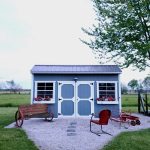
A quality paving installation does more than just give you a dry place to walk. It defines the “zones” of your yard. By using different textures or patterns, you can turn a transition area into a feature. For instance, a paved “apron” around the front of a steel shed instantly makes it look like a high-end workshop rather than just a tin box in a paddock.
The team at All Green Gardening & Landscaping knows that in the Sydney climate, drainage is everything. A pro-grade paving job includes the right sub-base and the correct “fall” so that when the next big rain hits, the water doesn’t pool against your shed walls or run back toward the house. It’s that invisible engineering that keeps your property value high.
Making a Small Yard Feel Massive
If you’re working with a smaller suburban block, every centimetre counts. The biggest mistake you can make is “cluttering” the ground with different levels and random garden beds. To maximise space, you want to create long, clean lines.
- Go Large with Pavers: Using larger format pavers can actually make a small area look bigger. Fewer grout lines mean less visual “noise,” creating a sleek, expansive feel.
- The Seamless Look: If you can match your paving installation to the colour of your house’s brickwork or the shed’s Colorbond, the whole yard feels like one cohesive “room” rather than a series of disjointed patches.
- Vertical Thinking: Once the ground is paved and the stumps are gone, you can use vertical elements like trellises or slimline sheds to keep the floor area clear.
Why DIY Paving Usually Ends in Tears
I’ve seen it a thousand times—a homeowner spends a fortune on beautiful stone pavers but tries to save a few bucks by laying them over sand without a proper base. Three months later, the pavers are “rocking,” weeds are growing through the gaps, and the whole thing looks like a mess.
Professional paving installation is about what you don’t see. It’s the hours spent excavating, the tonnes of road base compacted to within an inch of its life, and the precise edge restraints that stop the whole lot from spreading out over time. When you hire pros, you’re paying for a surface that will still be dead-level in ten years.
Reclaiming the “Dead Zone”
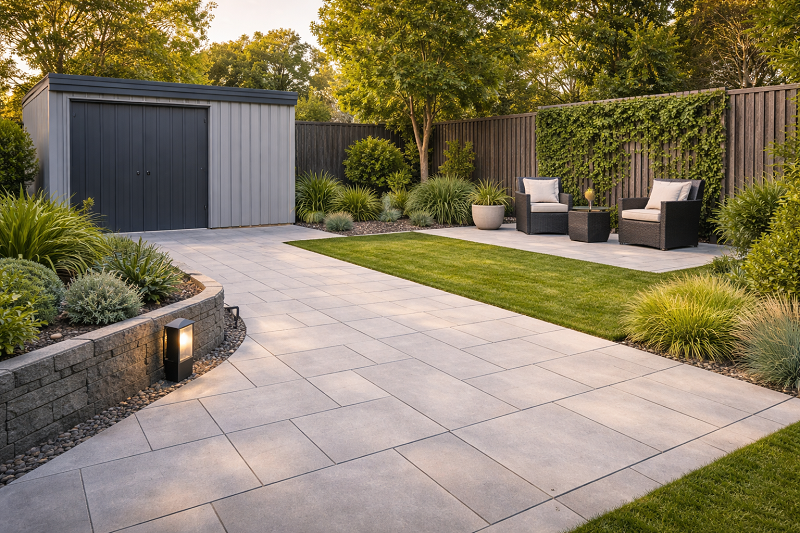
Think about that corner of your yard where the old gum tree stump is currently sitting. Right now, it’s useless. But imagine that stump is gone—cleared out by stump grind services—and in its place is a neat, paved area with a couple of chairs or a dedicated spot for your BBQ.
You haven’t just “cleaned up”; you’ve added an extra room to your home. In a world where we’re all spending more time at home, that extra bit of livable outdoor space is exactly what buyers are looking for. It’s a lifestyle upgrade that pays for itself.
The Maintenance Factor
A paved yard is a low-maintenance yard. If you’re tired of spending your entire Saturday morning mowing, weeding, and whipper-snipping around tree stumps, paving is your ticket to freedom. A quick sweep or a wash with the hose, and a paved area looks as good as the day it was laid.
For the best results, make sure you’re getting the right advice on sealing. A good sealer protects your paving installation from oil spills, bird droppings, and the harsh Aussie sun, keeping the colours vibrant for years.
The Verdict
Maximising your backyard space isn’t rocket science, but it does require a bit of muscle and the right gear. By clearing out the old obstacles with stump grind services and laying down a solid, professional surface, you turn a “backyard” into an “outdoor living area.”
Whether it’s the heavy-duty grinding expertise of The Yard or the refined finishing of All Green Gardening & Landscaping, getting the experts in is the fastest way to add value to your property. Don’t let your yard go to waste—start planning your layout today and reclaim your space.
Common questions we hear from Australian businesses
How do I know if my yard needs more paving or just better layout?
Usually, if people are creating the same muddy “desire line,” you need a deliberate path or landing zone, not more paving everywhere. A practical next step is to mark the top two routes with temporary stakes or chalk after rain and see where the ground fails. In many Australian suburbs with clay-heavy soil, waterlogging can exaggerate wear along these routes.
Is paving always better than decking for maximising usable space?
It depends on sun exposure, height changes, and how you want the area to feel underfoot. A practical next step is to decide what matters more—cooler surface temperatures, a flush threshold, or the ability to manage a slope without a lot of excavation. In most cases in Australia, summer heat and wet-season algae in shaded areas are worth factoring into the surface choice.
What’s the biggest risk if I rush the paving installation process?
In most cases, the risk is uneven settling, pooling water, or edges drifting—issues that quietly reduce usability and create ongoing maintenance. A practical next step is to confirm the base depth, compaction approach, and drainage fall before any pavers go down. In many Australian properties, reactive soils and heavy downpours make these “invisible” details especially important.
Can I stage the project to spread cost without making a mess of the final design?
Usually, yes—if you stage around access and drainage rather than around “pretty parts” first. A practical next step is to plan a final layout map now, then sequence work so early stages don’t block later machinery access or require rework. In most cases around Australian metro homes, side access width and storage space for materials will shape the smartest staging order.