5 Cost-Effective Ways to Weatherproof and Upgrade Your Farm Shed
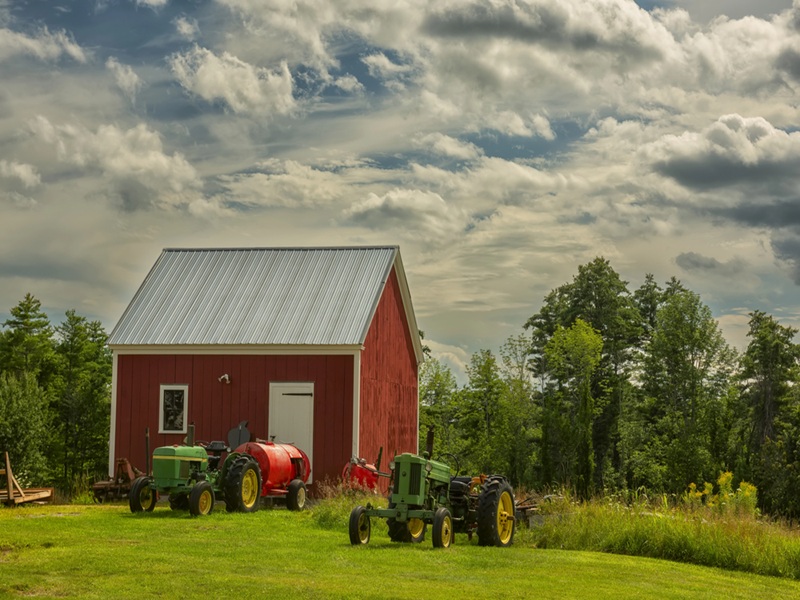
Australian farmers face some of the harshest agricultural conditions on the planet. From blistering summer heat and sudden torrential downpours driven by La Niña cycles to cyclical mouse plagues, the elements pose a constant threat to expensive equipment and stored feed. Recent industry surveys show that the average Australian grain grower invests hundreds of dollars per hectare in machinery and repairs alone. Protecting these high-value assets is not just about convenience; it is an absolute financial necessity. Properly weatherproofing and upgrading a farm storage facility is the most effective way to prevent rapid depreciation, extensive rust, and total crop ruin.
Smart Budgeting for Structural Assets
Building a reliable storage facility requires strategic financial planning. One of the smartest approaches is to allocate funds carefully between the primary structure and the necessary aftermarket accessories. By opting for durable yet cheap farm sheds, primary producers can free up vital capital to invest in long-term functional upgrades. The money saved on the initial steel structure can then be redirected into essential climate control and pest prevention systems. This strategic budgeting ensures the building offers superior protection for decades to come, rather than just providing a basic roof over your head that leaves machinery exposed to temperature fluctuations.
Combating the Costly Threat of Pests
Vermin pose a massive economic and structural threat to rural infrastructure across the country. A severe infestation can devastate stored grain, ruin expensive tractor wiring harnesses, and damage the structural integrity of a building in a matter of weeks. As documented by the Queensland Government, a sudden surge in mouse populations often results in rodents destroying insulation, contaminating animal feed, and chewing through other critical building materials. This devastating capacity for destruction makes a fully sealed facility absolutely essential for secure, long-term farm storage during the inevitable boom and bust cycles of rural agriculture.
To protect your agricultural investments from this persistent threat, it is critical to invest in quality base seals and structural barriers from the moment the concrete slab is poured. You can learn the exact steps and product recommendations to secure your structure from top to bottom in this comprehensive guide on how to vermin-proof your steel shed. Taking these proactive steps before winter sets in will keep native wildlife and invasive rodents out of your machinery cabs, grain silos, and valuable seed reserves.
5 Practical Upgrades to Protect Your Gear
Upgrading an agricultural building does not have to break the bank. Whether you are retrofitting an older structure or planning a completely new build, here are five highly effective modifications you can add to secure your assets:
- Reflective Foil Insulation: Installing industry-standard reflective foil blankets with thermal ratings between R1 and R2 is highly recommended. This layer bounces radiant heat away and helps regulate extreme internal temperatures during the height of summer.
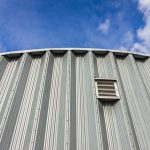
- Active Roof Ventilation: Insulation merely slows heat transfer, which is why agricultural engineers recommend pairing it with roof ventilators to create active airflow. This consistent airflow eradicates the trapped moisture and condensation that typically causes agricultural businesses to lose significant equipment value to rust annually.
- Vermin Base Seals: Fitting specialised base seals around the perimeter of the slab prevents rodents, snakes, and frogs from entering through the ribbed profile of the exterior steel sheeting.
- Heavy-Duty Weather Stripping: Roller doors are notorious for letting in drafts, dust, and driving rain during severe storms. Adding heavy-duty rubber weather seals to the bottom and sides of your doors provides an immediate, low-cost barrier against extreme weather events.
- Ridge Capping Seals: Fitting foam or mesh seals under the roof ridge capping prevents embers, birds, and driving rain from entering the upper roof space. This is an especially important modification for properties located in bushfire-prone areas across the country.
Maximising Your Return on Investment
Beyond the physical protection of machinery and feed, upgrading your rural infrastructure offers significant financial incentives. In recent years, the Australian Government has provided beneficial tax rules for primary producers, including immediate deductions on capital expenses for specific fodder storage assets. When you combine these tax benefits with the money saved by purchasing cost-effective base structures, outfitting your shed with premium insulation and pest control becomes a highly viable financial strategy.
Ultimately, taking a proactive approach to weatherproofing pays for itself many times over. A dry, secure, and pest-free environment minimises machinery maintenance costs, prevents costly crop spoilage, and ensures that your farming operations run smoothly regardless of what the harsh Australian climate throws your way.