Keeping Rats Out of Your Roof Space: A Customer’s Experience with Perforated Retroseal Houseseal
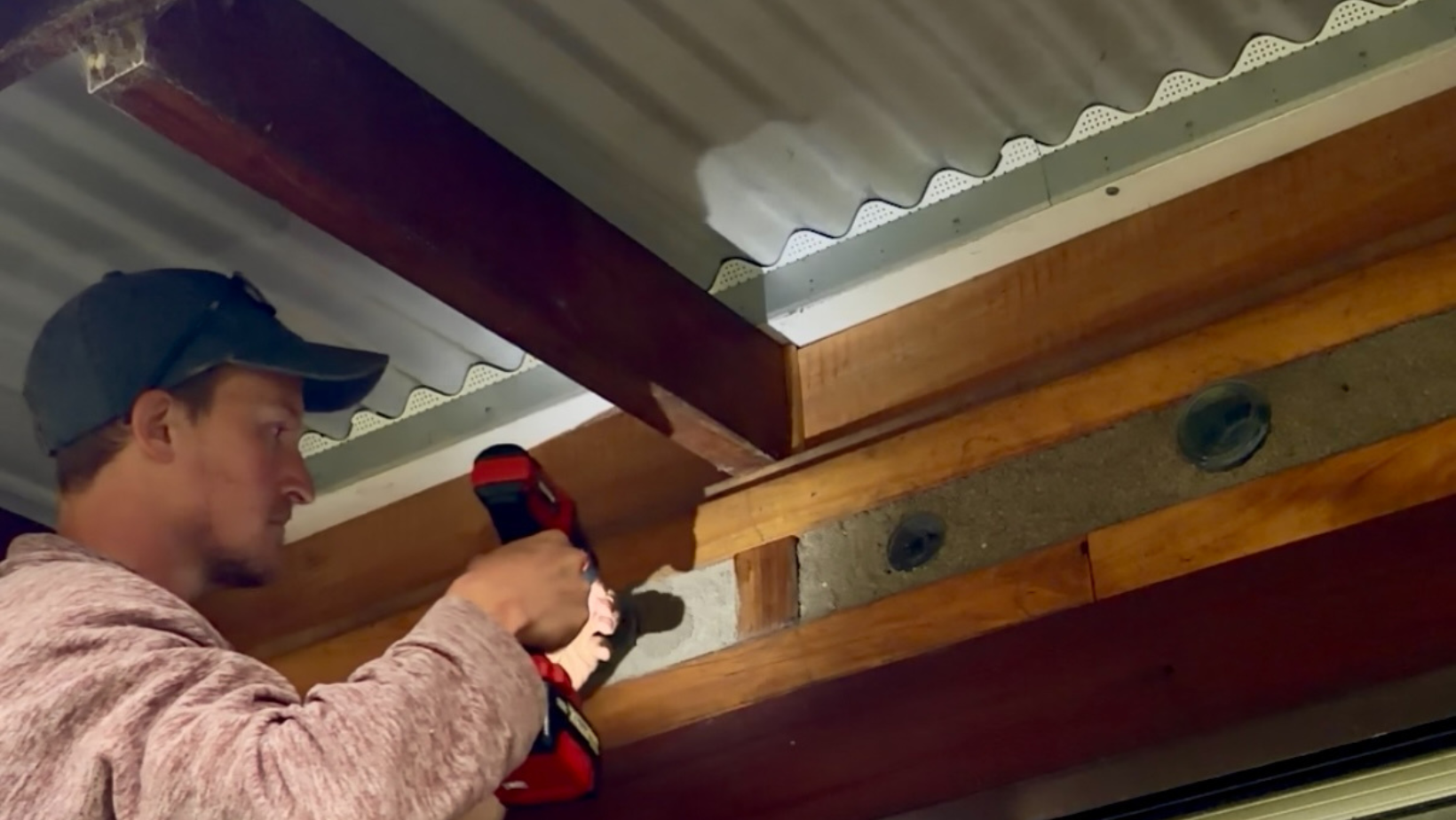
Gaps around corrugated roofing can provide an easy entry point for rats, mice and other unwanted visitors into your roof cavity. While there are several ways to tackle the problem, finding a solution that offers a neat finish, allows ventilation and helps keep vermin out can make a big difference.
For ShedBlog customer Jarieus, the Perforated Retroseal Houseseal proved to be a solid option after trying other methods that didn’t hold up.
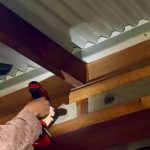
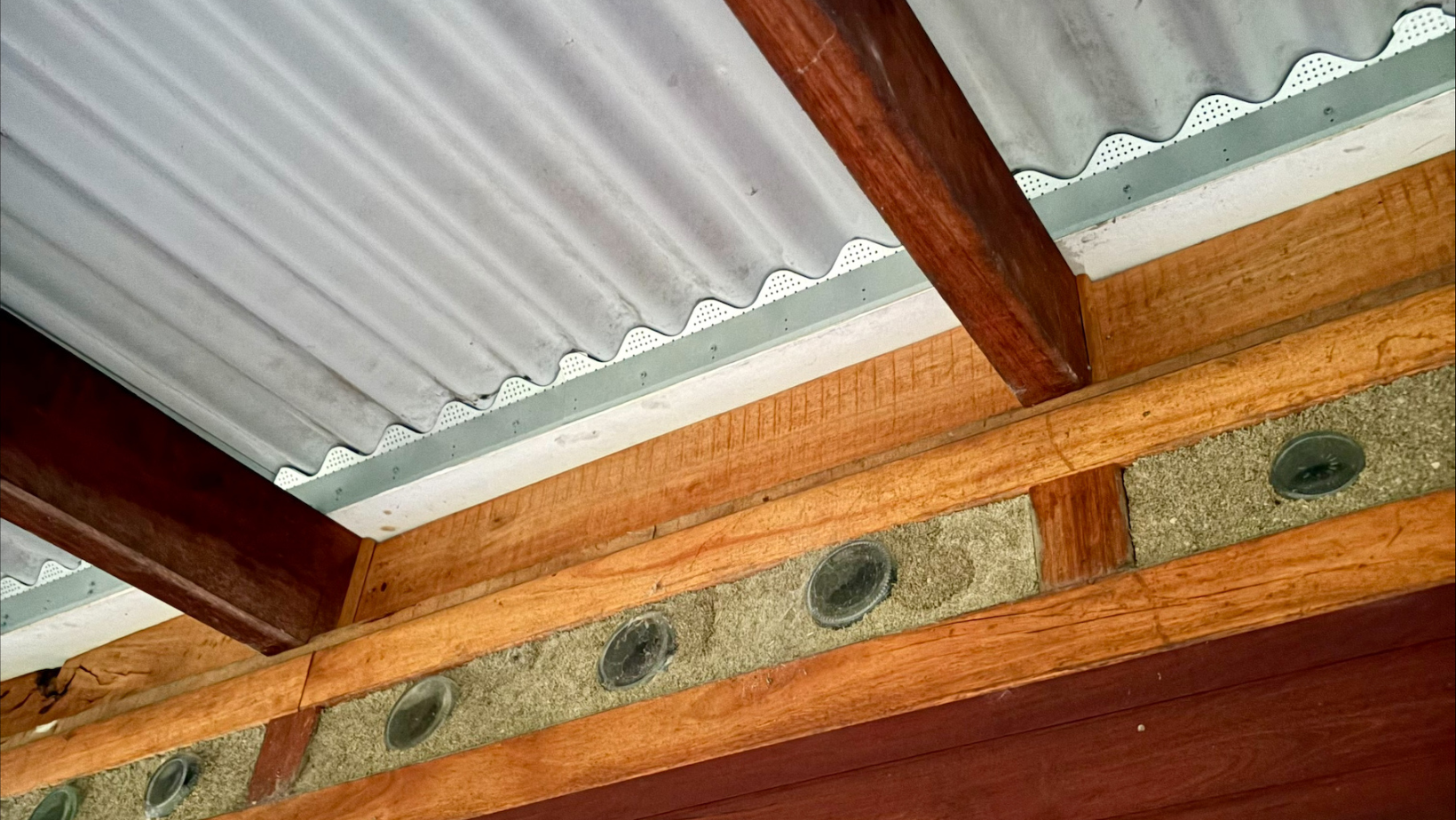
Jarieus shared his experience with us, including photos taken during installation and a review explaining why he recommends the product to others dealing with similar roof gaps.
Why Jarieus Chose Perforated Retroseal Houseseal
Before using Retroseal Houseseal, Jarieus had already tried foam closure strips purchased from Bunnings. Unfortunately, they only lasted a few months before rats chewed through them and gained access to his roof space.
He also considered common alternatives such as expanding foam and steel wool, but each came with drawbacks.
As Jarieus explained in his review:
“I rate this product as really good. If you have gaps into roof cavity due to corrugated roofing and don’t want pesky vermin entering then this is a solid product.”
His experience highlights a common problem for homeowners: closing the gaps is one thing, but choosing a solution that holds up against persistent pests is just as important.
A Practical Alternative to Expanding Foam and Steel Wool
When it comes to blocking gaps around roofing, not every solution offers the same benefits.
Jarieus shared his thoughts on the alternatives he had considered:
- Expanding foam: He felt it didn’t provide the neat appearance he wanted and was concerned that rats could chew through it.
- Steel wool: Filling every gap individually can be time-consuming, and handling the material can be uncomfortable on the hands.
- Foam closure strips: His previous strips lasted only a few months before rats chewed through them.
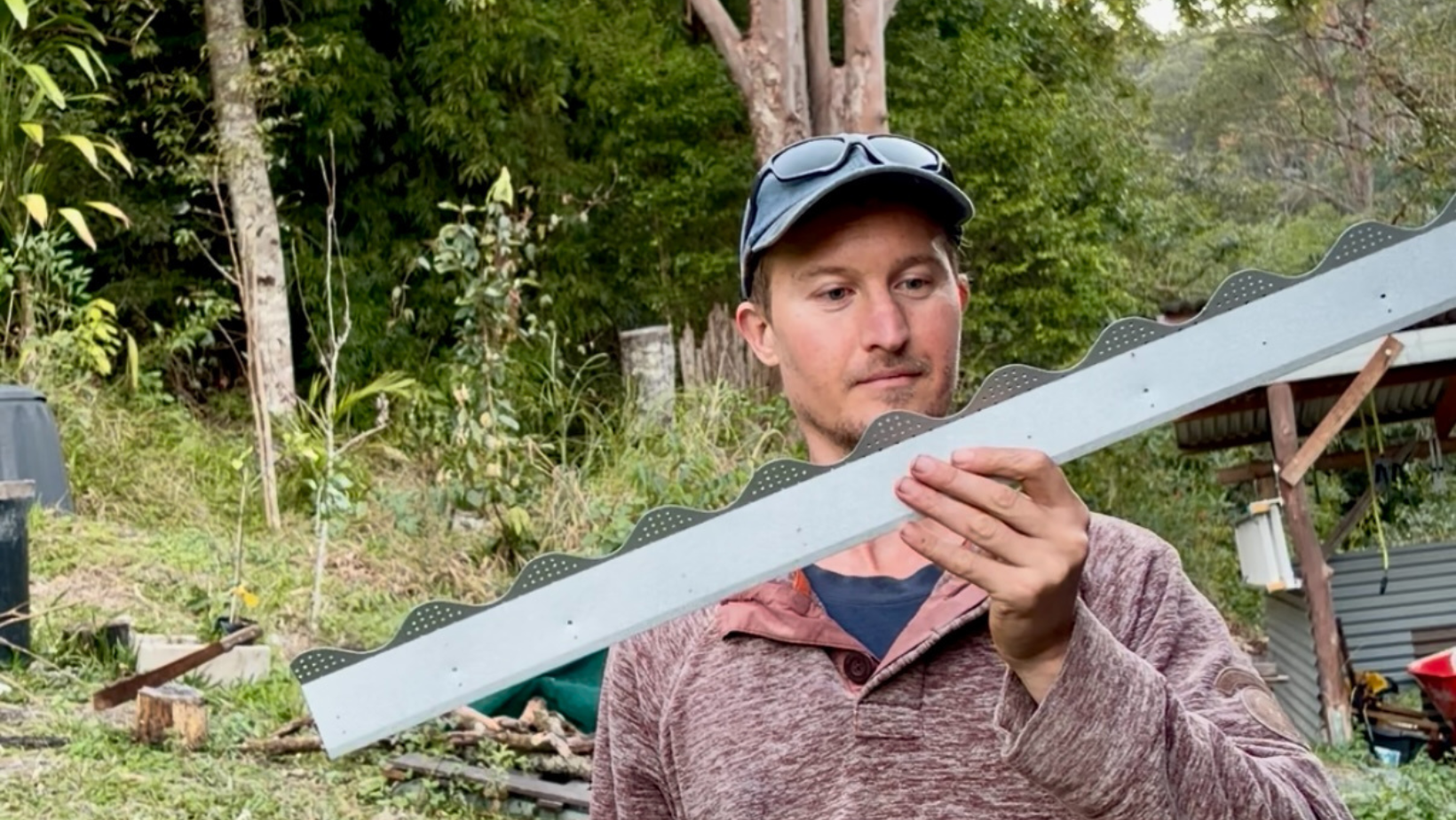
By comparison, Perforated Retroseal Houseseal provides a rigid metal barrier designed to fit compatible corrugated roof profiles. It helps keep birds, mice and other vermin out of the roof space while allowing ventilation through its perforations.
For homeowners looking for a more durable alternative to the methods above, it is worth considering a purpose-designed metal seal.
Installation Insight: Every Roof Is a Little Different
One of the most useful parts of Jarieus’s feedback was his honest account of the installation process.
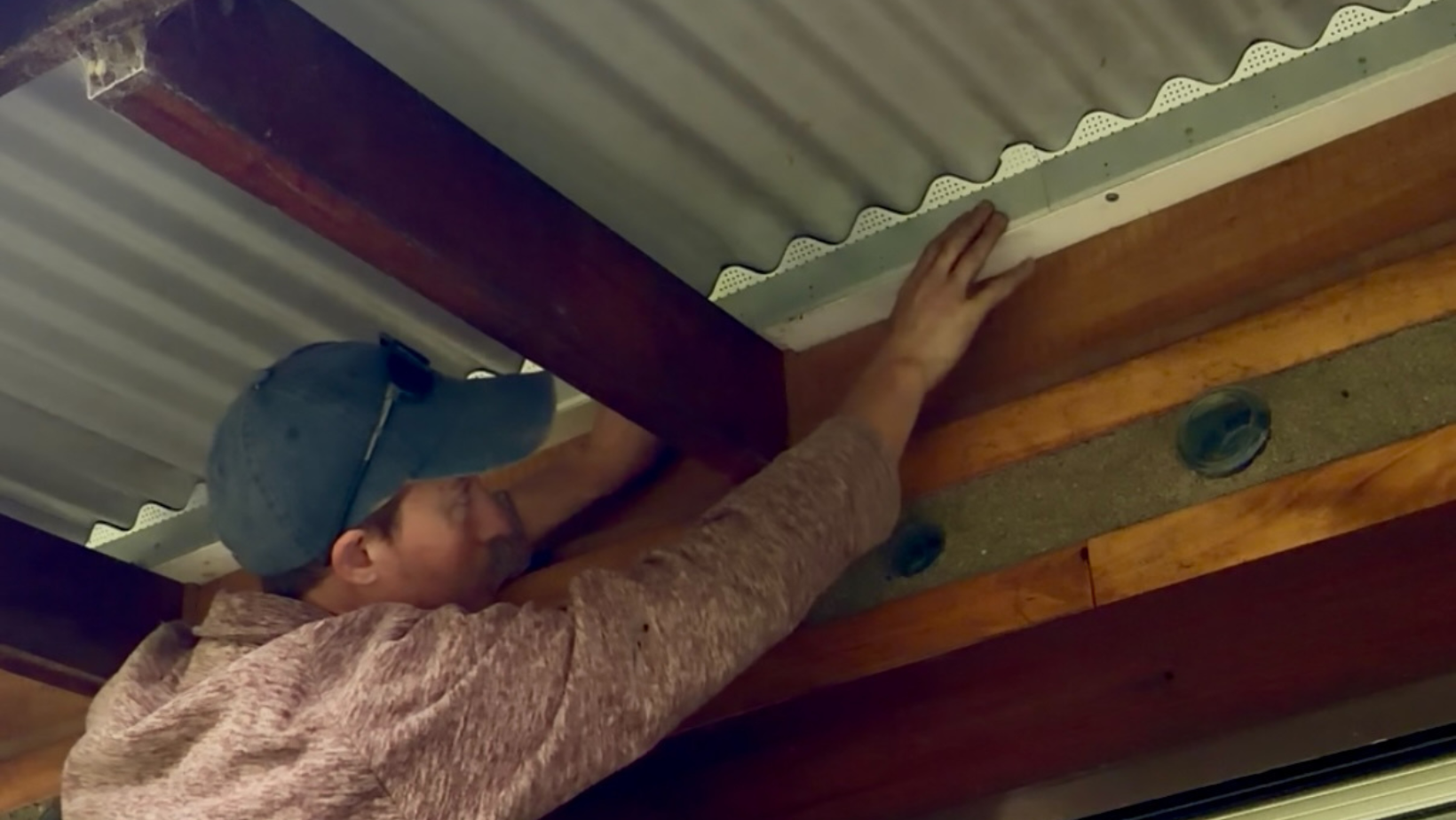
Although he was happy with the product, he found that some sections needed extra attention because the corrugated sheets did not line up perfectly.
He explained:
“No roof will be perfect due to sheet overlaps so you may have to cut pieces (tin snips worked well).”
Jarieus had to snip some sections in half and adjust the angle of the seal to accommodate the gaps created by overlapping sheets.
This is an important point for anyone planning to install profiled metal seals. Even when you select the correct product for your roofing profile, variations in sheet alignment, overlaps and installation can affect the fit.
Taking the time to make small adjustments can help the seal sit more neatly against the roofing.
A few tips for a better fit
When installing Retroseal Houseseal, keep these practical points in mind:
- Check your roof profile. Make sure you select the version designed for your corrugated roofing and the way it will be fixed.
- Pay attention to sheet overlaps. Start near an overlap where possible, as this can help you manage any variation in the sheeting.
- Allow for adjustments. You may need to cut or reposition sections to help the seal follow the roof profile correctly.
- Use suitable cutting tools. He found tin snips useful for adjusting sections during his installation.
- Check for remaining gaps. Inspect the finished installation and address any larger gaps where necessary.
For more detailed guidance, read our installation instructions before starting your project.
Why Choose Perforated Retroseal Houseseal?
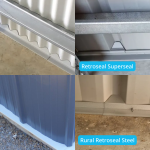
The Perforated Retroseal Houseseal is designed for use on steel and timber fascias on homes and brick garages with steel roofs. It can also be used under eaves, verandas and patios where the roof sheeting continues into the main building’s roof space.
Its key benefits include:
- Helps keep vermin out: Creates a barrier against birds, mice and other unwanted pests entering through roof gaps.
- Allows ventilation: The perforated design allows air to pass through while helping protect the roof cavity from vermin.
- Rigid metal construction: Provides a purpose-designed alternative to soft foam closure strips.
- Suitable for compatible corrugated profiles: Available in options to suit different installation requirements.
- Helps deter ember entry: Retroseal Houseseal is also designed to help deter sparks and burning embers from entering the roof space.
As with any profiled seal, the final fit depends on the roofing profile, sheet alignment and quality of installation. Careful fitting and attention to remaining gaps are important for the best result.
See the Product in Action
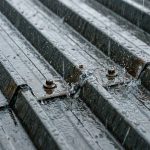
Jarieus kindly shared photos of his installation with us, giving other customers a practical look at the product and the adjustments that may be needed when working with real-world roofing.
His feedback is a helpful reminder that installing a roof seal isn’t always a matter of simply placing each piece into position. Small cuts and adjustments may be needed to account for sheet overlaps and variations.
Most importantly, his experience shows why it pays to look beyond a quick fix when dealing with persistent vermin problems.
Ready to Seal Those Roof Gaps?
If rats or mice are finding their way into your roof cavity through gaps around corrugated roofing, Perforated Retroseal Houseseal may be worth considering.
Learn more about the product, check the available options and choose the version suited to your installation.
Have questions about which version you need? Contact the ShedBlog team for help choosing a suitable option for your roof.