Which Shed Bottom Seal Is Right for You? A Guide to Choosing the Best Seal for Your Cladding
Gaps between your shed’s wall cladding and concrete slab might seem like a small problem, but they can allow pests, moisture, dirt and debris to enter. Over time, unwanted moisture can also contribute to corrosion around the bottom of your cladding and concrete slab.
The good news is that there are several ways to seal these gaps, whether you’re upgrading an existing shed or building a new one.
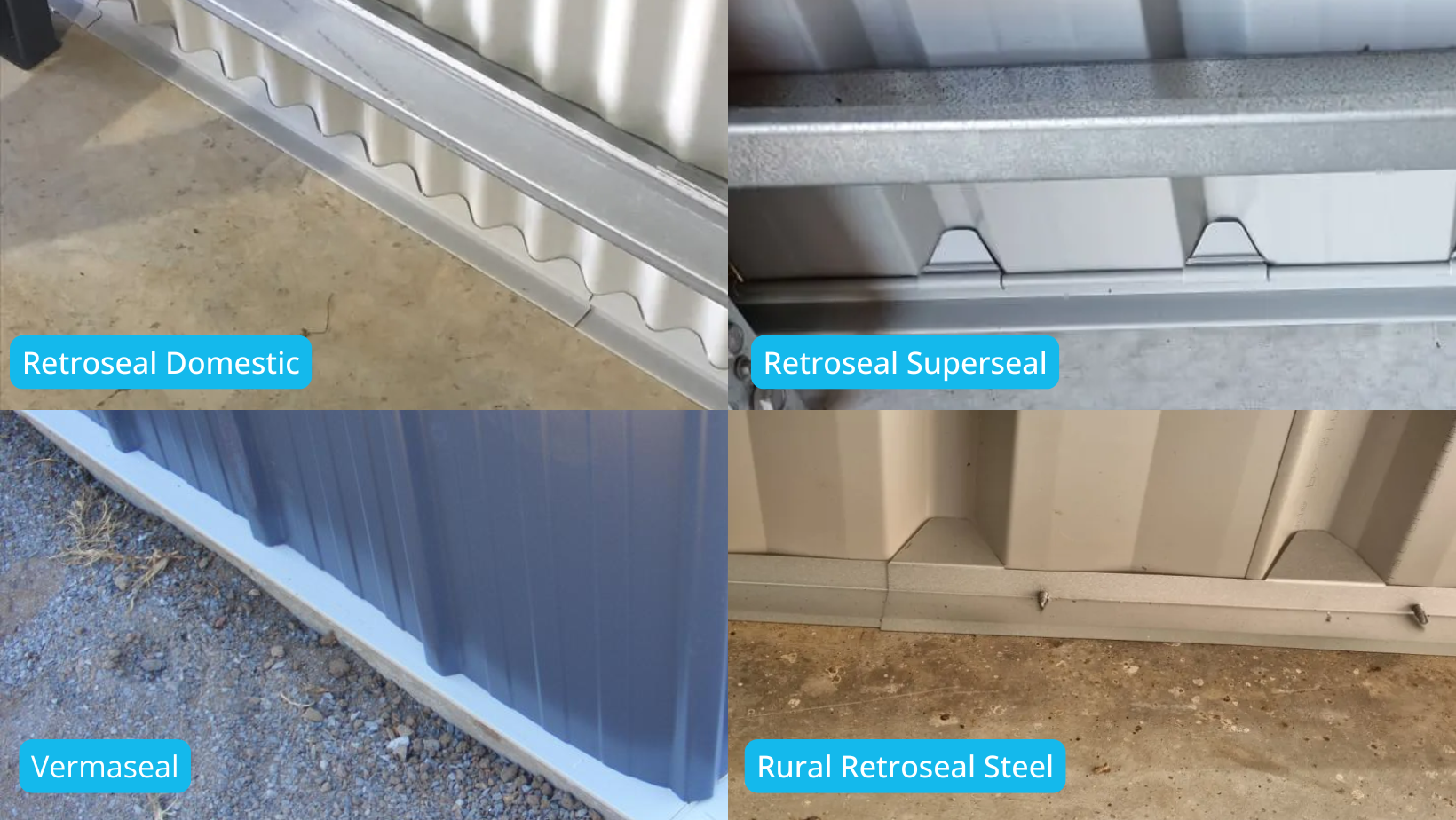
At ShedBlog, we offer multiple bottom sealing solutions to suit different cladding profiles, installation requirements and shed environments: Retroseal Domestic, Retroseal Superseal, Vermaseal and Rural Retroseal Steel are just 4 of them
But which one is right for you?
Let’s look at the differences to help you choose the best seal for your shed.
Why Is Sealing the Bottom of Your Shed Important?
The bottom edge of your shed’s wall cladding is one of the areas where unwanted gaps can form. Depending on the cladding profile, slab level and installation, these gaps may provide an entry point for mice, insects and other pests.
Leaving gaps unsealed can also allow wind-driven rain, dust and debris to get underneath your wall sheets.
A suitable bottom seal helps close these gaps and provides a cleaner finish where your cladding meets the concrete slab. It can also help reduce pest entry and minimise moisture-related issues around the base of your shed.
However, not every seal suits every shed. The right option depends on your wall sheet profile, whether the shed is already built and the conditions it will be exposed to.
1. Retroseal Domestic: Best for Existing Sheds with Corrugated Cladding
Already have a shed with corrugated wall sheets? Retroseal Domestic could be the solution you’re looking for.
Retroseal Domestic is designed to retrofit to existing sheds with corrugated wall sheeting. It’s a practical option for shed owners who want to address gaps at the bottom of their cladding without rebuilding their shed.
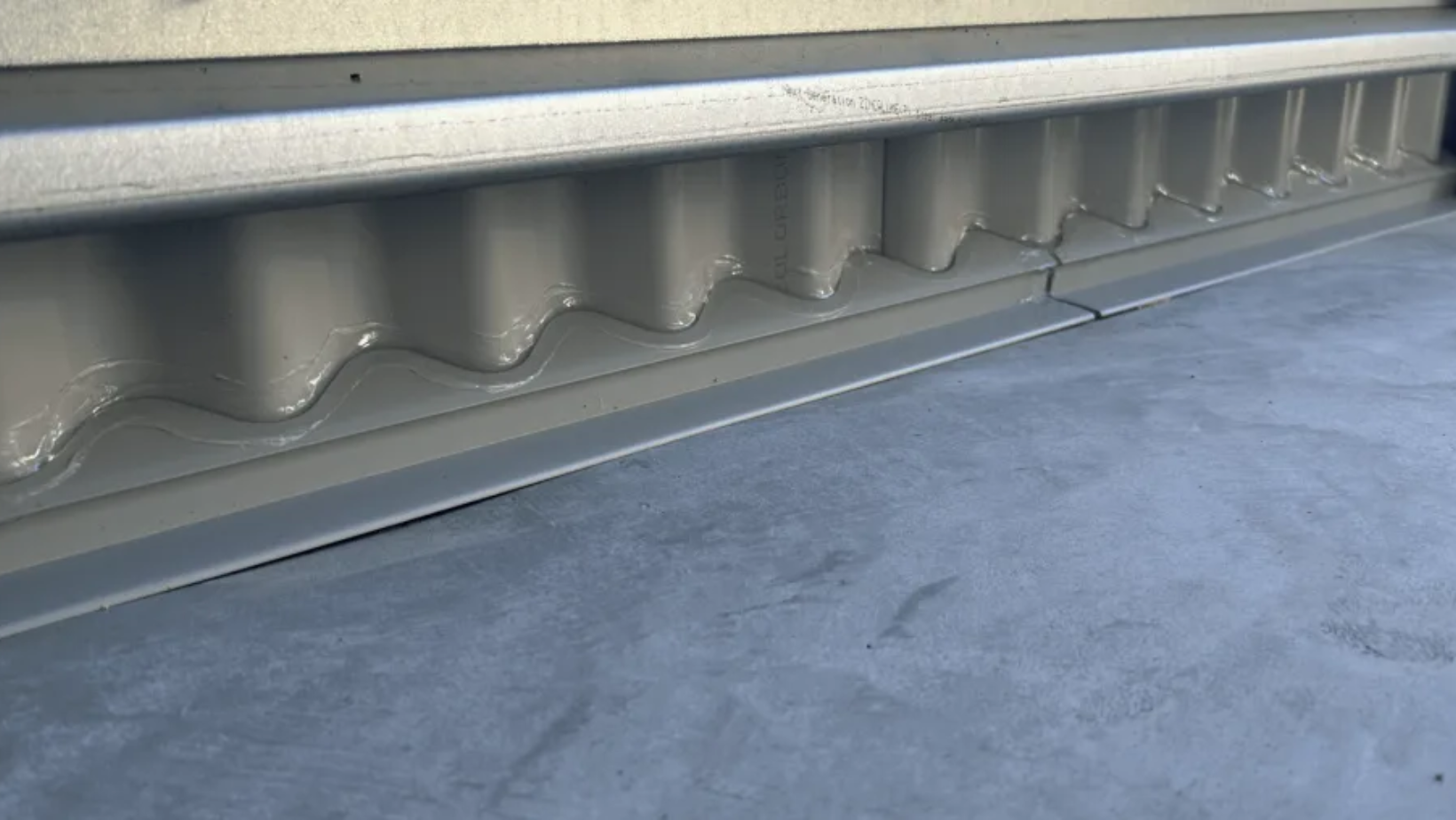
Made from durable, UV-resistant PVC, Retroseal Domestic is designed to help seal bottom gaps and reduce the entry of pests, moisture and debris.
Why choose Retroseal Domestic?
- Ideal for existing sheds: Suitable for retrofitting to sheds that have already been built.
- Designed for corrugated profiles: Helps close gaps beneath compatible corrugated wall sheets.
- Durable PVC construction: UV-resistant material suited to outdoor conditions.
- Helps protect the shed base: Reduces unwanted entry points and helps minimise moisture-related problems around the bottom of the cladding.
Best suited to: Shed owners who have an existing shed with corrugated or Custom Orb-style wall cladding and want to seal the bottom gaps.
Before ordering, check that the seal profile matches your wall sheeting. Getting the correct profile is essential for achieving a good fit.
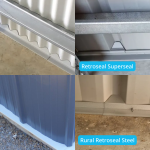
2. Retroseal Superseal: Best for High-Profile Wall Sheeting
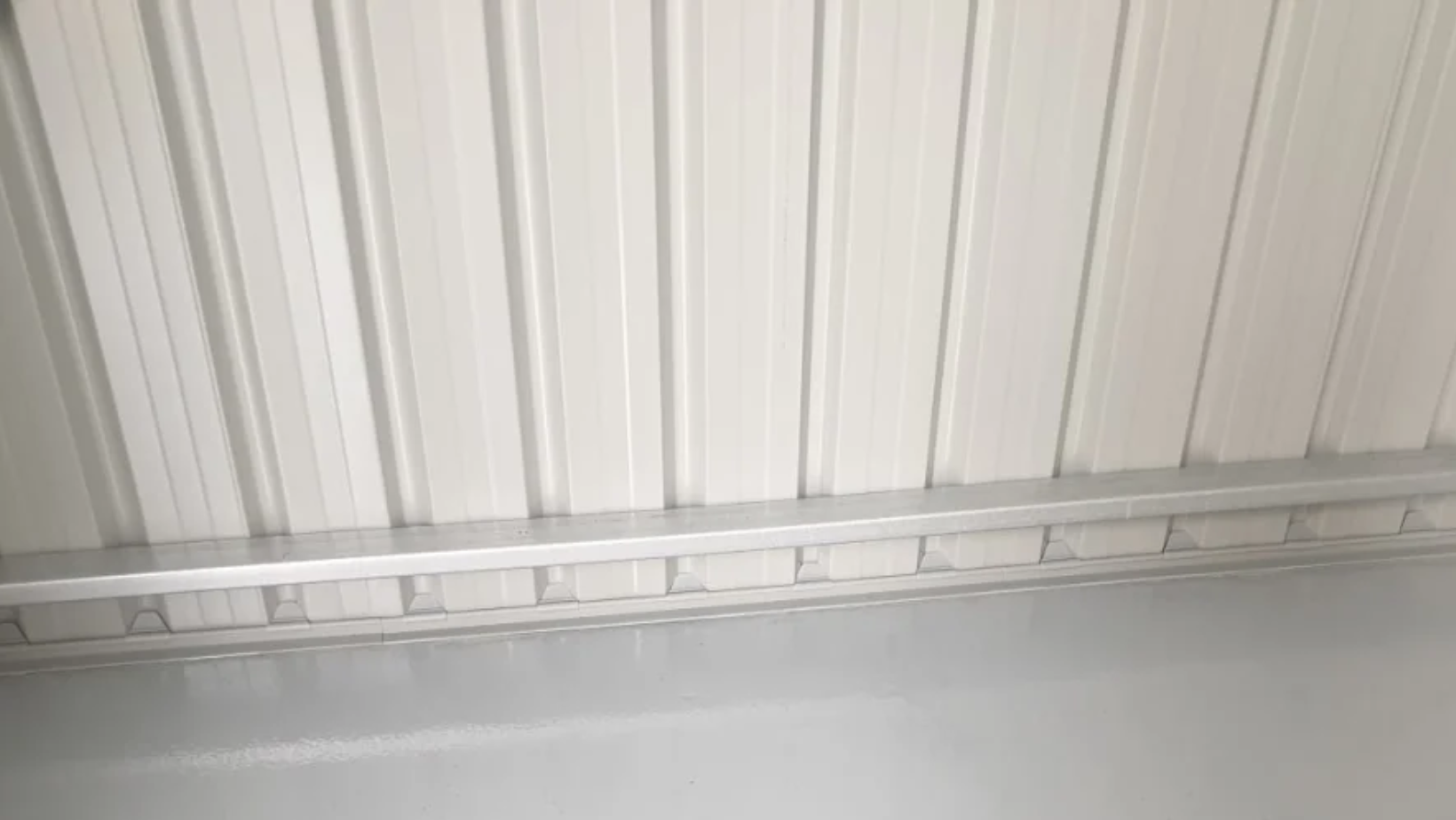
If your shed has high-profile wall cladding, such as Trimdek or Monoclad, Retroseal Superseal may be the better option.
Retroseal Superseal is specifically moulded for compatible high-profile wall sheeting. It helps create a neat, close-fitting seal between the bottom of the wall sheets and the concrete slab.
Like Retroseal Domestic, Superseal is made from durable, UV-resistant PVC. It’s suitable for use on existing sheds and can also be considered during new shed construction.
Why choose Retroseal Superseal?
- Designed for a wider range of cladding profiles: Retroseal Superseal suits a variety of high- and low-profile wall claddings, including Trimdek, Monoclad, Multiclad, K-Panel and Metroclad. Its small tabs allow it to fit compatible low-profile claddings, making it a versatile option for a range of shed profiles.
- Suitable for retrofits: Helps address gaps underneath wall sheets on existing sheds.
- Useful for new builds: Can be incorporated into your shed project with the correct profile and installation method.
- Neat finish: Helps create a cleaner transition between the wall cladding and concrete slab.
Best suited to: Shed owners with compatible high-profile wall sheeting who want to seal gaps at the base of their shed.
One important thing to remember is that wall sheet profiles vary. Don’t assume a seal will fit simply because your cladding looks similar. Check the profile before purchasing to help ensure the correct fit.
3. Vermaseal: Best for New Shed Construction
Planning to build a new shed? Vermaseal is worth considering before construction begins.
Unlike the Retroseal products, which can be used to retrofit suitable existing sheds, Vermaseal must be installed during construction, before the wall cladding is fitted.
It is laid directly onto the concrete slab, allowing the wall sheets to be positioned against the seal as the shed is built.
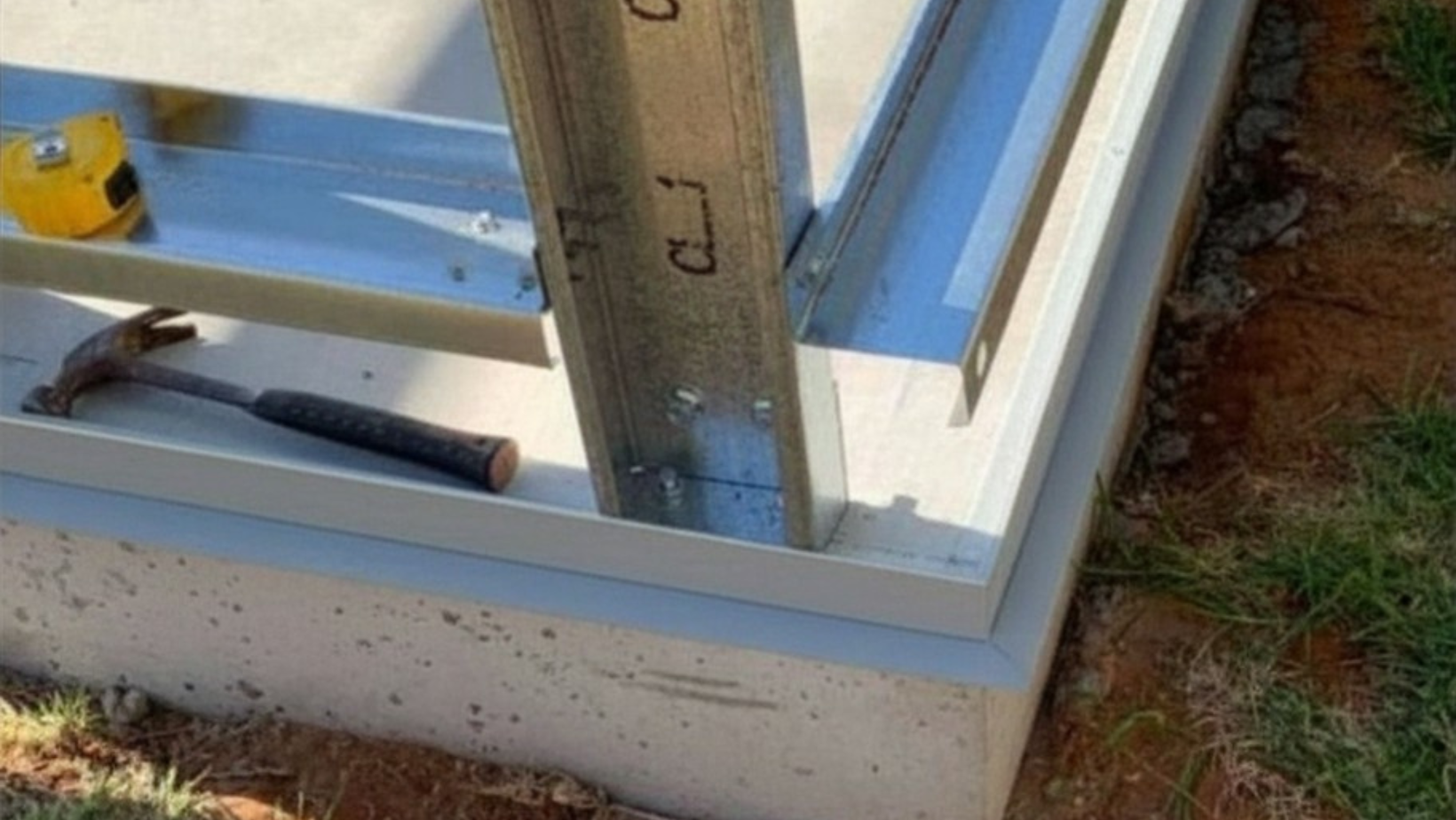
This makes it a useful option for shed owners who want to address the gap at the base of their cladding from the beginning rather than trying to fix it later.
Why choose Vermaseal?
- Installed during construction: Planned into the shed-building process rather than added as a retrofit.
- Laid on the concrete slab: Positioned before the wall cladding is installed.
- Helps with wall sheet alignment: Provides a sealing layer to work against as the sheets are fitted.
- Helps reduce pest entry: Designed to help seal the bottom of the wall cladding against unwanted entry points.
Best suited to: New shed builds where the bottom seal can be installed before the wall sheets go on.
Can you install Vermaseal on an existing shed?
Vermaseal is intended for installation during construction. If your shed is already built and you want to close the gaps underneath the wall cladding, Retroseal Domestic or Retroseal Superseal may be more appropriate, depending on your cladding profile.
The key is to choose a product that suits both your shed and its stage of construction.
4. Rural Retroseal Steel: Best for Larger Farm and Agricultural Sheds
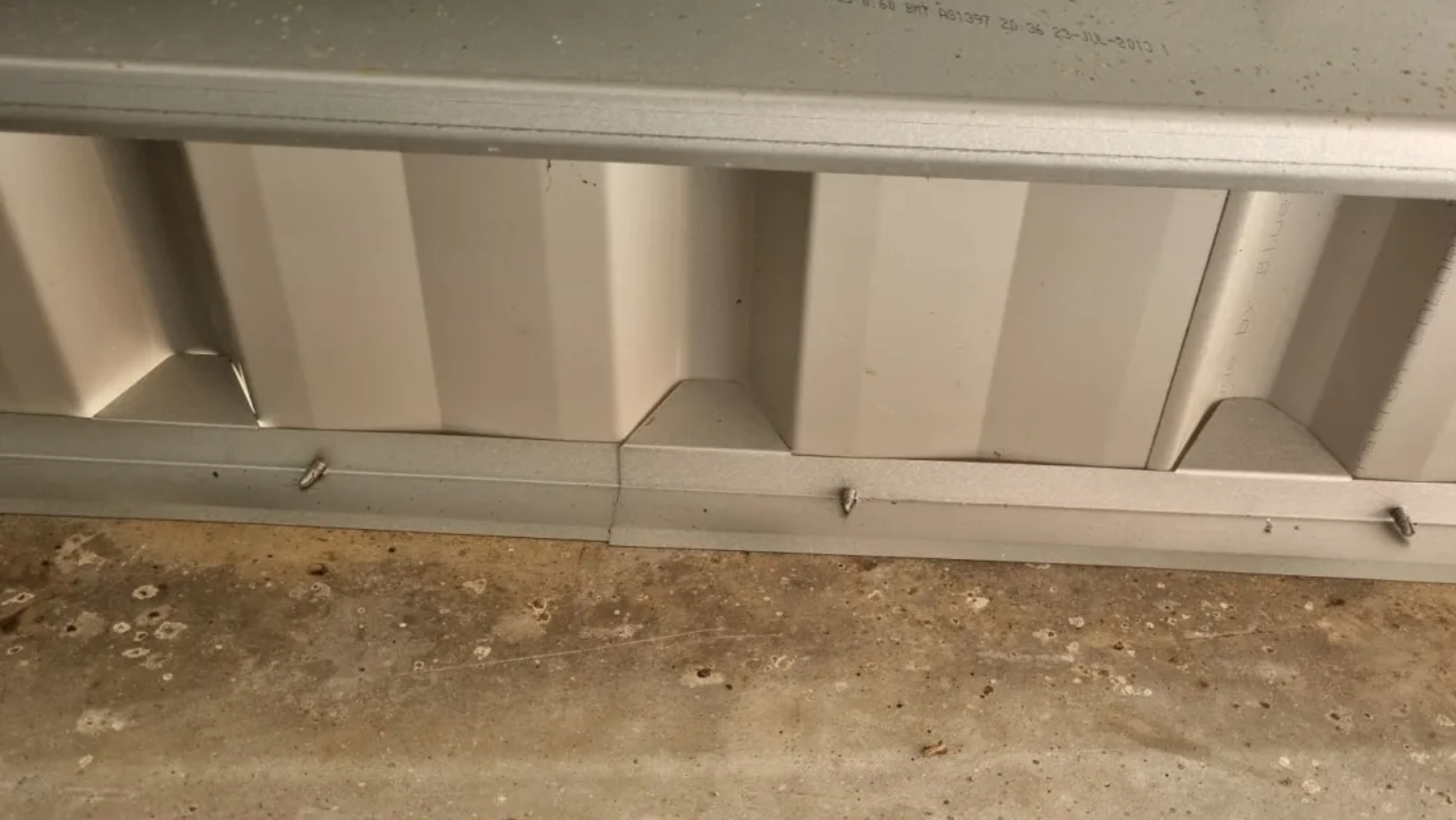
Not every shed has the same requirements. A large farm shed, machinery shed or agricultural building may face tougher conditions than a typical backyard shed.
For these applications, Rural Retroseal Steel offers a heavy-duty steel alternative to PVC bottom seals.
While Retroseal Domestic and Retroseal Superseal are made from durable, UV-resistant PVC, Rural Retroseal Steel is made from steel for applications where a steel sealing solution is preferred.
Why choose Rural Retroseal Steel?
- Steel construction: A heavy-duty alternative to PVC seals.
- Suitable for rural applications: Worth considering for larger farm and agricultural sheds.
- Designed for demanding environments: A practical option to investigate for sheds exposed to tougher working conditions.
- An alternative to PVC: Offers a different material choice for suitable shed applications.
Best suited to: Owners of larger rural, farm or agricultural sheds who want a steel bottom sealing solution.
As with any steel product, make sure the material, finish, compatibility and installation details are suitable for your particular shed and environment.
Which Shed Bottom Seal Should You Choose?
Still unsure? Here’s a quick comparison to help narrow down your options.
| Product | Best application | Material | When to install |
| Retroseal Domestic | Existing sheds with compatible corrugated cladding | UV-resistant PVC | After construction or as part of a new build |
| Retroseal Superseal | Compatible high-profile cladding, such as Trimdek and Monoclad | UV-resistant PVC | After construction or as part of a new build |
| Vermaseal | New shed construction | Check the product specifications | Before wall cladding is installed |
| Rural Retroseal Steel | Larger farm and agricultural sheds | Steel | Confirm the requirements for your particular installation |
Always check the product specifications and compatible cladding profiles before ordering.
3 Things to Check Before Buying a Shed Bottom Seal
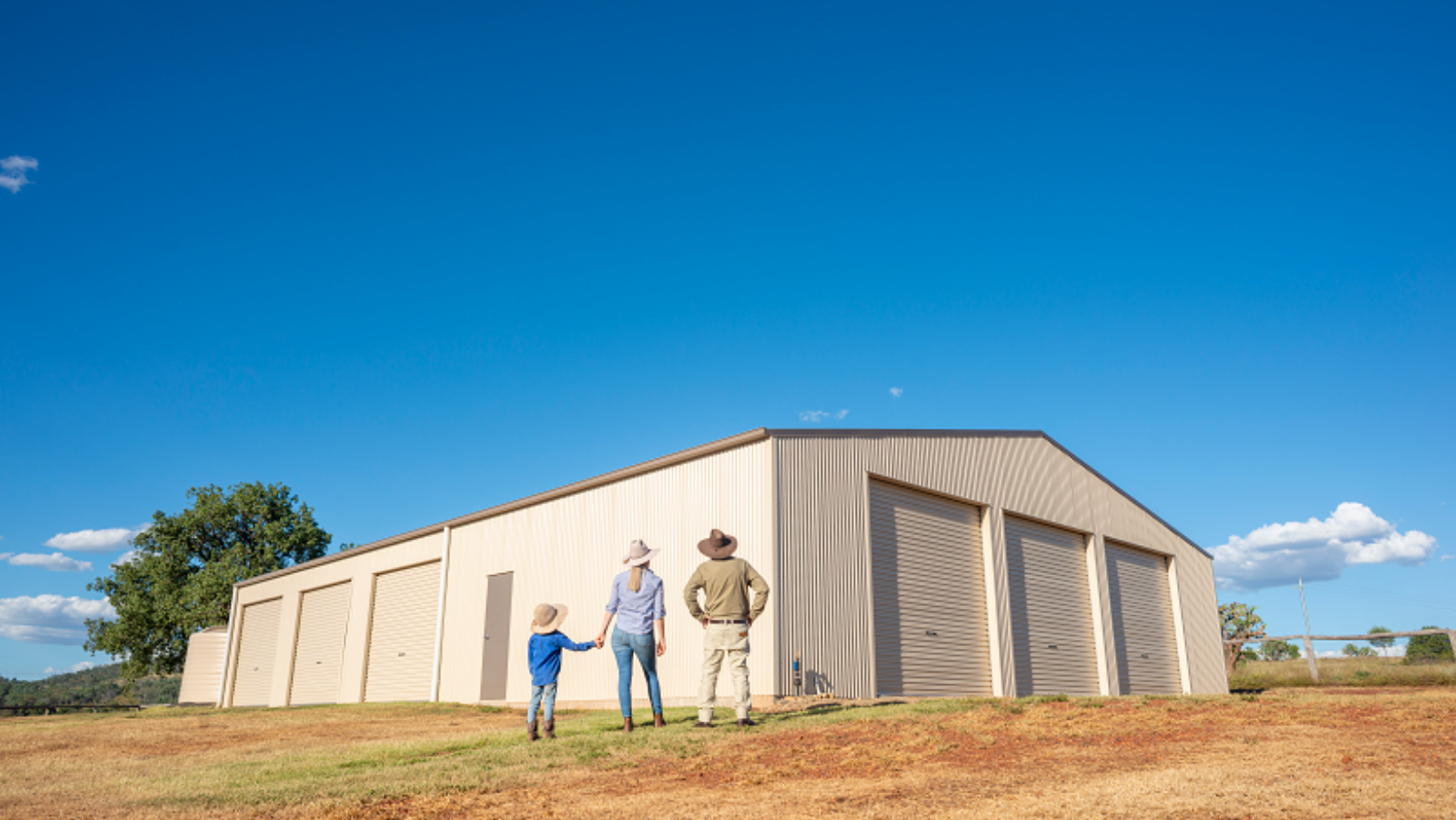
Choosing the right product doesn’t have to be complicated. Start by checking these three things.
1. What Type of Wall Cladding Do You Have?
This is one of the most important considerations. Corrugated profiles and high-profile sheets have different shapes and dimensions, so a seal designed for one profile may not fit another correctly.
Identify your wall cladding profile before choosing a product. If you’re unsure, take a photo of the wall sheet profile and the gap underneath it.
2. Is Your Shed Already Built?
Your shed’s construction stage will help determine which options are suitable.
- Existing shed: Look at Retroseal Domestic or Retroseal Superseal, depending on the wall sheet profile.
- New shed: Consider the suitable Retroseal product for your cladding, or Vermaseal if you want a seal installed before the wall sheets are fitted.
- Larger rural shed: Consider whether Rural Retroseal Steel is appropriate for your application.
Planning ahead is particularly important for Vermaseal, as it needs to be installed during construction.
3. What Conditions Does Your Shed Face?
Consider whether your shed is used for general storage, housing vehicles, storing farm machinery or carrying out agricultural work.
Think about pest entry, exposure to rain and debris, and whether a PVC or steel solution is more appropriate for your circumstances.
Remember that a bottom seal is only one part of protecting your shed. Correct installation, suitable drainage and appropriate maintenance also matter.
Get the Right Fit for Your Shed with ShedBlog
Choosing a shed bottom seal is about more than simply filling a gap. You need a product that suits your cladding profile, installation requirements and the conditions around your shed.
To recap:
- Retroseal Domestic: For existing sheds with compatible corrugated wall cladding.
- Retroseal Superseal: For compatible high-profile wall sheeting, including Trimdek and Monoclad.
- Vermaseal: For new builds where the seal can be installed directly on the slab before the wall sheets go on.
- Rural Retroseal Steel: A heavy-duty steel alternative for suitable rural and agricultural applications.
Not sure which one you need? Visit ShedBlog to explore our range of shed sealing products. If you’re unsure about your cladding profile, send us a photo of the wall sheets and the gap at the bottom. Our team can help you identify the profile and find a suitable sealing option.
Choose the right seal from the start and help keep unwanted pests, moisture and debris out of your shed.