Does Workers Compensation Cover Home Modifications After an Injury?
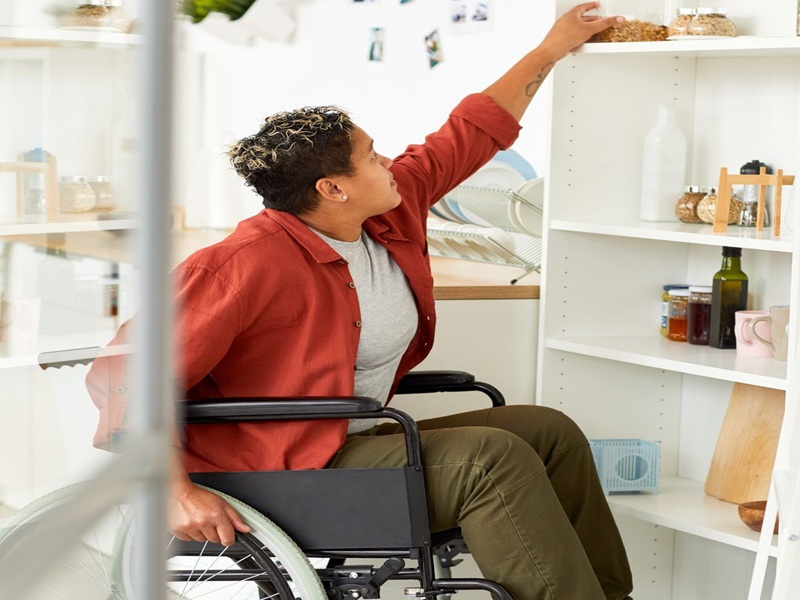
A serious workplace injury goes beyond medical expenses and time off work. When you get home and find that the front steps or standard bathroom no longer suit you, you start to get a sense of the “hidden” costs of getting injured. Where home modifications become necessary to a reasonable quality of life, injured workers and their families often ask whether workers compensation will help pay for home modifications.
In NSW, the short answer is: it can, in the right circumstances. The detail matters, though, so here’s a simple overview of what to know before you start planning.
What the NSW system says
Safe Work Australia’s comparison of workers compensation schemes across Australia lists home and vehicle modifications under “medical and related treatment” in section 59 of the Workers Compensation Act 1987 (NSW). In other words, modifications are treated as a type of treatment-related cost rather than a standalone benefit.
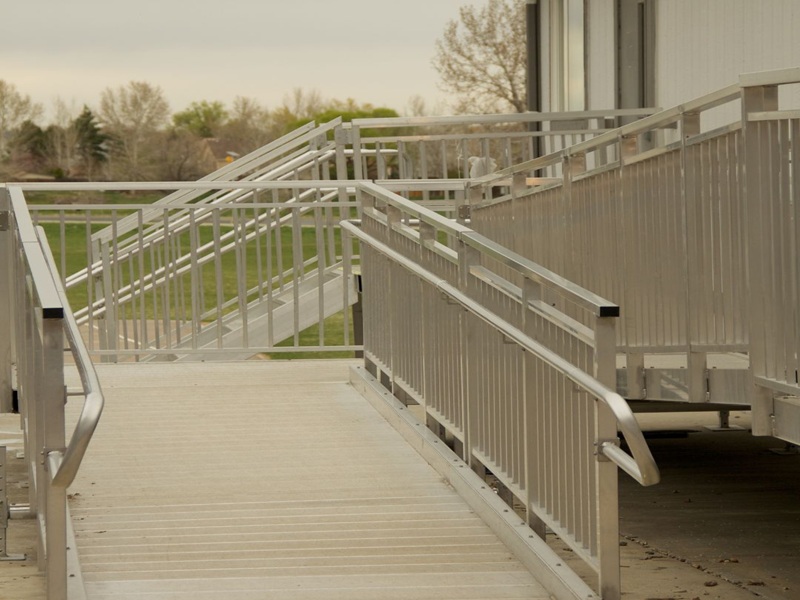
For more serious injuries, icare’s Workers Care Program says its services may include home and vehicle modifications, such as ramps and bathroom rails. icare also says these services must be “reasonably necessary” and connected to your workplace injury.
What kinds of changes are we talking about?
icare’s information on home modifications describes them as changes to the structure, layout or fittings of a home that are needed because of an injury. Its examples include accessible bathrooms and kitchens, widened doors and hallways, and ramps or platform lifts. icare notes that home modifications are available to people with a serious injury or illness at work, as well as those with serious motor accident injuries.
Not every injury will need changes on this scale. Sometimes the right fix is as simple as a handrail or a ramp at the front door. What’s available will all depend on the person, their injury and their home.
What workers compensation isn’t
Workers compensation isn’t a renovation fund. The focus is on changes you need because of your injury, such as getting in and out of your home safely, moving around it, or using the bathroom. It isn’t designed to pay for general upgrades or improvements or “nice-to-haves”.
Before you start
A few sensible steps can save you money and stress:
- Ask first. Safe Work Australia notes that most medical and related expenses in NSW need prior approval. Starting work before the insurer agrees could leave you out of pocket.
- Get expert advice on what you need. Your treating doctor and an occupational therapist are usually the people best placed to recommend what’s practical for your situation.
- Retain evidence. Hold on to quotes, reports, photos and correspondence with the insurer. A clear paper trail makes any later conversation easier.
- Check permissions. If you rent, or share ownership of your home, make sure the owner agrees to any changes before work begins. You may also need to check whether council or strata approvals apply to structural work.
- Use qualified tradespeople. Accessibility work often involves building and safety standards, so it’s worth choosing licensed builders with experience in this area.
It’s not just injuries
Work-related illness can also lead to home modification needs. For example, icare’s Dust Diseases Care program says it may be able to pay for equipment and home modifications, such as handrails or access ramps, for people with a work-related dust disease who have been accepted into the program. This is just one example that demonstrates that the pathway can look different depending on your condition and which program applies to you.
Why it pays to plan ahead
Planning also helps you avoid rushed decisions. Quotes take time, approvals take time, and building work takes time. The earlier the conversation starts, the more options you’re likely to have.
Even if home modifications are not directly covered by your scheme, you may be able to secure funds from a broader workers compensation claim to put towards these modifications regardless. Lump sum claims can apply where your capacity to work has been severely reduced.
If you’re not sure whether you have a claim or not:
Every claim is different. If you’ve had a claim rejected, or you’re unsure what you’re entitled to, it’s worth getting legal advice early.
If you’re in NSW and have questions about workers compensation and home modifications, feel free to contact Whitelaw McDonald Lawyers for free advice.