The Best Way to Move a Shed (And Everything in It)
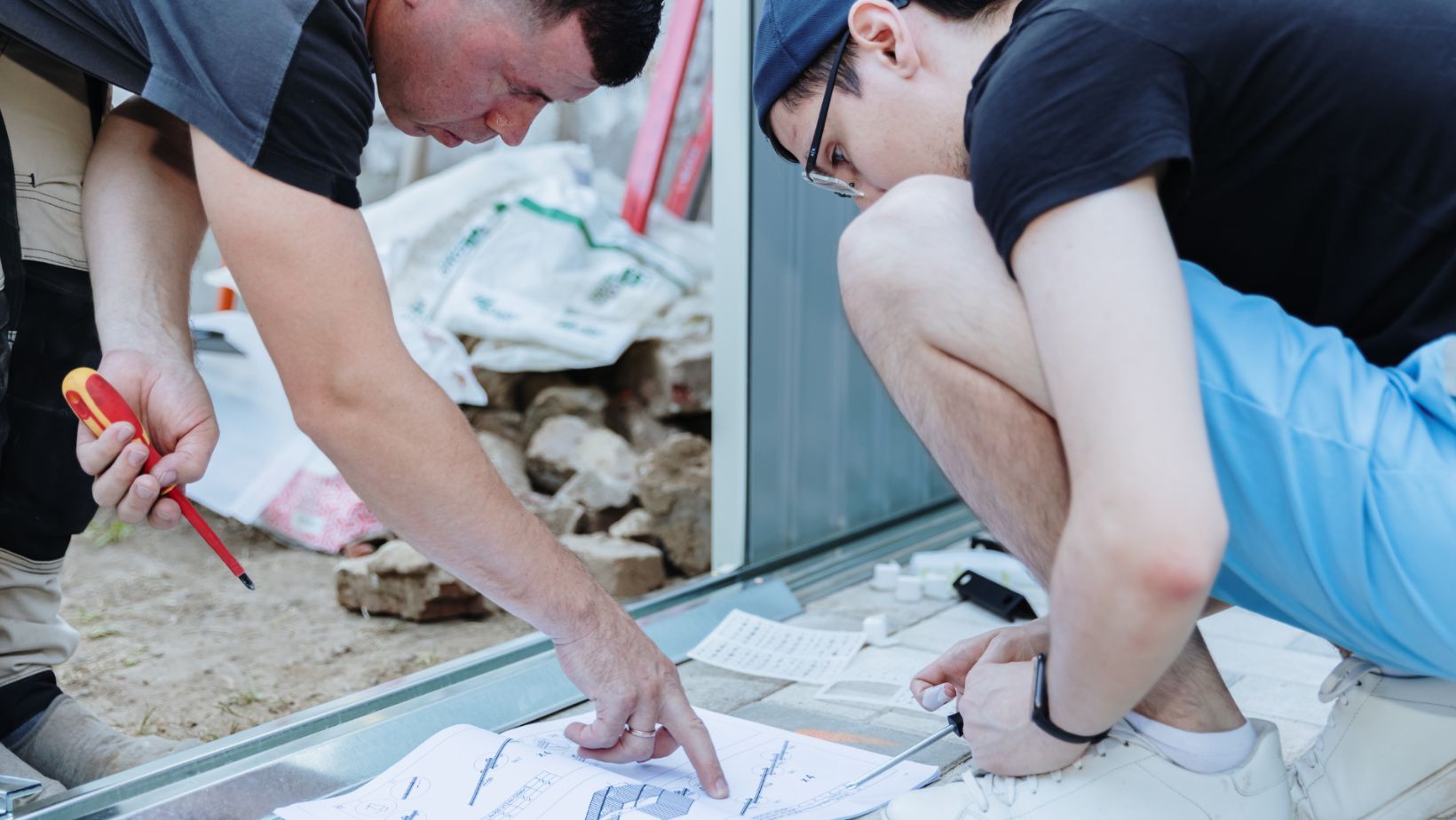
When people move house in Sydney, a lot of them forget about the outdoor shed and everything inside it. At first glance, moving house with a shed sounds easy. In reality, it’s usually packed with collected tools, garden equipment, hazardous materials, and oversized items that don’t fit in standard moving boxes. Knowing the best way to move a shed can save a lot of time, money, and stress on moving day.
This guide covers what to sort, what needs special handling, and when it’s worth asking a removalist for help.
Start with a proper sort-out
The shed is usually where everything ends up that doesn’t have a place inside the house. Before you can think about moving the structure itself, you need to clear and sort everything inside it first.
Pull everything out and lay it across the driveway or lawn so you can actually see what’s there. It’s the best way to make the best decisions.
Sort into three categories: taking it, leaving it, and getting rid of it.
Some of what ends up in the third category won’t be able to go in the regular bin. Old paint, motor oil, garden chemicals, batteries, and pool products are household hazardous waste. Councils have specific drop-off arrangements for them. Check your local council’s website for collection sites or scheduled events. Don’t put them in the bin or pour them down the drain.
The best way to move a garden shed’s contents
Moving things in the shed can be difficult. Not only are some things heavy, but a lot can also be awkward, oversized, or needs preparation before it goes on a truck.
Ride-on mowers, quad bikes, and any fuel-powered equipment need to be drained before transport. Petrol is a fire risk, so most removalists won’t take them. Find out what your removalist’s policy is before moving day, not on it.
Large workshop tools need disassembly and proper padding. Photograph anything complex before you take it apart. Ladders need to be secured flat. Shelving units should be unbolted and wrapped before loading.
Garden pots surprisingly need a lot of preparation too. Terracotta cracks under pressure and breaks other pots if they’re packed together tightly. Large pots are heavy even when they’re dry. Empty garden pots before the move and wrap terracotta individually.
Think about the new shed before you pack
It’s easy to focus entirely on the property you’re leaving and forget to think clearly about the one you’re moving into. If you’re moving the shed structure itself, check whether the new site is prepared for it. The base needs to be level and the right size, and if the shed has power connected, you’ll need an electrician involved before it goes back up.
If you’re leaving the shed behind and working with whatever’s at the new place, check the size and layout early. A smaller shed or different configuration affects what you pack first and what you might need to store or offload.
Either way, a lot of shed items get damaged during unloading, when things end up stacked in front of other things. Label shed boxes clearly and flag anything fragile. Most people are careful with the kitchen and forget about the shed, when they should be careful with both.
What your removalist can help with
Not everything in the shed has to be your problem to figure out. Some Sydney removalists who handle larger property moves can also handle ride-on mowers, workshop equipment, and bulky garden items. Best to ask your removalist what they can and can’t take when you get quotes rather than assuming.
A few removalists will also relocate a small to mid-size garden shed structure itself. If you have a quality kit build, ask your removalist if you can relocate it instead of just pulling it down and starting again at the new place. If the new shed isn’t ready in time, short-term storage from your removalist can also cover the gap.
Dedicate time to the shed
Most people leave the shed for the final days of packing because they underestimate how big the job is. For a full shed, plan for two to four hours of packing time on top of everything else. More if it needs a proper sort-out first.
If you’re packing across several weekends, block out a separate day for the shed. It’s usually the most labour-intensive space in the property, and is even more tough being that it’s outside.
What to know before moving a shed in Sydney
Sheds take longer to pack than most people expect and often contain items that need special handling. Whether you’re dealing with a ride-on mower, a workshop full of power tools, or years of garden equipment, the shed needs its own plan.
For Sydney households, the most important steps are: clearing out hazardous waste through council drop-off points before moving day, draining fuel from any motorised equipment, and packing heavy or fragile items with the same care you’d give to furniture inside the house.