How to Prepare for Your First Meeting With a Home Builder
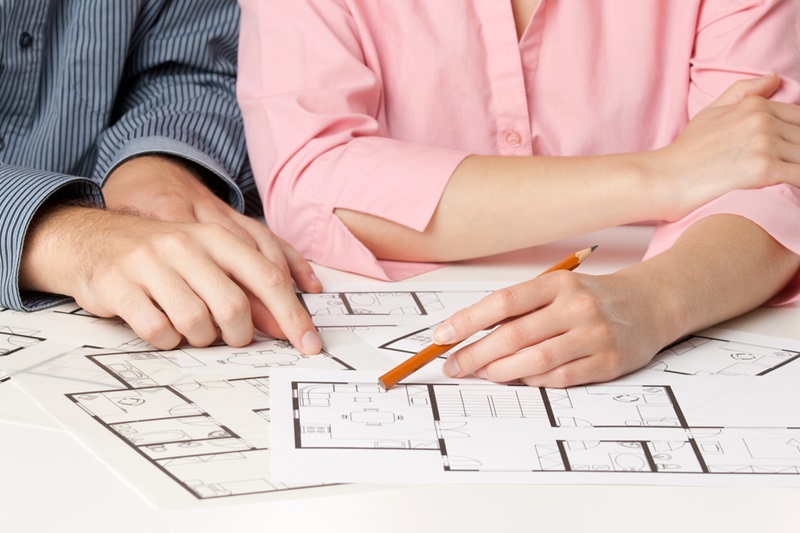
One of the most valuable tips for building a home is to arrive at your first builder meeting fully prepared. Finding the right builder matters more than most people realise, and preparation is what separates a productive conversation from a frustrating one. You give your builder the tools to provide meaningful and realistic advice if you arrive with a clear understanding of your goals, budget, lifestyle needs, and vision for your home. These foundational tips for building a new home can potentially save you thousands and help you avoid pricey mistakes down the track. I’ll walk you through exactly how to prepare in this piece, from assessing your needs to compiling the right questions to ask during that vital first meeting.
Understanding What You Need Before the Meeting
Clarity about your requirements saves time and prevents miscommunication during your original builder consultation. Experienced home builders Melbourne will tell you the same thing: you walk into that meeting without a solid understanding of what you need, and you often end up with vague discussions and proposals that miss the mark.
Assess your space requirements
Your home’s size needs to line up with how many people will live there and whether you plan to grow your family later. Start by creating two distinct lists: must-haves and nice-to-haves. Must-haves are non-negotiables, the spaces you can’t live without like bathrooms, kitchen areas and bedrooms. Nice-to-haves refer to extra spaces such as gaming areas or pool areas that you can include only if your budget allows.
Measurements matter more than you might think. Architects calculate gross floor area from the inside face of external walls, which excludes external walls, porches, alfrescos and balconies. Builders need external dimensions to provide accurate cost estimates, so discrepancies between these measurements can throw off your budget by a lot.
Define your budget range
Construction costs in Australia vary depending on location and build type. Average costs range from $1,500 to $3,000 per square metre for a standard house as of 2024. A three-bedroom house in Melbourne costs approximately $2,400 to $2,900 per square metre.
Your budget must account for more than just construction. Factor in land purchase, design fees, materials, labour, permits, site works and landscaping. Set aside a contingency fund of 10-15% of your total budget for unforeseen costs like site issues, weather delays or material price changes. This buffer protects you from financial strain when unexpected expenses arise.
Determine your timeline expectations
A custom home build takes 12 to 18 months to complete, though construction itself spans 7 to 12 months depending on design complexity and site conditions. The time before construction begins often surprises people. Pre-construction involves site reviews, design development, budget proposals, documentation and approvals. Begin the process 6 to 12 months before you want construction to start.
Understand your land situation
Gather details about soil type, slope, services availability and access for construction equipment if you already own land. Zoning compatibility, setbacks, easements and any Design Review Committee guidelines will influence what you can build. Check for flood restrictions, bushfire-prone designations or contamination issues. Some states require construction to commence within certain timeframes after land purchase, so verify these requirements early.
Gathering Your Design Ideas and Inspiration
Builders can’t read your mind, which is why visual references become your most powerful communication tool. Showing what you want removes guesswork and helps your builder understand your taste, style, and lifestyle priorities right away.
Create digital folders for design references
Pinterest remains the go-to platform for organising design inspiration. Create boards for different rooms like bedroom, lounge, kitchen, and alfresco, then pin images that capture your vision. Houzz offers something like this through Ideabooks, where you can save favourite design photos and professional profiles in one place. Instagram works well if you prefer following hashtags and saving posts from interior-focused accounts.
You can create a desktop folder with subfolders for each room type if you prefer computer-based organisation. Rename files with the source information so you can credit ideas and reference them later. The more research you do upfront, the quicker your builder can finalise plans.
Study floor plans from homes for sale
Real estate websites offer free access to professional photos and floor plans. You can walk through homes at your own pace and study how rooms connect and flow. Floor plans show fixture placement, which matters more than most people realise. The placement of a refrigerator relative to the sink and oven determines whether a kitchen feels comfortable or awkward. Study these details in existing plans to identify what works.
Identify your preferred home style
Understanding architectural styles gives you a vocabulary for discussing your vision. Industrial style emphasises exposed brick and steel beams, whilst contemporary coastal uses white palettes with bright blues. Country rustic favours natural materials and repurposed objects, and Scandinavian design blends functionality with simplicity.
Document features you like in existing homes
Physical inspiration boards still hold value. A 3-ring binder with clear sleeves lets you organise magazine cutouts, paint strips, and fabric samples by category. This tangible collection shows your builder what you’re after during that first meeting.
Preparing Your Must-Have Lists and Documents
Documentation separates amateur preparation from professional readiness. Builders expect you to arrive with specific lists and paperwork that demonstrate you’re serious about moving forward.
Create your must-haves vs nice-to-haves list
Prioritisation forces you to focus your budget on areas that matter most to you. The Function-versus-Feeling test helps distinguish between essential features and aesthetic priorities. Must-haves relate to function: safety, space, location and structural integrity. Ask yourself whether the absence of this feature prevents you from safely living, working or commuting. Nice-to-haves relate to feeling, visual appeal and optional comforts that you can add later if your budget allows.
Your lifestyle determines what belongs on each list. Remote workers need dedicated office space as a must-have, not a bonus room. Growing families require proximity to specific school districts or fenced yards as non-negotiables. Understanding your main function helps you make informed decisions throughout the design process.
Organise financial documents and pre-approvals
Construction loan applications require detailed documentation. Gather personal identification such as your driver’s licence or passport, documents confirming income and employment details. You’ll need details of your expenses, fixed price building contracts, plans and specifications. Lenders require architectural and engineering plans, copies of local permits, fixed-price contracts with a licenced builder and a detailed budget covering all estimated costs.
Compile land information and reports
Soil testing and site classification reports are part of building applications. These reports document soil strata, bearing capacity and site features like trees and drainage. They provide the site classification per AS2870-2011. Survey plans show lot size, lot shape and dimensions. Any easements or rights of way affecting your property appear on these plans.
Prepare lifestyle requirement notes
Write down how you use your home daily. Document whether you work from home, have children or pets, enjoy entertaining or need specific accessibility features. These notes help builders understand design choices that support your actual living patterns.
Questions to Ask Your Builder During the First Meeting
The questions you ask reveal how well a builder operates and whether they line up with your expectations. These aren’t just formalities. They’re protective measures that save you from disputes later.
Licencing and accreditation verification
Your builder should hold valid registration through your state’s online system. In Victoria, check the VBA website for current licence status and expiry dates. NSW requires builders to hold appropriate licence classes for project values, with domestic building work over $15,300 requiring proper registration. Get their licence number upfront and confirm it matches official records.
Build timeline and delay management
Realistic completion timeframes matter, given that builds average 6 to 12 months from start to finish. More important is how they communicate delays and whether past clients received proactive updates with clear explanations.
Design flexibility and modification options
Changes work best before your slab is poured or frames go up. Find out about their variation process and associated costs, especially when every construction design change after council approval requires resubmission.
Standard inclusions and exclusions
A detailed inclusions list should show exactly what’s covered in the base price. Items like driveways, insect screens, letterboxes and landscaping often appear as exclusions.
Quality control and warranty coverage
Their supervision practises and inspection schedules deserve discussion. Queensland Home Warranty Scheme covers projects over $5,000, whilst NSW requires Home Building Compensation for work exceeding $30,600.
Communication and project management approach
Find out who will be your primary contact and how project managers coordinate trades and provide updates throughout construction.
Conclusion
Your first builder meeting sets the tone for your entire project. Arrive with organised documentation, realistic budgets and clear design inspiration. Have specific questions ready. This transforms what could be a vague conversation into a productive partnership. This level of preparation requires effort, but it separates successful builds from problematic ones. You’ll save yourself thousands whilst building a home that reflects your lifestyle and vision.