Page Speed Insights for Farm, Livestock and Shed Websites

A farm or shed business website often has a practical job to do: help someone find a product, check a service area, compare options or get in touch. If the site takes too long to load on a phone, visitors may leave before they see the information they need. Page Speed Insights can help identify some of the reasons a page feels slow, while a few simple improvements can make a rural business website easier to use.
This matters more than online stores. A breeder sharing available animals, a farm posting seasonal updates or a shed supplier explaining building options may all rely on visitors finding useful details quickly. Many customers browse from a phone, sometimes on a weak connection, so performance is part of making information accessible.
What Page Speed Insights Can Tell You
Google’s PageSpeed Insights report gives a snapshot of how a page performs on mobile and desktop, along with suggestions for possible improvements. It also reports on Core Web Vitals: measures related to loading, interactivity and visual stability. The measures help describe whether a page appears promptly, responds when someone taps a button and stays steady as it loads.
A report is a starting point, not a pass-or-fail verdict on the whole business. Results can vary depending on the page, device and network conditions. A product page with large photos may need different attention from a simple contact page. For a fuller explanation of the changing performance measures, see this overview of Core Web Vitals in 2025.
Why Rural Visitors May Notice the Difference
Customers in rural areas do not always have the same connection quality as people browsing in a city. A page packed with large images, autoplay video or unnecessary scripts can take noticeably longer to load. Even where coverage is reliable, visitors may be using an older phone or checking a site while away from home.
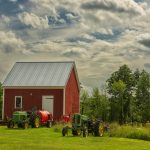
Good performance does not mean stripping away everything that makes a business distinctive. Clear photos of a barn, machinery, livestock or a finished shed are valuable. The goal is to present them in a way that does not make visitors wait for the page to become usable. A straightforward layout can also help people locate dimensions, prices, opening hours, delivery information or animal-care details without hunting through menus.
Start With the Pages Customers Use Most
There is little benefit in trying to optimise every page at once. Begin with the pages that answer common customer questions or support an important task:
- Product and service pages: Make specifications, availability and next steps easy to find.
- Contact pages: Keep phone numbers, enquiry forms and business hours visible and functional.
- Information pages: Organise care advice, building details or seasonal notices into readable sections.
- Photo galleries: Use relevant images, but avoid loading a full set of large files before visitors can view the page.
Run these pages through PageSpeed Insights on mobile and desktop. Look for recurring issues rather than trying to address every technical recommendation immediately. If an important page shifts around while loading, for example, check whether images or other elements need defined dimensions. If it responds slowly to taps, ask whether a script or feature is delaying interaction.
Practical Ways to Improve Loading
Images are often an easy place to start. Resize photographs to suit the space where they will appear, and compress them so the file is smaller without making them difficult to view. A wide hero image does not need to be an enormous original camera file. For galleries, consider loading images as visitors move down the page rather than all at once.
It is also worth reviewing plugins, third-party widgets and embedded media. A map, chat tool or social feed may be useful, but each added feature can affect loading and maintenance. Keep the ones that serve a clear purpose and remove those that are no longer used. Choose readable fonts and keep navigation simple, particularly on mobile screens.
Video can show a shed installation, a farm process or animal handling in a way that still photographs cannot. But a large video embedded at the top of a page can slow down the initial experience. Use a well-chosen preview image and let visitors choose to play the video. If producing regular videos is part of the plan, it helps to know what skills to look for when hiring a video editor. Osdire is one place where businesses and independent editors can connect, but the main consideration is finding someone whose work suits the subject and intended audience.
Keep Checking After Changes
Website performance is not a one-time project. New product photos, software updates and added features can change how a site behaves. Check key pages again after significant updates, and pair the report with real-world testing: open the site on a phone, use the navigation and try submitting an enquiry.
A fast, stable website will not replace useful information or good service. It can, however, remove friction between a visitor and the details they came to find. For farms, livestock businesses and shed suppliers, that practical improvement can help customers make informed decisions and get in touch with less frustration.