How Traditional Sash Windows Work and What To Know About Their Maintenance
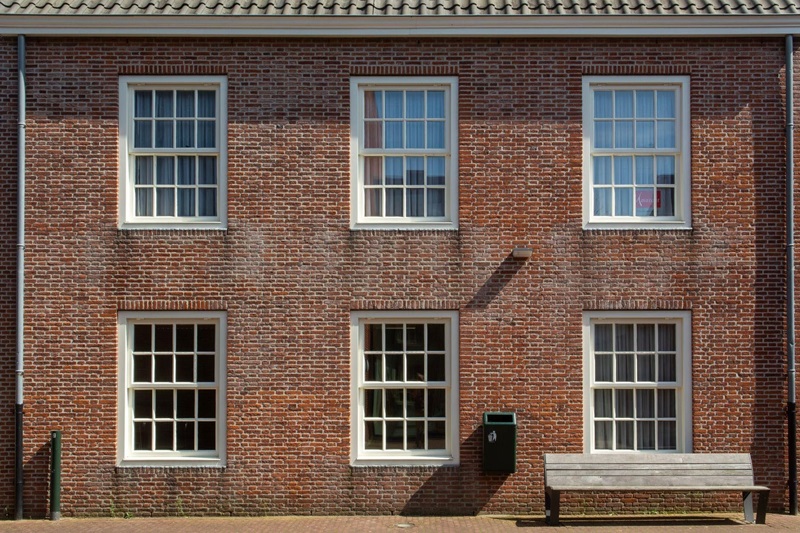
Traditional timber sash windows are still found in many older homes, particularly in the UK and other regions with heritage-style architecture. Despite the rise of modern window systems, sash windows remain valued for their appearance, ventilation control, and historical character.
However, like any mechanical system, they require proper maintenance to function smoothly over time. Understanding how these windows operate can make repairs and upkeep significantly easier.
The basic structure of sash windows
A sash window typically consists of two framed panels (sashes) that slide vertically within a frame. These sashes are counterbalanced so that they can be opened and closed with minimal effort.
This balancing system is one of the most important elements of the entire construction. It ensures that the window remains in position when opened and does not slam shut unexpectedly.
Over time, however, the internal components of the balancing mechanism may wear out, leading to issues such as sticking, uneven movement, or difficulty keeping the window open.
Common issues in older sash windows
In older properties, sash windows often suffer from:
- worn or broken cords
- deteriorated timber frames
- paint build-up restricting movement
- imbalance between the upper and lower sash
- issues with internal weight mechanisms
These problems usually develop gradually and may go unnoticed until the window becomes difficult to operate.
Regular inspection and maintenance can prevent more serious damage and extend the lifespan of the window system.
The role of the counterweight system
One of the key features of traditional sash windows is the hidden counterweight system located inside the window frame. This mechanism uses weights connected by cords or chains, allowing the sashes to move smoothly and stay in place.
When functioning correctly, the system provides a balanced and controlled motion. However, when components become worn or damaged, the window may no longer operate correctly and may require repair or replacement of internal parts such as sash window weights.
Maintenance and repair considerations
Maintaining sash windows is usually a combination of cleaning, minor repairs, and periodic replacement of worn components. Homeowners often choose to:
- replace broken cords or chains
- repaint or treat timber frames
- adjust sash alignment
- replace internal counterbalance components when necessary
In some cases, professional refurbishment is recommended, especially when dealing with older or historically significant windows.
Why traditional windows are still valued
Despite requiring more maintenance than modern PVC alternatives, sash windows remain popular due to their aesthetic and architectural value. They contribute to the character of period properties and are often preferred in conservation areas where maintaining historical accuracy is important.
Additionally, properly maintained sash windows can offer good ventilation and thermal performance when combined with modern restoration techniques.
Final thoughts
Understanding the mechanics of traditional sash windows is essential for effective maintenance and long-term usability. While they may seem complex at first glance, their design is based on a relatively simple balance system that has been used for centuries.
With regular upkeep and attention to key components, these windows can remain functional and visually appealing for many years.