How to Build a Shed That Can Withstand Harsh Aussie Climates

Australia is one of the most unique countries in the world, especially when it comes to climate. While our international reputation is as a beachy, easy-going climate, certain regions also experience scorching summers, tropical cyclones, heavy snowfall, bushfires and relentless humidity. Most generic construction advice is written for more temperate Northern Hemisphere conditions and simply doesn’t account for what our diverse climates actually demand.
Here, we understand what it takes to build a resilient outdoor structure in a punishing climate. From identifying the climate you live in to choosing high-quality PVC fencing that withstands UV exposure, this is how to build your shed well from the ground up.
Know Your Climate Zones Before You Build
Australia is home to a variety of climates, so a shed that works perfectly in suburban Perth may struggle in coastal Queensland or the Victorian high country. Knowing which climate zone you live in before you commence building can ensure you start out on the right foot.
Tropical
Many in Queensland, the Northern Territory and northern Western Australia live in tropical climates, where cyclonic winds, torrential rain and extreme humidity demand the highest structural standards and corrosion resistance. While many account for persistent humidity in these climates, some DIY builders underestimate the impact of cyclonic wind loads on their sheds.
Arid
Those in the arid outback experience massive temperature swings between day and night. Here, UV degradation is relentless, and dust can make its way into every nook and cranny of a shed. In arid climate zones, these harsh conditions will be the primary challenges to account for when selecting materials.
Temperate
Victoria, South Australia and New South Wales are home to many areas with temperate climates. However, tens of thousands of these properties sit on designated bushfire-prone land or in areas where seasonal flooding is a serious issue, even on the fringes of major cities. When the stakes are this high, material choices carry real consequences.
Coastal
Millions of people across Australia live along the coast, where salt air corrosion is aggressive and sand abrasion strips protective coatings from sheds. Living by the beach has its perks, but it’s also something to keep in mind before building.
Alpine
The often-forgotten alpine regions of Australia have unique needs when it comes to DIY building. In the Victorian high country and parts of New South Wales, snow load and freeze-thaw cycles can damage roofs and foundations.
Choosing the Right Materials
Once you have identified your climate zone, this should be the lens through which every material decision is made.
Bases and Foundations
A concrete slab is the standard starting point for sheds built to withstand harsh Australian climates. Concrete is exceptional at resisting moisture and rot thanks to its dense microstructure. It’s a structurally stable material that is the first line of defence against pest damage.
Cladding and Frame Materials
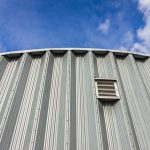
Colorbond steel is the standard cladding and frame material for Australian conditions. Colorbond was engineered specifically for high UV exposure and stands up well to both bushfires and salty coastal air. While timber framing can work in certain climates, it needs to be treated appropriately to resist moisture and pests in your specific region.
Roofing
The pitch of your roof should reflect your climate zone’s dominant weather challenge. In alpine zones or areas with heavy rainfall, a steeper pitch can help prevent the shed from holding too much weight. Where cyclones are a regular occurrence, designing for uplift resistance is key. Across arid, temperate and tropical climates, reflective foil insulation can help reduce extreme heat transfer.
Paints and Protective Coatings
For any exposed timber or bare steel elements, quality exterior primer and a UV-resistant topcoat are an absolute must in Australia. These will help prevent early surface deterioration. In coastal areas, rust-inhibiting primers are non-negotiable, while in tropical regions, anti-fungal additives to paint are worth the investment.
Fencing and Perimeter
A shed rarely exists on its own. Most sheds will be a part of a larger outdoor space that includes boundary fencing. Apply the same material thinking to your fencing as you do your shed build – timber will likely warp, crack, fade or fall prey to pests in Australia’s demanding climates, but quality fencing supplies like PVC fencing or Colorbond steel will hold up against the very conditions your shed was built to resist.
Ventilation and Drainage Matter More Than You Think
Even the strongest shed materials can deteriorate prematurely if moisture and heat are allowed to build up. Proper ventilation is particularly important in tropical, coastal and temperate regions, where condensation often leads to mould, corrosion and damage to stored items. Installing roof vents or louvred vents helps maintain airflow and regulate internal temperatures throughout the year.
Drainage is equally important. A shed should never sit in an area where water naturally pools after heavy rain. Incorporating slight ground falls away from the structure, installing drainage channels where necessary, and ensuring gutters and downpipes direct water away from the slab will help reduce the risk of erosion, flooding and foundation damage. These relatively simple measures can dramatically extend the lifespan of your shed.
Keep Local Building Requirements In Mind
Australian building regulations vary between states, councils and even individual properties. So before construction begins, check whether your shed requires permits or engineering certification. You should also check compliance specifications around specific wind, bushfire or flood standards. This is especially important in cyclone-prone regions, bushfire overlay areas and locations with strict planning controls.
Building to the minimum standard may satisfy regulations, but many homeowners choose to exceed these requirements when constructing a long-term asset. Additional tie-downs, reinforced connections, upgraded fasteners and higher-rated materials can provide valuable protection during extreme weather events. Investing in resilience during the build phase is often far more cost-effective than repairing storm, flood, or fire damage later.
Key Takeaways
Building a shed in Australia isn’t rocket science, but we do need to have a bit more climate awareness than our neighbours in the Northern Hemisphere. The difference between a shed that lasts a lifetime and one that falls prey to snow, UV exposure, wind, salt or bushfire comes down to the materials you use. By identifying your climate zone and the common conditions associated with it, you can sidestep these major issues and build a truly resilient shed.