Rain or Shine: Why Window Awnings Are Essential for Outdoor Sheds
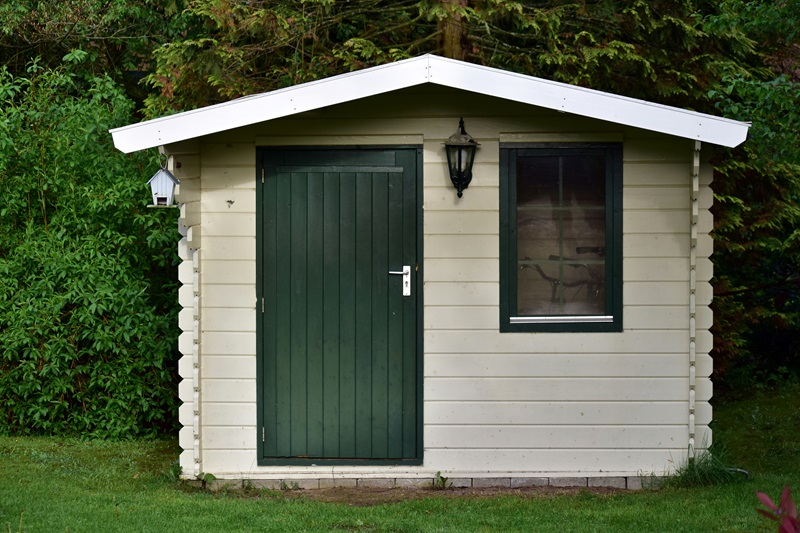
An outdoor shed takes a beating from the weather all year long. Rain drives moisture into door frames and window edges, while harsh sun slowly bleaches and warps the exterior. Most shed owners focus on what’s stored inside, but the structure protecting those contents often gets overlooked.
Window awnings are one of the most practical upgrades you can make for a backyard shed. They’re low-maintenance, long-lasting, and address real problems that shorten a shed’s lifespan.
Read on to find out exactly how they hold up your shed against whatever the weather throws at it.
How Window Awnings Protect Your Shed from Rain and Sun
Outdoor sheds take constant weather exposure, and that exposure adds up faster than most people expect. Window awnings are one of the simplest ways to reduce the direct impact of rain and sun on your shed’s exterior.
Here are some of the biggest ways they keep your shed protected year-round:
Rain deflection away from window frames
Water that lands near windows doesn’t just run off cleanly. It pools along sills, works into gaps in the frame, and sits against timber long enough to cause damage. An awning canopy positioned above the window pushes rainfall outward, away from those contact points, before it gets a chance to settle.
UV protection for exterior surfaces
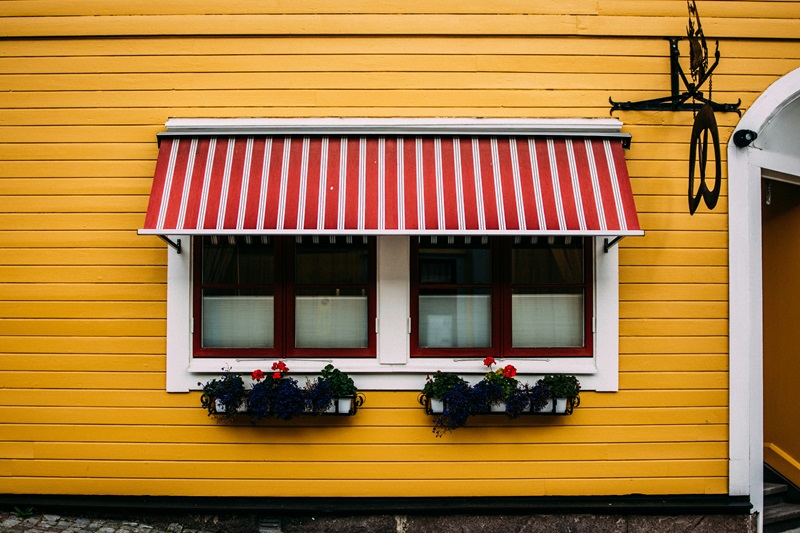
Direct sun is harder on a shed’s exterior than most people realize. UV rays degrade paint, dry out timber, and cause surface cracking over time. A polycarbonate cover or fabric awning overhead blocks that exposure and slows down the surface wear that makes sheds look aged before their time.
Working with a company that specializes in custom residential and commercial awnings, whether an awnings Perth supplier or a trusted local provider, ensures your sunlight protection setup is sized correctly. It also ensures the awning is angled properly for your shed. A well-fitted awning blocks the right amount of sun without turning the window area into a dark corner.
Wind-driven rain barrier
Standard rainfall is manageable, but wind-driven rain hits at an angle that bypasses a lot of standard protection. UV protection from surface coatings only goes so far when water is being pushed sideways into frame joints. A properly projected awning adds horizontal coverage that intercepts that angled moisture before it reaches the wall.
Extending the Life of Your Shed with Weather-resistant Awnings
A shed that’s constantly exposed to the weather deteriorates faster than one with even basic protection in place. Metal awnings and other awning types reduce that exposure in ways that directly affect how long your shed stays in good shape.
Here are the main areas where awnings make a measurable difference:
Wood rot prevention around windows and sills
Rot doesn’t happen overnight. It starts where moisture sits longest, typically along window sills, door frames, and exterior timber bases. Awnings shorten the time water stays in contact with those surfaces. That slows the conditions rot needs to take hold.
Longer-lasting exterior paint and finishes
Paint on an exposed shed takes a beating from repeated wet and dry cycles. An aluminum awning overhead reduces how often those surfaces get soaked and dried out. That keeps the finish intact longer and cuts down on repainting jobs over the years.
Reduced wear on metal fittings and hardware
Hinges, latches, and window fixtures are easy to overlook until they stop working. Ongoing moisture causes rust that weakens those components gradually. Awning frames built with stainless steel hardware hold up well outdoors and protect the fittings below from the same wear.
Creating Usable Outdoor Space Around Your Shed
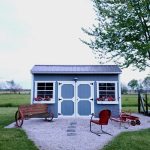
The area directly outside a shed is usually wasted space. It’s exposed, uncomfortable in bad weather, and too sunny to work in during summer. A patio awning or window awning overhead turns that neglected zone into somewhere you’d actually want to spend time.
That covered area becomes a practical spot for tasks that don’t need to happen indoors. Potting plants, sorting tools, or cleaning equipment all work fine under a shading solution that keeps rain and direct sun off. It’s a low-effort way to get more functional square footage out of a space you already have.
Beyond the workspace benefit, a covered transition area also makes loading and unloading the shed far less frustrating. You’ve got somewhere dry to set things down while moving items in or out. That small convenience adds up, especially during the kind of weather that makes every extra trip back inside feel like a hassle.
Choosing the Right Awning for Your Shed
Fixed awnings are the most straightforward option for sheds that need year-round coverage. Polycarbonate cover panels and corrugated metal awnings handle heavy rain without sagging or needing storm preparation. They’re low-maintenance and stay in place regardless of what the weather does.
That said, not every shed has the same needs. Retractable awnings work better for sheds used as workshops or hobby spaces, where natural light matters throughout the day. A retractable window awning can be pulled back on clear days and extended when conditions change, giving you more control over light and airflow.
Sizing is where most people get it wrong, regardless of which style they choose. An awning that’s too narrow won’t push rainwater far enough from the window frame. Measuring the window width plus a few inches on each side, then projecting out at least 18 to 24 inches, gives solid coverage for most standard shed windows.
Final Thoughts
Window awnings protect more than just the glass. They guard the frame, the sill, the paint, and the hardware against the steady wear that outdoor conditions deliver year after year. They also add a small but genuinely useful covered area around the shed itself. For a relatively modest investment, awnings are one of the few upgrades that pay back in reduced maintenance costs and a longer-lasting structure.