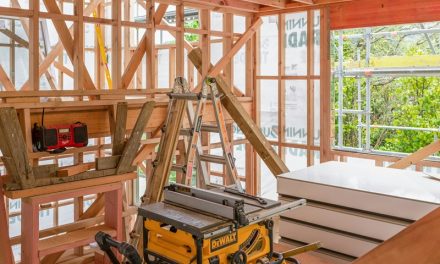
How to Tell if a Fixer-Upper is Actually Fixable

While most homeowners will try to do some presale renovations before they auction off their home, it’s very rarely the case for fixer-uppers because they’re expecting the buyer to do all the work (and these houses are usually a lot cheaper anyway). So it’s easy to see why people gravitate towards buying these, but at the same time, there’s a problem here because a fixer-upper messes with a person’s judgment. The listing photos look “full of potential,” the price looks tempting, and the brain starts doing that little montage thing where everything gets sanded, painted, and magically perfect by next month. Yeah, sure, that’s the dream.
But of course, even though social media content and what you see on TV make it look not that bad, a fixer-upper can be one heck of a project, or it can be a money pit with nice lighting, hard to say at the beginning. But how are you going to know before you buy the property, though?
You Just Need to Start with the Inspections
So, the last thing you want is to make expensive guesses. So, even though you’re having to spend some money here, it’s absolutely worth it because proper building inspections help reveal what’s going on behind the scenes, not just what looks good during a viewing. You can usually expect these sorts of inspections to look at structural issues, damp problems, roof condition, wiring concerns, old plumbing, and any “quirks” that aren’t actually quirky that fix-it-uppers tend to have.
And while sure, older houses in particular are known for having some issues here and there, granted that’s normal, there’s a different scale. Basically, a house with a few manageable repairs is one thing. But ahouse with deep, complicated problems that affect safety or structure is a completely different situation, that costs way too much to probably even be worth it.
Check the Big-Ticket Stuff First
It’s true, a fresh coat of paint can make anything look charming for a few minutes. Actually, even new flooring can hide a lot. To a degree at least, even a strong air freshener can do a shocking amount of heavy lifting. So those can be “easy” fixes if you want to call it that, but they’re far from being the hard big-ticket ones.
So, instead, you need to think about roof age and condition, signs of movement or cracking, damp patches, condensation issues, dodgy electrics, ancient boilers, and all the really old plumbing that’s still there. Because once you calculate these, a good chunk of the time, that whole “bargain” for the house immediately disintegrates once the quotes for all these fixes come up.
Be Honest with Yourself and Your Situation
It’s so incredibly rare that fixes are actually seamless, really really rare, especially for a fixer-upper. So, you need to think of it like this: a fixer-upper isn’t just a list of jobs, it’s also a lifestyle for a while. Like, it can last years. Think about it; trades need booking, materials get delayed, costs creep up, and every decision feels like it needs to happen immediately. Even simple projects can take longer than expected, especially if the house throws a surprise at the worst possible moment.
So, it’s worth asking, can the budget handle a realistic renovation, not an optimistic one? Can daily life handle the disruption? Can the timeline survive delays?