7 Things to Do Immediately Following a Break-In
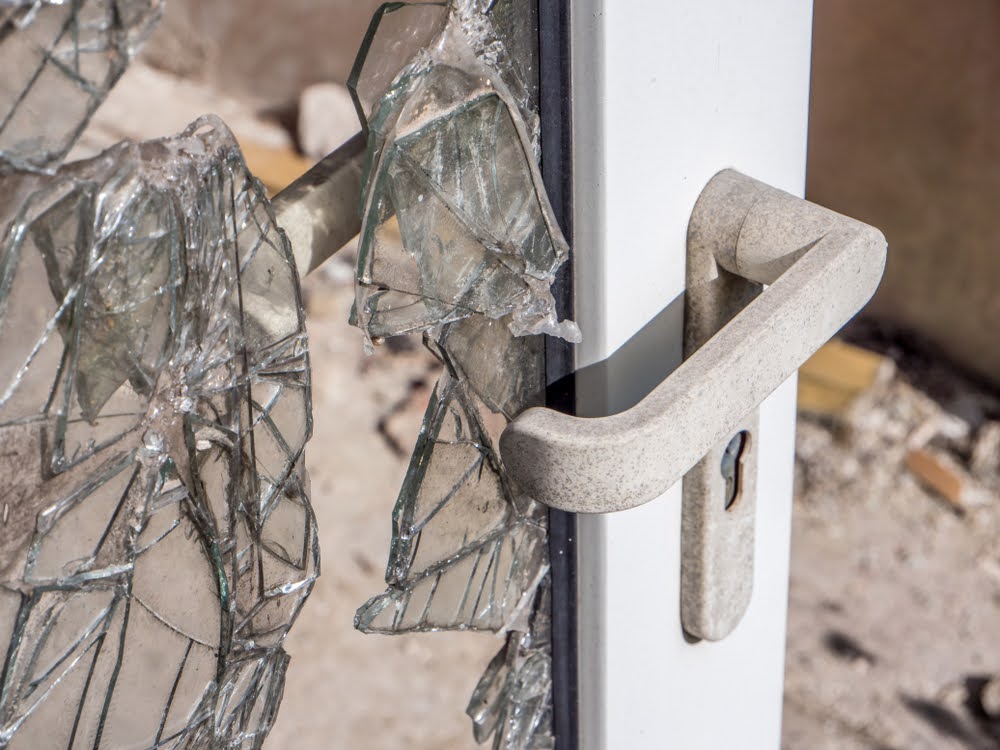
Having your home or garage broken into can be pretty confronting, but in these instances, it’s definitely well worth staying calm and acting swiftly and responsibly to avoid risks of being retargeted.
Here are 7 essential steps to take immediately following a break-in on your property.
1. Change your locks
If your home has been broken into, chances are that the trespassers were able to grab some copies of your house keys or even your car keys before they ran off. If you have found that you’re missing a few sets of keys, then the first thing you’ll want to do is call an emergency locksmith to get replacement locks sorted as quickly as possible.
Alongside helping to keep your home from being broken into again or your car from being stolen, changing your locks is also an essential measure for insurance reasons, as some policies may not cover a burglary if the thief didn’t have to use ‘forcible and violent entry’ to gain access to your home.
This is also why it’s not recommended to keep a hide-away key on your property, as there’s every chance the location of hidden keys can be identified by vigilant, malicious third parties.
2. Replace any damaged doors or windows
Staying on the descriptor of ‘forcible and violent entry’, homeowners may also not be able to recoup the financial losses of a break-in if their doors and windows are either left unlocked, or are in a poor state of repair, as these poor quality barriers support trespassers from gaining access to your property without force.
So if a recent break-in has resulted in damage to your doors or windows, you’ll want to prioritise getting these barriers repaired as quickly as possible to avoid risks of repeat break-in incidents that require less force from the instigators.
Pro tip: had a garage or shed break-in recently? Check out our guide on shed security to see how you can reinforce roller doors, windows, and vents.
3. Alert the authorities
Recording timestamps of incidents is foundational to making sure your insurance claims go smoothly. So the moment you register a break-in on your property, you’ll need to call the police (000) to ensure strong digital records of when the incident took place.
Of course, if the break-in is after you’ve been away from the property and you’ve discovered the intruder has vacated it, you can also contact 131 444 for Police Assistance or Crime Stoppers (1800 333 000) for anonymous reporting.
When speaking with your local authorities, try to give as much information in your police report as you can. Be sure to also record the event or report number assigned to your case, as you’ll also need to recite this to your insurance provider when making any claims following the break-in.
4. Take stock of all damaged and stolen items
An overview of all damaged and stolen items is amongst some of the details you’ll want to include in your police report. For full transparency and exhaustive reporting, it’s recommended that you take photos of damaged items alongside preparing your list of what’s missing. You can start doing this while you wait for the police to arrive on the scene.
Try to be as detailed as possible with this process, as the more evidence you can collect at the scene, the easier it’ll be to provide the information needed during your insurance claim. If you need assistance, see if another member of your household can help out. Two heads can be beneficial here, as you can rely on each other to fill in the gaps you may have in your shared state of shock.
5. Review security camera footage
There’s a reason why well-positioned security cameras are considered to be one of the strongest security measures for garages, sheds, and even granny flats. For structures that aren’t directly attached to the home, it can be tricky for residents to keep an eye out for suspicious activity in and around their garden shed. With security camera footage, however, you can not only help dissuade opportunistic thieves from targeting your property, but can also capture them in the act and increase your chances of bringing the perpetrators to justice.
So while the police are still inspecting the scene of the crime, see if you can access your camera feeds, identify the timestamps where the perpetrators were busy at work, and then isolate the footage to attach it to your case.
6. Revisit your home security measures
If you don’t have security cameras installed, it’s not the end of the world. In fact, you could use this recent break-in as a strong motivator to invest in your home security as a means of reducing your risks of being targeted by bad actors in the future.
However, there are more measures that you can implement alongside just installing a good Wi-Fi security system. You can also take this opportunity to upgrade your doors, windows, and locks with deadbolts with your local locksmith, and perhaps even invest in motion-activated floodlights so trespassers on your property have nowhere to hide.
Speaking of ensuring no hiding places, a little work around the garden (i.e. trimming bushes, shrubs, trees, etc.), can also help reduce risks of your property being retargeted. So contrary to popular belief, home security measures don’t have to just be technical – they can also be design-focused!
7. Acknowledge the impact
There’s no denying that a home invasion is a traumatic experience, no matter how much you try to stick to the facts and procedure of replacing stolen goods. So if you find yourself feeling particularly anxious following the break-in, then it may be wise to speak with a counsellor about the incident. Don’t feel the need to suffer in silence.
On that same note, you can draw a lot of comfort from speaking with your neighbours about your experiences as well. Your story may also help to keep your neighbours safe from being targeted by the same bad actors. In this way, acknowledging the impact of your break-in is a contribution to your local community.
Safeguard your property following a break-in
Handling the aftermath of a break-in can be emotionally, mentally, and even physically intensive. But acting with sure footing here can help to not only protect your property and family, but also curb the risks of repeat incidents for your neighbours and other residents on your street.
So if you do fall victim to a break-in, whether random or a targeted attack, be sure to follow the steps we’ve outlined above to ensure your response is thorough and intensive. With a little due diligence, you can make sure your recoup all your financial losses, and that your family and property stay safe from the risk of repeat incidents.