What to Do When Your Home Drain Is Blocked?
A blocked drain can disrupt your entire household, leading to unpleasant odours, gurgling noises, slow drainage, and in severe cases, overflowing sinks or toilets. Although blockages are common, many homeowners feel unsure about how to respond safely and effectively when a drain stops functioning. Acting promptly prevents further damage and helps maintain the integrity of your plumbing system.
This comprehensive beginner’s guide outlines a structured, step-by-step process for handling a blocked drain at home. By following these recommendations, you can address minor issues independently and recognise when professional intervention becomes necessary. As you gain confidence and awareness, you will also reduce the likelihood of recurring problems and costly repairs. For complex or persistent issues, contacting a qualified blocked drains plumber remains essential for a long-term solution.
Understanding the causes, symptoms, and proper actions empowers you to react calmly and prevent further complications. The following sections present a clear roadmap to help you manage and resolve drainage issues safely.
1. Identify the Signs of a Blocked Drain
Before attempting any repairs, it is important to confirm that the issue is indeed a blocked drain. Many signs appear gradually, while others become obvious only once the blockage worsens. Identifying these symptoms early allows you to take swift action.
Common signs include:
• Slow-draining sinks, showers, or bathtubs
• Water pooling around floor drains
• Gurgling or bubbling noises in pipes
• Foul odours coming from drains
• Toilets that do not flush properly
• Overflowing fixtures after use
Additionally, if multiple drains in your home experience issues simultaneously, the blockage may be located deeper in the main sewer line. This situation requires immediate attention to prevent backflow and contamination.
Once you confirm that the problem is related to a blockage, proceed cautiously to avoid causing further damage.
2. Stop Using the Affected Drain Immediately
Continuing to run water into a blocked drain increases pressure inside the pipes, which can worsen the obstruction or even cause flooding. The first step is to stop all water flow into the affected fixture.
Actions to take:
• Avoid flushing the toilet if the blockage is in the bathroom
• Stop running the tap connected to the blocked sink
• Turn off appliances such as dishwashers or washing machines if they share the line
• Inform family members to avoid using the affected area
By limiting water entry, you prevent additional strain on your plumbing system and reduce the risk of further complications.
3. Remove Visible Debris and Check the Immediate Area
Before using tools or chemical solutions, inspect the area around the drain to remove any debris that is accessible without dismantling plumbing components.
Steps to follow:
• Remove the drain cover and check for hair, soap scum, and food particles
• Clean around the opening using gloves or a small brush
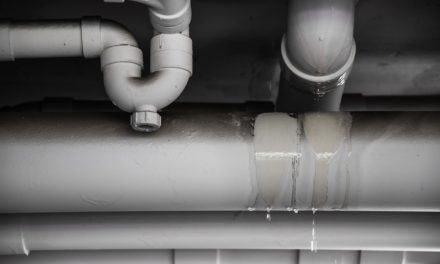
• Check the S-bend under sinks if accessible, as it often traps solids
This initial cleaning often resolves minor clogs, particularly in bathroom sinks and showers. Additionally, clearing visible debris improves the effectiveness of later steps if the blockage persists.
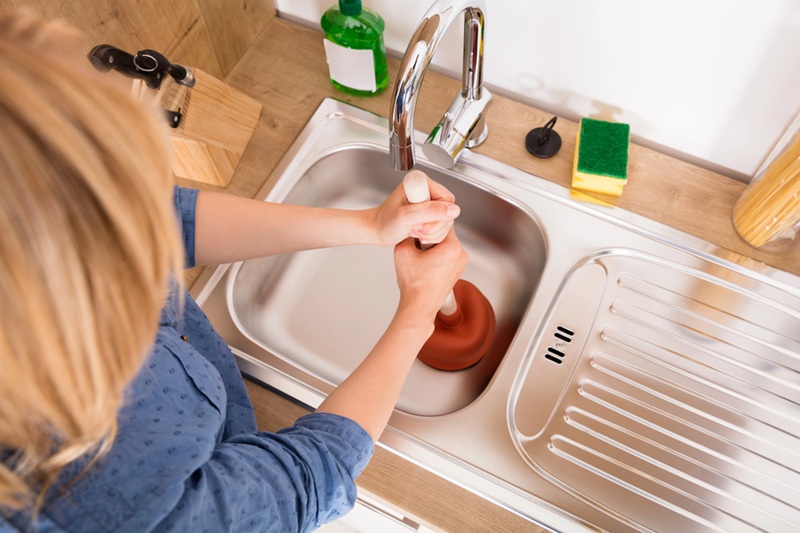
4. Use a Plunger to Create Pressure and Dislodge the Blockage
A plunger is one of the most effective household tools for clearing simple drain blockages. It uses suction and pressure to shift debris lodged inside the pipe.
How to use it correctly:
• Choose the right plunger: a cup plunger for sinks, a flange plunger for toilets
• Ensure there is enough water in the fixture to cover the plunger cup
• Seal the plunger firmly over the drain
• Push up and down vigorously for 20–30 seconds
• Check whether water begins to drain more freely
Repeat the process several times if necessary. If plunging does not resolve the issue, move on to more targeted methods.
5. Try Natural Cleaning Solutions Before Using Harsh Chemicals
Many homeowners resort to chemical drain cleaners immediately. However, these products can damage pipes, harm the environment, and pose health risks. Before considering chemical options, try natural alternatives.
Common approaches include:
• Pouring hot (but not boiling) water down the drain to break down soap and grease
• Using a mixture of baking soda and vinegar to loosen residue
• Flushing with warm water after the mixture reacts
These solutions work best for grease, soap scum, and small organic blockages. Nevertheless, they may not resolve serious obstructions such as tree roots or solid waste.
If natural methods do not produce results, consider using a drain snake or contacting a professional.
6. Use a Drain Snake or Flexible Cleaning Tool
A drain snake—also called a plumbing auger—is a flexible tool designed to reach deeper into pipes where plungers cannot. It effectively dislodges hair, food scraps, and debris stuck inside bends.
How to use it safely:
• Insert the snake into the drain opening
• Rotate the handle to move the tool through the pipe
• Continue feeding the snake until resistance is felt
• Twist to break up the blockage or pull it out slowly
• Flush the drain with warm water
This method works well for bathroom and kitchen drains. However, do not use excessive force, as this may damage the pipe or fixtures.
7. Check External Drains and Surrounding Areas
Stormwater and outdoor drains often become blocked by leaves, dirt, and debris. When external pipes clog, they can cause slow drainage inside the home, especially during rain or when multiple water fixtures are used.
Inspection steps:
• Clear away leaves, sticks, and garden waste
• Lift outdoor grates and remove visible debris
• Ensure gutter downpipes flow freely
If outdoor drains overflow frequently, the issue may be deeper within the sewer line and require professional attention.
8. Know When to Call a Professional
Although many blockages can be resolved with simple tools, some require specialist equipment or expertise. Call a licensed plumber if:
- Multiple drains block at the same time
- Water backs up into sinks, showers, or toilets
- You suspect tree roots or pipe damage
- The blockage recurs frequently
- There is a strong sewage odour around the property
Professionals use CCTV drain cameras, high-pressure water jetting, and pipe inspection tools to identify and eliminate the root cause. Seeking expert help ensures the problem is resolved safely and permanently.
Conclusion
A blocked drain can escalate quickly if ignored. Acting promptly—instead of waiting until overflow or damage occurs—saves time, reduces costs, and protects the hygiene and function of your home. By following this step-by-step guide, you can handle minor drain issues independently while recognising when professional assistance is required.
Understanding the cause of a blockage, using the right tools, and practising preventive maintenance will help you maintain a reliable plumbing system throughout the year. With consistent care and timely intervention, you can ensure that your home’s drainage system remains efficient and trouble-free.