Transform Your Shed from Forgotten Storage to Functional Haven: A Complete Maintenance Guide
Your shed probably started with good intentions. It was going to be that perfectly organised workshop, the tidy garden tool storage, or maybe a peaceful retreat from the chaos of daily life. Fast forward a few years, and it’s become a catch-all for everything that doesn’t quite fit in the house—rusty tools, mildewed cushions, mysterious boxes, and probably a few unwelcome eight-legged residents.
Here’s the thing: sheds and outdoor storage spaces deserve better than being treated like the forgotten corner of your property. With some strategic planning and proper maintenance, these spaces can genuinely improve your quality of life. Whether you’re reclaiming your shed to create a proper workshop, setting up a home gym, or simply want a functional storage area that doesn’t make you cringe every time you open the door, this guide will walk you through the essential steps.
The beauty of shed maintenance isn’t just about aesthetics—though that’s certainly a bonus. It’s about protecting your investment, preserving the items you store inside, and creating a space that actually serves a purpose rather than collecting dust and debris. Let’s explore how to turn that neglected structure into something you’re genuinely proud of.
Why Your Shed Deserves More Than Neglect
Think about how much money you’ve got tied up in the contents of your shed. Power tools, gardening equipment, outdoor furniture, sports gear, seasonal decorations—it all adds up quickly. Yet many of us treat our sheds like they’re disposable, allowing moisture, pests, and dirt to slowly destroy both the structure and everything inside it.
The reality is that proper shed maintenance pays dividends in multiple ways. First, you’re protecting potentially thousands of dollars worth of equipment and belongings. Second, you’re preventing structural damage that could require costly repairs down the line. A leaky roof ignored for a year becomes a rotten frame that needs replacing. A small gap in the foundation becomes a highway for rodents that chew through electrical cables and nest in your stored items.
Beyond the practical benefits, there’s something deeply satisfying about having an organised, clean shed. It changes how you interact with your property. Instead of avoiding that corner of the yard, you might actually enjoy spending time there. You know exactly where everything is. You’re not worried about what might scurry out when you reach for something. It’s a small change that creates a surprising amount of psychological relief.
Seasonal maintenance should be on your calendar just like servicing your car or cleaning your gutters. Spring and autumn are ideal times for thorough shed inspections. Check for signs of water damage, look for gaps where pests might enter, assess the condition of stored items, and give everything a proper clean. These biannual check-ins prevent small issues from snowballing into major problems.
The Deep Clean: Tackling Years of Accumulated Grime
Right, let’s address the elephant in the room—or rather, the layers of dirt, cobwebs, and mystery stains coating your shed floor. Deep cleaning a shed is nobody’s idea of a fun Saturday, but it’s absolutely essential if you want to reclaim the space properly. This isn’t your typical quick sweep and wipe down; we’re talking about a proper, thorough transformation.
Start by completely emptying the shed. Yes, completely. I know it seems excessive, but you can’t properly clean around piles of stuff, and this gives you a chance to assess what you’re actually keeping. Be ruthless—if you haven’t used something in three years and can’t imagine a specific scenario where you’ll need it, it’s probably time to let it go. Donate, sell, or dispose of items responsibly.
Once empty, begin at the ceiling and work your way down. Remove cobwebs, dust off rafters, and wipe down any shelving. Pay special attention to corners where spiders love to set up camp. For walls, a mixture of warm water and a mild detergent usually does the trick for basic grime. For tougher stains or mildew, you might need something stronger—but always test in an inconspicuous area first to ensure it won’t damage the material.
The floor is where things get interesting, especially if you’ve got old carpets, rugs, or floor mats that have been accumulating dirt and moisture for years. These textiles can harbour all sorts of nasties—dust mites, mould spores, and persistent odours that no amount of surface cleaning will shift. If you’ve got valuable rugs or carpets that you’d like to salvage rather than bin, professional rug cleaning services can work wonders on even the most neglected pieces, using specialised equipment and techniques that go far beyond what you can achieve with a home carpet cleaner.
Here’s what many people don’t realise: that old rug you’ve been using as a drop cloth in your shed might actually be worth saving. Maybe it’s a decent quality piece that just needs proper restoration, or perhaps it has sentimental value. Professional cleaning can remove years of embedded dirt, eliminate odours, and often restore colours you’d forgotten existed. It’s worth assessing whether professional treatment makes more sense than replacement, especially for larger or better quality pieces.
For the concrete or wooden shed floor itself, a pressure washer can be incredibly effective, though you need to be careful with the pressure settings if you’ve got wooden flooring—too much power can damage the wood fibres. After washing, allow everything to dry completely before bringing items back in. This is crucial. Moisture trapped in a closed shed creates the perfect environment for mold growth and will undo all your hard work within weeks.

When DIY Isn’t Enough: Knowing When to Call in the Experts
There’s definitely satisfaction in rolling up your sleeves and tackling shed maintenance yourself. For many tasks—basic cleaning, minor repairs, organisation—DIY is absolutely the way to go. But let’s be honest about something: some jobs are genuinely beyond what most people can or should handle alone, and there’s no shame in recognising when professional help makes more sense.
Professional cleaning services bring industrial-grade equipment, proper cleaning solutions, and crucially, experience in dealing with different materials and challenging conditions. They can achieve in a few hours what might take you an entire weekend, and often to a higher standard. If your shed has become seriously neglected—we’re talking about heavy mould growth, extensive grime buildup, or dealing with biohazard situations like animal waste—professionals have the right protective equipment and disposal methods to handle these safely.
The geographical aspect matters too. If you’re in Victoria’s Geelong region, for instance, working with a local cleaning company in Geelong means you’re dealing with professionals who understand the specific challenges of the area—the humidity patterns, common pests, and local regulations around waste disposal. They’re also more likely to be available for follow-up work or maintenance contracts, which can be valuable for keeping your shed in top condition year-round.
Cost-wise, professional cleaning often makes more sense than you’d think. Factor in your time (seriously, value your weekends), the expense of buying or renting equipment you’ll rarely use, the cost of cleaning products, and the potential for making costly mistakes—suddenly that professional quote looks pretty reasonable. Plus, many cleaning companies offer package deals for multiple services, which can include everything from initial deep cleaning to ongoing maintenance visits.
Think about what you’re trying to achieve with your shed. If it’s becoming a proper workshop, home office, or hobby space, starting with a professional-grade clean sets the foundation for success. You’re not just paying for cleaning; you’re paying for someone to identify potential problems—water damage, pest entry points, structural issues—that you might miss. That knowledge alone can save you thousands in future repairs.

The Pest Problem: Prevention and Professional Control
Nothing ruins a shed’s usefulness quite like discovering you’re sharing it with an army of unwelcome residents. Spiders, rodents, termites, cockroaches—these creatures see your shed as prime real estate, and once they’ve moved in, eviction becomes a serious challenge. Pest control isn’t just about comfort; it’s about protecting your belongings and maintaining the structural integrity of your shed.
Prevention is your first line of defence, and it starts with eliminating entry points. Walk around your shed with a critical eye. Any gap larger than six millimetres can admit mice. Cracks in the foundation, gaps around doors and windows, holes where pipes or cables enter—these are all invitations for pests. Seal them with appropriate materials: steel wool and caulk for small gaps, hardware cloth for larger openings, weather stripping for doors and windows.
Managing what you store and how you store it makes a massive difference. Cardboard boxes are basically luxury apartments for rodents and insects—they provide both shelter and food. Switch to plastic storage containers with tight-fitting lids. Keep everything off the floor using shelving or pallets, which eliminates hiding spots and makes it easier to spot signs of pest activity. Regularly rotate stored items so nothing sits undisturbed for years, creating perfect nesting conditions.
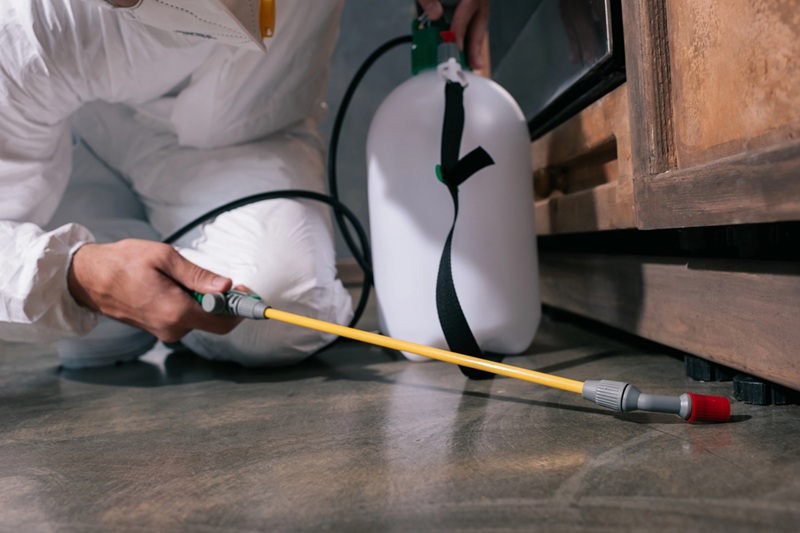
But let’s be realistic: sometimes prevention fails, or the problem is already established. DIY pest control has limitations. Those sprays you can buy at the hardware store might kill individual insects you can see, but they rarely address the underlying infestation. Baits can work for rodents, but you need to know where to place them, and you’ll still need to deal with the aftermath—which can include finding deceased rodents in hard-to-reach places.
Professional pest control brings expertise in identifying the specific pest, understanding its behaviour, and applying targeted treatments. This is especially important in regions like New South Wales, where different pests present varying challenges. For example, residents dealing with pest control in Riverstone need professionals who understand the specific species common to that area and the most effective treatment methods for local conditions.
The professional advantage extends to follow-up treatment and prevention planning. A proper pest control service doesn’t just treat the immediate problem; they help you understand what attracted pests in the first place and how to prevent recurrence. They’ll identify conducive conditions you might not notice—moisture problems, food sources, or structural vulnerabilities. Many offer regular monitoring visits, which can catch new pest problems early before they become serious infestations.
Timing matters too. Spring and early summer are peak seasons for pest activity, making them ideal times for preventive treatment. Don’t wait until you spot evidence of a problem—by then, you’ve likely got an established infestation that requires more extensive (and expensive) treatment to resolve.
Building Long-Term Maintenance Habits
The transformation from neglected shed to functional space isn’t a one-and-done project—it’s about establishing habits that keep it that way. The good news? Once you’ve done the hard work of a thorough clean and setup, maintenance becomes relatively straightforward if you stay on top of it.
Create a simple seasonal checklist. In spring: check the roof for winter damage, clear gutters if your shed has them, inspect for pest entry points that may have opened during winter, and do a general tidy-up. In summer: verify ventilation is adequate, check for signs of moisture or mould, and ensure stored items aren’t deteriorating in the heat. Autumn: prepare for winter by checking weather sealing, securing anything that might shift in strong winds, and doing a pre-winter clean. Winter: monitor for leaks during heavy rain, check that moisture isn’t accumulating, and ensure stored items remain protected.
The “one in, one out” rule works brilliantly for sheds. Every time you bring something new into the shed, something else should leave—whether through disposal, donation, or relocation. This prevents the gradual accumulation that sees sheds become dumping grounds again. Be honest with yourself about what you actually use versus what you’re keeping “just in case.”
Invest in proper storage solutions from the start. Wall-mounted tool organisers, labeled containers, and designated zones for different types of items make maintenance infinitely easier. When everything has a specific place, you’re more likely to return it there, and you’ll notice immediately if something’s out of order or if you’ve got a pest problem developing.
Document your shed’s condition with photos once you’ve got it sorted. This might seem unnecessary, but it’s incredibly useful for tracking changes over time. Notice a stain appearing on the wall? You can compare it to your baseline photos to determine if it’s growing. Trying to remember if that crack was there before? Your photos have the answer. This documentation is also valuable if you ever need to make an insurance claim.
Consider the shed’s purpose and set realistic expectations. If it’s an active workshop where you’re constantly creating sawdust and bringing in materials, it’ll need more frequent attention than a simple storage shed for seasonal items. Adjust your maintenance schedule accordingly, and don’t stress about maintaining showroom conditions in a working space—function trumps perfection.
Finally, make the space pleasant enough that you want to spend time there. Good lighting, perhaps a radio, maybe a small heater for winter—these things make maintenance less of a chore. If you actually enjoy being in your shed, you’re more likely to notice small issues before they become big problems, and you’re more likely to keep up with regular tidying.
Conclusion: From Burden to Asset
Your shed doesn’t have to be that structure you feel guilty about every time you walk past it. With systematic attention to cleaning, organisation, and pest prevention, it can become a genuinely valuable part of your property—a space that adds functionality and convenience to your life rather than creating stress and costing you money through neglect.
The initial investment of time and effort (and yes, sometimes money for professional services) pays off through years of reliable use, protected belongings, and peace of mind. You’re not just maintaining a building; you’re preserving tools and equipment worth hundreds or thousands of dollars, creating useful space on your property, and avoiding the kind of major repairs that come from letting small problems fester.
Start with one step. Maybe that’s a thorough clean this weekend. Maybe it’s calling in professionals to handle the worst of it so you can start fresh. Maybe it’s simply sealing those gaps you’ve been meaning to address for months. Whatever your first move is, make it soon. Your shed—and your future self—will thank you for it.