Transform Your Backyard: Smart Upgrades That Boost Comfort and Value
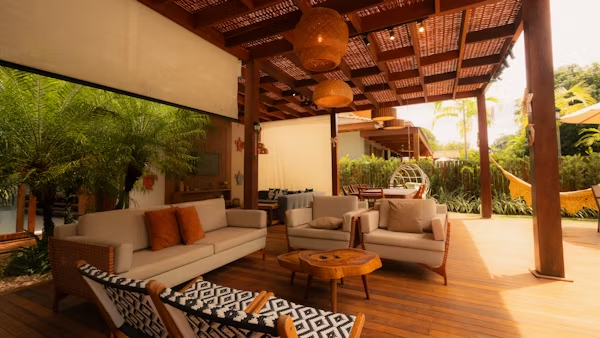
There’s something special about stepping into your backyard on a weekend morning, coffee in hand, and actually wanting to spend time there. For many Australian homeowners, the outdoor area has become an extension of the living room—a place where kids play, friends gather, and quiet evenings unfold. But getting from “neglected patch of grass” to “favourite spot in the house” takes more than good intentions.
The truth is, creating an outdoor space that works year-round in Australia’s varied climate requires thoughtful planning. You’re dealing with harsh summer sun, unpredictable rain, and the need for spaces that don’t just look good but actually function. Whether you’re starting from scratch or upgrading what you’ve got, the right improvements can completely change how you use your home.
This guide walks through the practical upgrades that make a real difference. We’re talking about changes that add genuine value—not just aesthetically, but in terms of comfort, functionality, and even your energy bills. From extending your living space outdoors to making your home more efficient, these improvements work together to create a property you’ll love living in.
Creating Additional Living Space: The Covered Outdoor Area
Most Australian homes feel cramped at some point. Kids grow, hobbies expand, and suddenly you’re tripping over each other trying to use the same spaces. But here’s what many people miss: you don’t always need to build up or out to gain more room. Sometimes the best solution is right outside your back door.
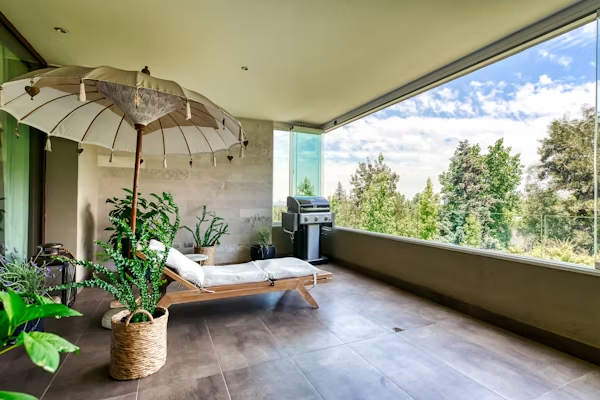
A well-designed covered outdoor area instantly adds usable square metres to your home. We’re not talking about a basic shade cloth strung between posts—that’s a start, but it’s hardly the kind of space you’ll use every day. A properly constructed patio or verandah becomes an all-weather extension of your home, somewhere you can set up furniture, install lighting, and actually use it regardless of what’s happening overhead.
The beauty of this approach is versatility. Summer barbecues are the obvious benefit, but think bigger. A covered area becomes your home gym when it’s too nice to be stuck inside. It’s where teenagers retreat when they need their own space. It’s the workshop for weekend projects that create too much mess for indoors. With the right design, you’re essentially adding another room without the cost of conventional building.
When planning this kind of upgrade, the construction quality matters more than you’d think. Cheap materials and dodgy workmanship leave you with a structure that creaks in the wind, leaks during storms, or starts looking tired after a single summer. Professional patio installers Melbourne residents trust can make the difference between an outdoor area that enhances your home and one that becomes a maintenance headache. The right builders will discuss drainage, wind loads, and council requirements—the boring stuff that determines whether your investment actually lasts.
Consider how the space connects to your existing home, too. A covered area that requires you to step down, walk across exposed ground, then step up again won’t get used nearly as much as one with a seamless transition from your living areas. French doors or wide sliding openings create that indoor-outdoor flow everyone talks about but few homes actually achieve.
Energy Efficiency Through Better Windows
Here’s something that surprises people: your windows are probably costing you more money than you realize. Those old aluminium frames might look fine, but they’re basically thermal conductors that work against your heating and cooling systems. In summer, they let heat pour in. In winter, they let warmth escape. Your air conditioner or heater runs constantly trying to compensate, and your electricity bill reflects it.
Window replacement isn’t the most exciting home improvement topic, but stick with me here. Modern window technology has come a long way from the single-pane glass in aluminium frames that dominated Australian construction for decades. Today’s options offer genuine performance improvements that you’ll notice immediately.
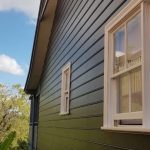
UPVC (unplasticized polyvinyl chloride) windows represent a significant upgrade in thermal efficiency. The material itself insulates far better than aluminium, and modern designs incorporate multiple chambers within the frame that trap air and create additional barriers against heat transfer. Pair that with double-glazed glass, and you’ve got a window that performs dramatically better than what most Australian homes currently have.
The comfort factor goes beyond just temperature. Better windows reduce external noise significantly. If you live on a busy street or near a school, that difference is immediately noticeable. They also eliminate those cold drafts that make certain rooms unpleasant in winter, and reduce the hot spots near windows during summer that force you to draw blinds and live in darkness.
For homeowners in New South Wales looking to upgrade, working with experienced upvc windows sydney suppliers ensures you’re getting products designed for Australian conditions. Our climate is harsh—intense UV, extreme temperature variations, coastal salt exposure in many areas. Windows that work beautifully in Europe might fail prematurely here without proper modifications and quality UV stabilizers in the UPVC formulation.
The return on investment makes sense when you look beyond just energy savings. Better windows reduce your carbon footprint, which matters to many buyers. They improve comfort, which matters to everyone living in the home. And they typically boost property values, particularly in areas where older homes dominate and upgrades stand out.
One often-overlooked benefit: condensation reduction. Older windows in Australian homes often drip with condensation on winter mornings, leading to mould growth on frames and walls. Modern, thermally efficient windows largely eliminate this problem by keeping the internal glass surface warmer, above the dew point. That’s better for your health and your home’s long-term condition.
Sustainable Living: Solar Power and Protecting Your Investment
More Australian homes now have solar panels than ever before. The economics make sense—power prices keep climbing, solar installation costs have dropped, and government incentives help offset the initial expense. For many households, solar represents genuine independence from grid electricity for significant portions of the day.
But here’s what the solar companies don’t always mention during their sales pitch: those panels on your roof can attract unexpected visitors. Birds, particularly pigeons and starlings, love the sheltered space beneath solar arrays. It’s protected from weather, warm from the electronics, and elevated away from ground predators. In other words, it’s perfect nesting territory.
This isn’t just a minor nuisance. Bird droppings accumulate on panels, reducing their efficiency. Nesting materials can block drainage channels, causing water pooling and potential damage. The constant activity can create noise that’s surprisingly loud inside the house. And the accumulation of organic material beneath panels poses fire risks—not common, but serious enough that it’s worth preventing.
Some homeowners discover these issues after the fact and try DIY solutions. They rig up their own barriers or attempt to clean established nests themselves. This rarely ends well. Birds are persistent, and improper solutions either fail quickly or can actually damage the solar installation if they’re fixed incorrectly to panels or mounting systems.
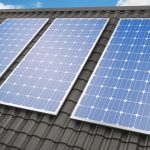
Professional solar panel bird proofing services handle this properly from the start. Quality installations use purpose-designed mesh that blocks access without impacting the ventilation solar panels need to operate efficiently. The mesh attaches to the mounting rails, not the panels themselves, so there’s no risk of voiding warranties or creating leak points in your roof.
The timing matters too. If you’re installing new solar panels, adding bird proofing during the original installation makes sense. The scaffolding is already up, and the installation crew can integrate the protection seamlessly. For existing systems showing signs of bird activity, addressing it sooner rather than later prevents the problem from escalating. Once birds establish a nesting site, they’ll persistently return even after you’ve cleaned it out and think you’ve solved the issue.
Beyond birds, proper solar panel maintenance includes regular cleaning and inspection. Australia’s dusty conditions, combined with the pollen in spring and salt in coastal areas, mean panels accumulate grime that reduces output. Professional cleaning services understand the correct techniques—using the right pressure, avoiding harsh chemicals that damage panel coatings, and working safely at heights.
Choosing Quality: Why Cutting Corners Costs More
There’s a persistent temptation in home improvement to go with the cheapest quote. The logic seems sound—if multiple contractors can do the same job, why pay more? But this thinking misses something crucial: they’re not actually offering the same job.
Quality in construction shows up in places you don’t see. It’s in the thickness of the steel used for framing. The grade of screws and fasteners chosen. The way waterproofing is layered and sealed. The time taken to ensure everything is level, plumb, and square. These details cost more in materials and labor, but they determine whether your improvement lasts ten years or forty.
Consider what happens when corners get cut on a patio installation. Cheaper builders might use undersized footings that seem fine initially but gradually sink or shift. They might skip proper flashing where the roof meets your house, creating a leak point that won’t show up until the first major storm—possibly months after they’ve been paid and moved on. They might use inferior roofing material that looks similar initially but degrades rapidly under UV exposure.
The same principle applies to windows. Cheap UPVC formulations lack adequate UV stabilisers and will yellow and become brittle within a few years. The hardware might be lightweight and prone to failure. The seals might not be designed for Australian temperature extremes. You save money initially, then face replacement or extensive repairs far sooner than you should.
This isn’t about being upsold on unnecessary premium options. It’s about understanding that quality materials and experienced tradespeople cost more for legitimate reasons. A builder who’s been operating successfully for fifteen years charges more than someone starting out with a ute and basic tools because they’ve invested in training, equipment, insurance, and reputation. That investment protects you.
Getting this right means doing research before you commit. Check reviews, but read them critically—look for specific details about how contractors handled problems, not just glowing praise. Ask for references and actually contact them. Verify licensing and insurance coverage. Visit completed projects if possible, to see the quality firsthand.
The Real Value of Home Improvements
Here’s something worth understanding about home improvements: not all upgrades deliver the same return, and the value isn’t always measured purely in dollars.
Projects like kitchen and bathroom renovations typically recoup 60-80% of their cost when you sell, sometimes more in the right market. But you’re also living with that improvement for however many years before you sell. The daily benefit of a kitchen you actually enjoy using has value that doesn’t show up in appraisal reports.
The same applies to outdoor improvements and efficiency upgrades. A great covered entertaining area might not technically increase your home’s value by exactly what you spent on it, but it makes your property more attractive to buyers and shortens time on market. It also provides years of genuine lifestyle benefit before you sell.
Energy-efficient windows sit in an interesting category. The direct value they add to resale price varies by market, but they reduce operating costs immediately and continuously. Over a ten-year period, the electricity savings can be substantial. They also appeal to environmentally conscious buyers, a growing segment of the market that actively seeks out efficient homes and will pay premium prices for them.
Solar panels have become expected rather than exceptional in many Australian markets. A home without solar increasingly looks out of touch, while one with a well-maintained system and proper bird proofing presents as move-in ready. The investment pays off through reduced power bills and improved marketability.
The psychological aspect matters too. Living in a home you’ve improved creates a sense of pride and satisfaction that affects quality of life in subtle but real ways. You’re more likely to maintain it well. More likely to spend time in spaces you’ve made comfortable. More likely to feel good about where you live.
Avoiding Common Mistakes
Most home improvement disasters aren’t catastrophic failures—they’re gradual disappointments when reality doesn’t match expectations. Understanding common mistakes helps you avoid them.
The biggest one? Underestimating the importance of proper planning. People see a backyard patio they like on Instagram, get a quick quote, and rush into construction without thinking through practical details. Where will the water run off? How does the sun angle change through the seasons? What about wind patterns? Do local regulations require permits? Proper planning answers these questions before money gets spent.
Another common error: prioritising appearance over function. A gorgeous patio built without adequate drainage becomes unusable in wet weather. Beautiful windows that can’t be easily cleaned become grimy and neglected. Solar panels positioned for visual impact rather than optimal sun exposure generate less power. Function should drive design decisions, with aesthetics layered on top.
Material selection often goes wrong when people rely too heavily on photos and descriptions rather than seeing and feeling products in person. That UPVC window looks white in photos but might be a slightly different shade than your existing frames, creating a patchwork appearance. The patio roofing material has a texture that’s jarring when you see it in person. Whenever possible, view physical samples before committing.
Timeline assumptions create problems too. People plan around overly optimistic completion dates, scheduling furniture delivery or parties before work is actually finished. Build buffer time into your expectations. Weather delays happen. Materials get back-ordered. Unexpected issues arise during construction that need addressing. Planning for a longer timeline prevents stress when the inevitable delays occur.
Finally, maintenance planning gets overlooked. People invest in improvements then neglect basic upkeep, and things deteriorate faster than they should. A patio needs occasional cleaning, sealing, and checking for fastener tightness. Windows need periodic maintenance of seals and hardware. Solar panels need cleaning and inspection. Factor ongoing maintenance into your budget and schedule.
Moving Forward
Creating a home that works perfectly for your lifestyle isn’t about following trends or copying what you see online. It’s about understanding your specific needs, the challenges your property presents, and the solutions that address both while fitting your budget.
Start by honestly assessing what’s not working. Is your family really lacking outdoor space, or is there an underutilized area that could be better designed? Are your energy bills genuinely a problem, or just an annoyance? Is solar power practical for your roof orientation and shading situation? These questions lead to better decisions than starting with “everyone’s getting X, so we should too.”
Get multiple quotes, but compare them properly. The lowest price often reflects cut corners or missing scope items. The highest price doesn’t guarantee superior results either. Look for contractors who ask good questions, explain their approach clearly, and provide detailed quotes that let you understand exactly what you’re paying for.
Don’t feel pressured to do everything at once. If budget constraints mean prioritizing, choose improvements that either deliver immediate daily benefits or prevent problems from worsening. A patio might provide more lifestyle value than new windows if your current ones are functional, even if they’re not optimal. But if those windows are actually leaking or the frames are rotting, that becomes the priority regardless of what you’d prefer to do.