Maximizing Your Home’s Potential: Strategic Extensions and Outdoor Space Maintenance
Your home represents more than shelter; it’s your largest financial asset and the backdrop for daily life. Maximizing its potential requires strategic thinking about both expanding usable space and maintaining existing outdoor areas.
This comprehensive approach enhances property value while creating environments that better serve your lifestyle needs.
Understanding Your Property’s True Potential
Most homeowners fail to recognize the untapped possibilities within their existing properties. Land boundaries, structural capabilities, and local regulations create frameworks within which numerous improvement options exist. Assessing these possibilities reveals opportunities that significantly enhance functionality and value.
Property limitations often seem more restrictive than reality dictates. Zoning setbacks, height restrictions, and coverage ratios still permit substantial improvements within compliant parameters. Professional consultation uncovers options invisible to untrained eyes, potentially unlocking thousands of dollars in additional value.
Current lifestyle needs frequently outgrow homes that once felt spacious and functional. Growing families, home-based businesses, multigenerational living, and lifestyle changes create space demands that original designs never anticipated. Strategic improvements address these evolving requirements without the disruption and expense of relocating.
The Case for Home Extensions
Home extensions deliver additional space at costs substantially below purchasing larger properties. When comparing extension expenses against purchasing, moving, and transaction costs, extensions often save hundreds of thousands of dollars.
This financial advantage becomes even more compelling in desirable neighborhoods where larger homes rarely become available.
Established neighborhoods, schools, and community connections represent intangible values that relocating sacrifices. Extensions preserve these social and practical advantages while solving space limitations. Families maintain friendship networks, children stay in familiar schools, and daily routines continue uninterrupted.
Modern design approaches integrate extensions seamlessly with existing architecture. Quality additions complement rather than compromise original home aesthetics when executed thoughtfully. Poor-quality extensions obviously tacked onto homes actually diminish property appeal despite adding square footage.
Planning Successful Extensions
Strategic extension planning begins by identifying which spaces would deliver maximum lifestyle improvements. Additional bedrooms, expanded living areas, home offices, or enhanced outdoor connections each serve different needs. Prioritizing based on daily frustrations and future requirements ensures extensions deliver meaningful benefits.
Budget realism prevents disappointment and project failures midstream. Comprehensive cost estimation includes design fees, permits, construction, landscaping restoration, and contingencies for unexpected issues. Extensions typically cost between $2,000 and $4,000 per square meter, depending on quality, complexity, and location.
Working with experienced extension home builders ensures projects meet structural requirements while achieving design objectives.
These specialists understand how to integrate new construction with existing structures, maintaining architectural consistency and building integrity. Their expertise navigates permits, engineering requirements, and construction challenges that defeat amateur approaches.
Design flexibility accommodates future needs beyond immediate requirements. Incorporating additional electrical capacity, plumbing rough-ins, or structural provisions for second-story additions costs minimally during initial construction. These forward-thinking elements prevent expensive retrofitting when needs evolve further.
Timeline expectations should account for design, approval, construction, and finishing phases spanning three to nine months typically.
Weather, material availability, permit processing, and complexity all influence actual durations. Patient planning with realistic schedules prevents frustration while ensuring quality outcomes.
Popular Extension Types

Single-story rear extensions remain the most common and cost-effective expansion approach. These additions extend living areas, kitchens, or create family rooms opening to outdoor spaces. Ground-level construction avoids structural complexities of upper-story work while delivering substantial functional improvements.
Second-story additions maximize land use by building upward rather than consuming yard space. These vertical extensions suit smaller lots where ground space is precious or building coverage limits exist. Structural reinforcement of existing foundations adds complexity and cost but preserves valuable outdoor areas.
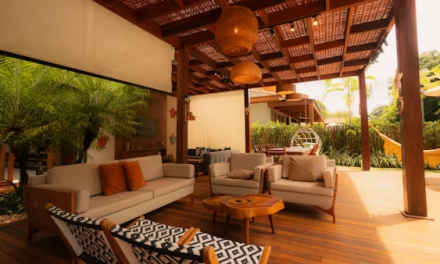
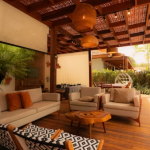
Sunroom and alfresco additions create transitional spaces connecting indoor comfort with outdoor environments.
These semi-outdoor rooms extend usable seasons in temperate climates while providing sheltered entertainment areas. Glass walls and quality roofing create flexible spaces serving multiple purposes throughout the year.
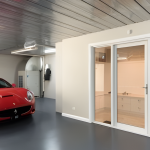
Garage conversions transform underutilized storage into functional living spaces. Converting single or double garages creates home offices, guest suites, gyms, or entertainment rooms. This approach delivers additional space without consuming yard areas or requiring foundation work.
Maximizing Outdoor Living Spaces

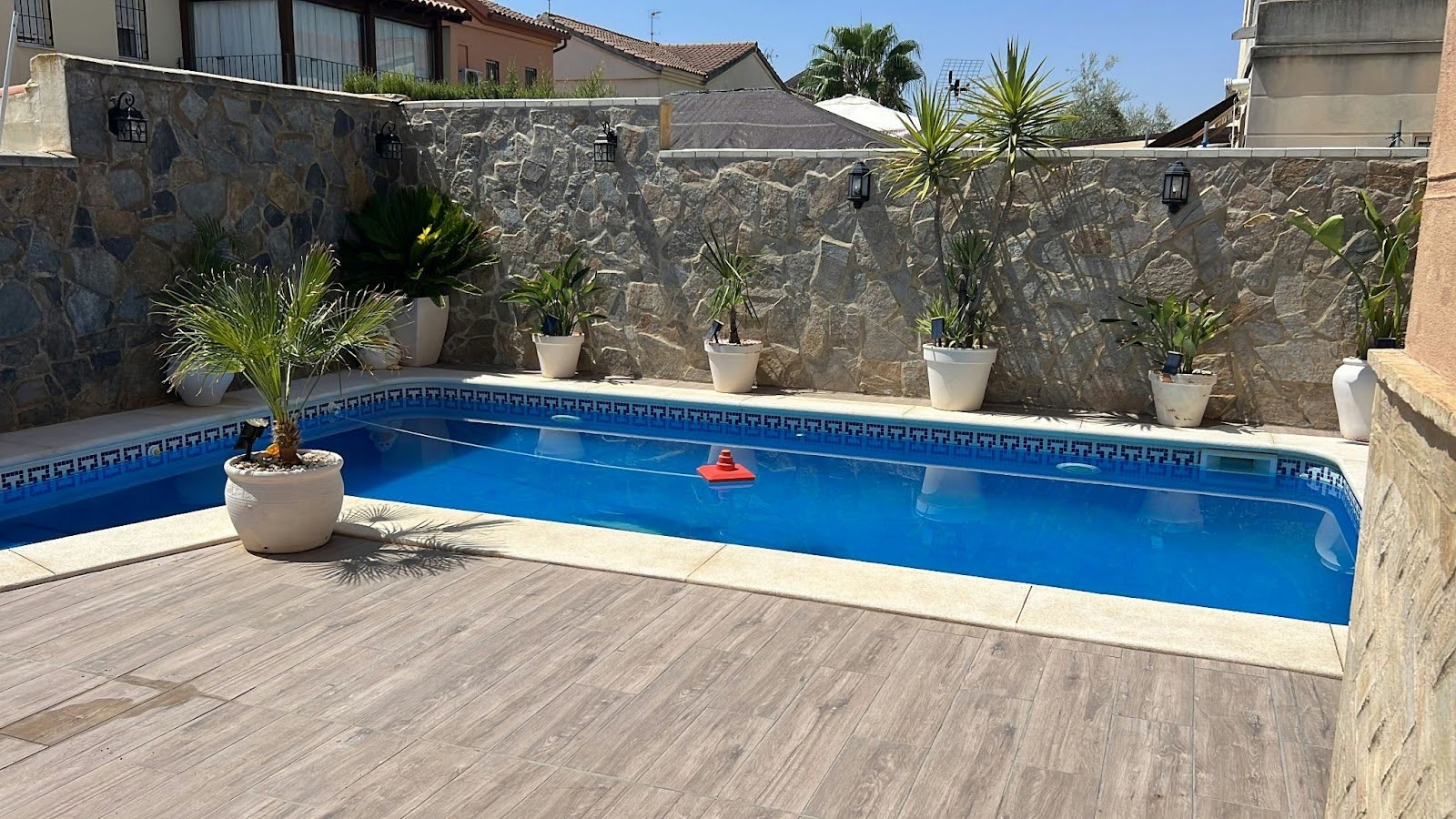
Swimming pools represent significant property features requiring ongoing attention to maintain value and functionality. Neglected pools quickly become expensive liabilities rather than desirable amenities. Chemical balance, filtration system performance, and physical cleanliness directly impact pool usability and surrounding property appeal.
Professional maintenance services ensure pools remain safe, clean, and inviting throughout swimming seasons. Blue Crystal Pool Cleaning in Gold Coast specialists provide comprehensive care, including chemical balancing, equipment servicing, and thorough cleaning. Regular professional attention prevents small issues from escalating into expensive repairs while maximizing enjoyment.
Water chemistry complexity exceeds most homeowners’ casual understanding of pool maintenance. pH levels, chlorine concentration, alkalinity, and calcium hardness must balance precisely for safe, comfortable swimming. Improper chemistry damages equipment, irritates skin and eyes, and creates environments where algae thrives.
Equipment maintenance extends the lifespan of expensive pumps, filters, heaters, and cleaning systems. Regular inspections identify wear before failures occur, preventing emergency repairs during peak usage periods. Preventive maintenance costs fractionally compare to emergency equipment replacement expenses.
Visual cleanliness impacts how frequently families actually use pool facilities. Sparkling water invites swimming, while cloudy, debris-filled pools discourage use despite representing substantial property investments. Consistent cleaning maintains the inviting appearance that justifies pool ownership costs.
Landscaping That Enhances Property Value
Strategic landscaping frames properties while creating functional outdoor environments. Mature trees, established gardens, and thoughtful hardscaping distinguish properties from neighbors with minimal landscaping. These improvements deliver strong returns on investment through enhanced curb appeal and usable outdoor spaces.
Low-maintenance landscaping suits busy homeowners lacking time for extensive garden care. Native plants adapted to local climates require minimal watering and maintenance while thriving year-round. Automated irrigation systems reduce labor requirements while ensuring landscape health during dry periods.
Outdoor lighting extends usable hours while improving security and highlighting architectural features. Well-designed lighting illuminates pathways, accentuates landscape elements, and creates ambiance for evening entertaining. Solar-powered options reduce installation costs and ongoing energy expenses.
Hardscaping creates defined spaces for various outdoor activities within yard areas. Patios, decks, pathways, and retaining walls organize outdoor areas while reducing maintenance-intensive lawn coverage. Quality hardscaping materials withstand weather and are used for decades with minimal maintenance.
Coordinating Indoor and Outdoor Improvements
Comprehensive improvement planning considers how indoor extensions and outdoor enhancements complement each other. Sunroom and alfresco additions create transitional spaces connecting indoor comfort with outdoor environments, helping to bridge the gap between internal living areas and exterior spaces. Extensions opening to well-maintained outdoor areas create seamless indoor-outdoor flow, highly valued in modern homes. This integration maximizes usable space while enhancing lifestyle quality.
Timing multiple improvements together often reduces overall costs through shared site mobilization and contractor coordination. Landscaping restoration after extension construction coordinates naturally with broader outdoor improvement projects. Single-phase comprehensive improvements minimize disruption compared to multiple smaller projects over time.
Design consistency across indoor and outdoor improvements creates cohesive property aesthetics. Material selections, color palettes, and architectural styles flowing throughout properties deliver polished, intentional appearances.
Mismatched improvements from different eras and designers create disjointed aesthetics that diminish rather than enhance appeal.
Budget allocation between indoor and outdoor improvements requires balancing immediate needs with investment returns. Extensions typically deliver stronger financial returns than landscaping, but both contribute to overall property desirability.
Proportional investment across multiple improvement categories creates well-rounded properties appealing to broad buyer demographics.
Seasonal Maintenance Considerations
Different seasons present optimal timing for various improvement and maintenance activities. Extension construction progresses more smoothly during dry seasons when weather delays decrease. Outdoor maintenance intensifies during growing seasons when plants, lawns, and pools demand regular attention.
Pre-summer preparation ensures pools, outdoor entertainment areas, and cooling systems function perfectly when needed most. Equipment servicing, landscape refreshment, and cleaning projects position properties for maximum enjoyment during peak outdoor living months. Deferred maintenance discovered during busy seasons ruins plans and costs more in emergency repairs.
Post-summer maintenance addresses wear from heavy usage periods. Pool equipment inspections, landscape restoration, and outdoor furniture care preserve these assets for subsequent seasons. Neglecting post-season maintenance accelerates deterioration, requiring more extensive eventual repairs.
Winter represents ideal timing for planning and executing indoor improvements. Extension projects disrupting interior spaces inconvenience families less during seasons when outdoor alternatives aren’t available. Design and permit phases during autumn position projects for spring construction commencement.
Financial Planning for Property Improvements
Comprehensive budgeting accounts for all improvement costs, including design, permits, construction, landscaping, and contingencies. Many homeowners underestimate total expenses by focusing only on construction bids while overlooking professional fees and ancillary expenses. Realistic budgeting prevents mid-project funding crises that delay or compromise outcomes.
Financing options include home equity loans, lines of credit, refinancing, or cash reserves, depending on financial situations.
Each option offers different interest rates, tax implications, and repayment terms requiring careful evaluation. Consulting financial advisors ensures selections optimize overall financial positions.
Return on investment varies significantly among improvement types and should inform prioritization decisions. Extensions typically recover 60% to 80% of costs upon sale, while outdoor improvements show more variable returns.
Understanding these dynamics helps balance current lifestyle benefits against future resale considerations.
Tax benefits for certain improvements can offset portions of project costs through deductions or credits. Energy-efficient upgrades, accessibility improvements, and home office additions may qualify for beneficial tax treatment. Professional tax consultation before beginning projects ensures optimal structuring for maximum advantages.
Conclusion
Maximizing your home’s potential requires strategic thinking about both expanding usable space and maintaining existing outdoor areas.
Extensions address evolving lifestyle needs while professional outdoor maintenance preserves the amenity value that outdoor features provide.
Together, these improvements transform properties into spaces that better serve daily life while protecting and enhancing asset values.
Successful property enhancement balances immediate lifestyle improvements with long-term value protection.
Quality extensions and consistent outdoor maintenance compound benefits over the years of ownership, delivering both daily enjoyment and eventual financial returns.
The investment you make today in your property’s potential determines how well it serves your family throughout the years of memories created within its spaces.