Why Detailing Products Aren’t All the Same

When browsing car care products, it’s tempting to assume that all detailing solutions perform similarly. After all, a polish is a polish, right? Not quite. From composition and purpose to user application and environmental compatibility, detailing products vary significantly—and understanding those differences can be the key to protecting your vehicle’s finish long-term.
Formulations Vary Depending on Purpose
One of the primary reasons detailing products aren’t all the same is that they’re designed for distinct outcomes. For example, polishes typically contain fine abrasives to smooth paint imperfections, while waxes and sealants create a protective layer on top. Then there are ceramic coatings, which form a semi-permanent bond with the paint, offering more resilience against environmental contaminants.
Even within a product category, such as interior cleaners, variations abound. Some are safe for leather, while others are better suited for fabric or plastic trim. The choice of surfactants, solvents, or conditioners impacts how a product performs and whether it enhances or harms specific materials over time. Notably, brands like Meguiar’s car care and detailing products offer comprehensive ranges tailored to different detailing stages, from prep to protection, allowing users to choose products based on paint age, condition, and usage frequency.
Application Techniques Influence Results
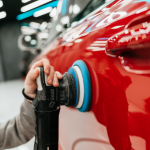
It’s not just what’s in the bottle that matters—how you apply it plays a role too. Some detailing products are designed for machine application, particularly those involving polishing compounds, which require even pressure and consistent motion to correct paintwork. Others are intended for hand application, with simpler spray-and-wipe methods suited to quick maintenance routines.
Incorrect usage can diminish product effectiveness or even damage surfaces. For instance, using a high-abrasion compound on newer paintwork may cause micro-marring. Likewise, failing to remove residue from wax or sealant can lead to hazing. This is why choosing user-friendly formulas with clear instructions is vital for casual car owners, while professional-grade products might assume a higher level of experience or equipment.
Environmental Compatibility Makes a Difference
Not all detailing products respond the same way under different weather or environmental conditions. Water-based tyre dressings, for example, may wash off during the first rain, whereas solvent-based ones offer longer durability but may not be as eco-friendly.
pH levels also matter, especially for cleaners. Acidic wheel cleaners can damage bare alloy finishes or corrode brake components if misused. On the other hand, neutral pH soaps are safer for regular washing but may lack the power to remove embedded grime or fallout. Australians in coastal or bushfire-prone areas may need formulations that resist salt corrosion or ash staining, whereas drivers in urban environments might focus on smog and dust protection.
Being aware of these environmental sensitivities can help you select the most appropriate detailing kit for your region and climate.
Ingredient Transparency and Safety Vary Widely
Another point of difference lies in how openly manufacturers disclose product ingredients and safety profiles. Some offer detailed safety data sheets (SDS), outlining potential allergens, volatile organic compounds (VOCs), or material compatibility. Ingredients such as surfactants, solvents, or polishing agents are often listed, helping users assess whether a product is safe for specific surfaces or environments.
Others are less transparent, making it difficult to evaluate risks—particularly for those with sensitivities or working in garages without proper ventilation. Choosing brands that are upfront about what’s inside their bottles can help you make informed, responsible decisions for both your vehicle and your surroundings.
Longevity Isn’t Always Correlated With Price
A common misconception is that the most expensive product always delivers the best results. While price can reflect quality ingredients or brand reputation, it doesn’t guarantee suitability for your specific needs. For instance, a premium ceramic coating might last years but requires meticulous surface prep, curing time, and potential reapplication by professionals if something goes wrong. In contrast, a mid-tier sealant could deliver six months of protection with minimal effort.
Performance tests by independent detailers often show that cheaper products can hold their own under the right conditions—especially if you maintain a regular detailing routine. Therefore, product longevity should be evaluated in context: your usage habits, storage conditions, vehicle exposure, and desired finish all play into which product delivers the best value.
Why Careful Product Selection Pays Off
While all detailing products may promise shine and protection, the differences under the surface are considerable. From application nuances and climate suitability to formulation complexity and health safety, not all solutions will meet your car’s specific needs or your personal expectations.
Whether you’re detailing your car on a weekend or managing a full fleet, understanding these distinctions helps you avoid costly mistakes, extend the life of your paint and trim, and achieve consistent results—without the guesswork.