Why Delayed Water Damage Response Can Cost More Over Time

Water damage represents one of the most destructive forces that can affect residential and commercial properties, yet many owners underestimate the urgency required when addressing moisture intrusion. The natural inclination to wait or attempt DIY solutions before calling professionals often transforms manageable incidents into catastrophic damage scenarios. What begins as a simple leak or minor flooding can escalate within hours into structural compromise, mold contamination, and complete material failure requiring extensive reconstruction. Understanding the time-sensitive nature of water damage and the exponential cost increases associated with delayed response is crucial for property owners who want to protect their investments and minimize financial losses.
The First 24 Hours: Critical Window for Damage Control
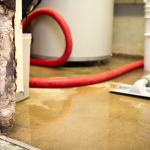
Water damage follows a predictable progression timeline that professionals use to assess urgency. Within the first few hours, moisture begins penetrating porous materials including drywall, insulation, carpeting, and wooden structures. During this period, extraction and drying can typically salvage most affected materials. However, as hours progress toward the 24-hour mark, water absorption becomes more extensive. Drywall starts losing structural integrity, wood begins swelling, and metal components initiate corrosion. Most significantly, mold spores find the moisture they need to begin colonization. This first day represents the optimal intervention window when restoration efforts are most effective and least expensive, making immediate professional response essential for controlling both damage extent and associated costs.
Professional Response Services and Expertise
The specialized equipment, technical knowledge, and systematic approaches employed by restoration professionals cannot be replicated through DIY efforts. Industrial-grade water extractors remove hundreds of liters in minutes compared to hours required by household equipment. Thermal imaging cameras detect hidden moisture in wall cavities and subfloors that would otherwise remain undetected until significant damage manifests. Moisture meters provide precise readings that guide drying strategies and verify when materials have reached safe moisture levels. Property owners seeking expert assistance with flooding, burst pipes, storm damage, or sewage backups can access comprehensive water damage restoration on the Gold Coast to address emergency situations with rapid response, advanced extraction technology, structural drying systems, and complete remediation services that prevent escalation of damage and costs. Professional technicians understand the science of evaporation and humidity control required to dry structures thoroughly. Their documentation also proves invaluable for insurance claims, providing detailed evidence of damage extent and restoration costs.
Mold Growth and Health Hazards
Mold development represents one of the most serious consequences of delayed water damage response, with colonization beginning within 24 to 48 hours. Once established, mold spreads rapidly through spore release, contaminating air quality and requiring extensive remediation that far exceeds initial water damage restoration costs. Visible mold indicates only a fraction of total contamination, as colonies often develop behind walls and under flooring. Health implications range from respiratory irritation to serious complications for individuals with compromised immune systems. According to the Environmental Protection Agency, preventing mold growth through rapid moisture removal is far more cost-effective than addressing established problems. Remediation of significant mold contamination requires containment, air filtration, material removal, and antimicrobial treatment, often costing tens of thousands beyond original repair expenses.
Structural Deterioration and Safety Concerns
Prolonged moisture exposure compromises structural integrity in ways that threaten both property value and occupant safety. Wooden framing members absorb water, lose strength, and become susceptible to rot. Drywall becomes soft and crumbles, requiring complete replacement rather than repair. Flooring materials including hardwood, laminate, and tile separate from substrates and buckle. Electrical systems exposed to water create fire hazards. Foundation walls subjected to persistent moisture develop cracks and leaks. Ceiling materials saturated with water can collapse without warning. Each day of delayed response allows these deterioration processes to progress, expanding the scope of necessary repairs. What might initially require drying and minor patching can escalate to full-scale reconstruction involving framing replacement, electrical rewiring, and flooring installation when intervention is postponed.
Insurance Complications and Coverage Issues
Insurance policies typically require policyholders to take reasonable steps to mitigate damage, with failure to act promptly potentially resulting in claim denials. Insurers expect immediate notification and professional intervention to prevent damage escalation. When owners delay response and additional damage occurs, adjusters may determine that deterioration resulted from negligence rather than the original incident. Mold damage faces particular scrutiny, as many policies exclude coverage for mold developing due to failure to address water intrusion promptly. The cost difference between covered water damage restoration and uncovered mold remediation can mean tens of thousands in out-of-pocket expenses. Delays also complicate damage assessment, as adjusters struggle to differentiate between original damage and deterioration caused by postponed intervention.
Secondary Damage and Cascading Failures
Water damage rarely remains isolated, instead spreading through structures via gravity and capillary action. Water travels through wall cavities and floor joists, affecting rooms far from the original intrusion point. Building materials that absorb moisture transfer it to adjacent materials, expanding damage zones. HVAC systems can distribute contaminated air throughout entire buildings. Sewage backups introduce pathogens requiring specialized cleaning. Each hour of delay allows these secondary damage patterns to develop, multiplying both scope and financial cost of restoration. According to research from the Institute of Inspection, Cleaning and Restoration Certification, rapid response within the first 48 hours prevents most secondary damage scenarios, while delayed intervention often results in damage costs three to five times higher.
Long-Term Property Value Impact
Even after restoration, properties with histories of significant water damage face potential devaluation and disclosure requirements. Incomplete drying leaves residual moisture causing ongoing problems including persistent odors and recurring mold growth. Future buyers may discover evidence of prior water damage, raising concerns and reducing property marketability. Disclosure laws require sellers to reveal known material defects including water damage and mold issues, potentially affecting sale prices. Properties with documented mold problems may face difficulty obtaining insurance coverage. Conversely, properties where water damage received immediate professional response typically suffer minimal long-term value impact, as proper mitigation prevents ongoing issues that concern buyers and insurers.
Conclusion: The Economics of Immediate Action
The financial case for immediate water damage response overwhelmingly favors rapid professional intervention over delayed reaction. Every hour of postponement allows damage progression that increases restoration costs exponentially while decreasing the likelihood of complete recovery. The relatively modest investment in emergency water extraction and structural drying during the critical first 24 hours prevents the far greater expenses associated with mold remediation, structural reconstruction, insurance disputes, and property devaluation. For property owners, the decision to delay represents a gamble with unfavorable odds, trading short-term convenience against substantial long-term costs. Understanding that water damage is a time-sensitive emergency requiring immediate professional response protects both property values and financial interests while ensuring safe, healthy indoor environments for occupants.