Planning a Shed Build? Don’t Overlook the Electrical Setup
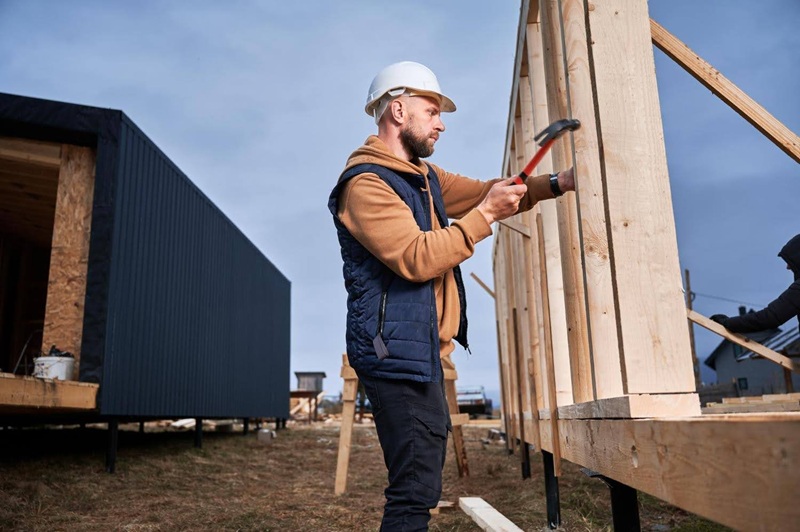
For many Australians, a shed is more than just extra storage. It can be a workshop, a hobby space, a home gym, or even a small business base. People often spend months planning the structure itself, choosing size, materials, and layout, but one part of the project is frequently underestimated: the electrical setup.
It’s common to focus on walls and roofing first, only to realise later that safe, practical power access is just as important. That’s why some shed owners talk to an insured electrician in Cairns early in the planning stage, especially when the shed will have power tools, lighting, or climate control. Thinking about electrical needs upfront helps avoid costly retrofits and safety risks later on.
A shed that’s well-powered is more usable, safer, and more future-proof. Electrical planning isn’t the most exciting part of a build, but it’s one of the most important.
Why Electrical Planning Matters
Electricity changes how a shed can be used. Without power, a shed may only serve basic storage. With well-planned electrical access, it becomes a functional workspace.
However, power also introduces responsibility. Poorly planned wiring or overloaded circuits can create fire hazards, equipment damage, or compliance issues. In Australia, electrical work is regulated for good reason, safety.
The Electrical Safety Office Queensland regularly reminds property owners that unsafe electrical installations are a serious risk factor for home fires and injuries. Even small DIY shortcuts can have long-term consequences.
Planning properly reduces these risks while making the shed more enjoyable to use.
Think About Purpose First
Before running any cables, it helps to decide how the shed will actually be used. A simple garden shed has very different needs from a woodworking workshop or vehicle workspace.
A few questions clarify requirements:
Will you use power tools regularly?
Do you need strong lighting for detailed work?
Will refrigeration or climate control be added?
Could the shed’s purpose change in the future?
Answering these early helps determine how much power capacity is needed. Underestimating demand often leads to extension leads and power boards later, which are not ideal long-term solutions.
Lighting: More Than Just a Bulb
Lighting is often overlooked, yet it shapes how comfortable and safe a shed feels. Dim or uneven lighting can cause mistakes, especially when working with tools.
Bright, evenly distributed LED lighting is popular because it’s efficient and long-lasting. Task lighting over benches or work areas also makes a difference.
Natural light helps too. Skylights or windows can reduce daytime energy use while making the space more pleasant.
Power Point Placement
Where outlets are located affects how the shed functions. Too few outlets or poorly placed ones lead to trailing cords and clutter.
Outlets near workbenches, doors, and key equipment zones are practical. Outdoor-rated outlets may be needed if part of the shed opens to the elements. Good placement reduces trip hazards and makes the space feel purpose-built.
Considering Future Needs
One of the most common regrets shed owners have is not planning for future expansion. What starts as a storage shed may become a workshop later. A hobby space might turn into a small business.
Installing slightly more capacity than currently needed can be a smart move. It’s often easier and cheaper to plan ahead than to upgrade later.
Safety Switches and Protection
Safety switches (RCDs) are essential in modern electrical setups. They cut power quickly if a fault is detected, reducing the risk of shock or fire. Proper circuit protection also matters. Sheds with heavy equipment may require dedicated circuits. These protections are not just technical details, they are critical safeguards.
Indoor vs Outdoor Conditions
Sheds experience more temperature swings and moisture exposure than homes. Dust, humidity, and heat can affect electrical components.
Weather-resistant fittings and proper enclosure ratings help ensure durability. In tropical areas, ventilation and moisture control are especially important. Electrical systems should match the environment they operate in.
Avoiding DIY Risks
While many Australians enjoy DIY projects, electrical work is one area where caution is vital. Licensed work ensures compliance and safety.
DIY electrical modifications can void insurance and create hidden risks. Even if something works initially, faults may appear later. Knowing when to bring in a professional protects both the property and its users.
Compliance and Insurance
A compliant electrical installation isn’t just about safety, it can affect insurance and property value. Non-compliant work may create issues during claims or resale. Documentation of proper installation can provide peace of mind.
Making the Shed Comfortable
Beyond tools and lighting, some shed owners add fans or cooling systems to make the space more comfortable, especially in warmer climates. Comfort encourages regular use and productivity. A shed that’s too hot or poorly lit often ends up underused.
A well-designed shed deserves a well-planned electrical setup. Power transforms a basic structure into a versatile, productive space. But with electricity comes responsibility.
Taking time to plan, prioritise safety, and think ahead ensures the shed remains functional for years to come. It also protects the people using it.
The best shed builds aren’t just strong on the outside, they’re thoughtfully equipped on the inside. And when electrical planning is done right, it becomes one of the quiet features that makes a shed truly useful.