From Storage to Workshop: When Your Shed Needs Professional Plumbing

For many Australians, a shed starts as a simple storage space. Over time, it evolves into something far more functional: a workshop, hobby room, home business base, or serious DIY zone. As soon as that shift happens, plumbing stops being optional and starts becoming essential. This is usually the point where many owners realise they need to hire a local plumber servicing Adelaide to make sure water, drainage, and compliance are handled properly before small oversights turn into long-term problems.
While power and insulation often get most of the attention, plumbing is the system that quietly determines whether a shed upgrade will be practical, durable, and legally sound.
When a Shed Moves Beyond “Just Storage”
The moment a shed includes running water, a sink, a floor drain, or even a simple wash-down area, it enters a different category of use. Workshops that support mechanical work, woodworking, cleaning equipment, or regular occupancy place far greater demands on plumbing than basic storage ever does.
Water supply needs to be reliable, drainage must be controlled, and moisture has to be managed properly. Without professional planning, sheds can quickly develop problems such as pooling water, slab damage, or persistent dampness that affects tools, materials, and the structure itself.
Why DIY Plumbing Often Fails in Sheds
Sheds are commonly treated as secondary structures, which leads many owners to take a more relaxed approach to plumbing. This is where issues often begin. Unlike houses, sheds are frequently built on simpler slabs, positioned on variable ground, or located further from existing services.
Improvised pipe gradients, undersized drainage, or poorly sealed penetrations can all function “well enough” initially. Over time, however, these shortcuts tend to fail. Blocked drains, unpleasant odours, slab moisture intrusion, and corrosion are common outcomes, particularly in workshops that see frequent water use.
Drainage Is the Most Critical Factor
In shed conversions, drainage is far more important than most people realise. Any structure that uses water needs a clear strategy for where that water goes and how it leaves the site. Surface runoff, wash-down water, and accidental spills must all be accounted for.
Australian building guidance consistently highlights moisture as one of the biggest threats to structural longevity. Poor drainage can undermine a concrete slab, encourage mould growth, and lead to long-term ground movement issues. In sheds, where slabs are often thinner than those in houses, the consequences can be even more pronounced.
Professional plumbers approach drainage holistically, considering fall, soil conditions, usage patterns, and long-term wear rather than just immediate functionality.
Compliance and Change of Use Considerations
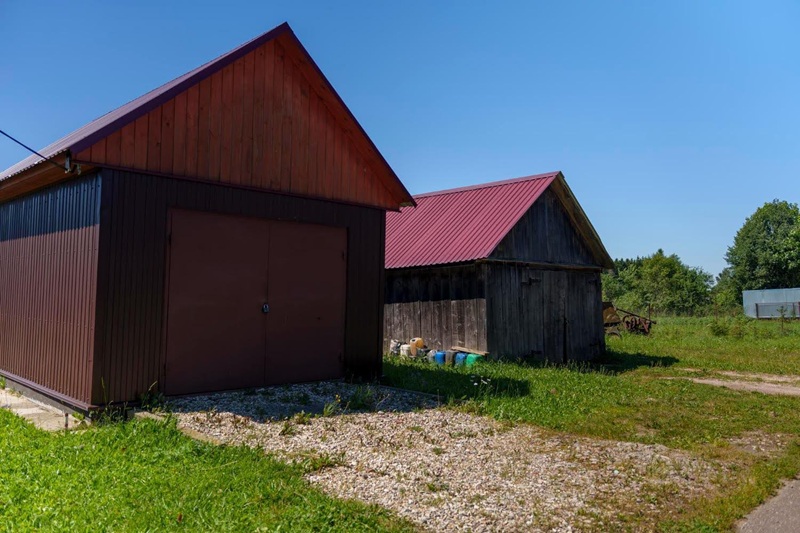
One of the most overlooked aspects of upgrading a shed is compliance. While a simple storage shed may fall under minimal requirements, a workshop with plumbing often triggers additional obligations. Sewer connections, greywater handling, ventilation, and backflow prevention may all become relevant depending on the setup.
Local councils and certifiers increasingly scrutinise outbuildings that function as workspaces, studios, or business environments. Plumbing that does not meet standards can create complications during inspections, insurance claims, or property sales.
From a compliance perspective, professional plumbing is not just about getting water to flow; it is about ensuring the structure is legally defensible as its use evolves.
How Plumbing Impacts Shed Longevity and Property Value
A well-designed workshop shed can be a genuine asset. Poor plumbing, on the other hand, can quietly erode its value. Persistent dampness affects stored items and tools, water damage weakens finishes, and visible plumbing issues can raise red flags during property inspections.
Buyers and inspectors increasingly assess outbuildings as part of the overall property offering. A shed that shows signs of water mismanagement may be seen as a liability rather than a bonus, even if the rest of the property is well maintained.
Knowing When Professional Input Is Essential
While many elements of a shed build can be handled by capable DIYers, plumbing is where professional input consistently pays off. Once water supply, drainage, or wastewater disposal is involved, mistakes become expensive to fix after the fact.
Engaging a qualified plumber early allows the system to be designed around the shed’s intended use, rather than patched together as needs arise. This approach reduces future disruptions, protects the structure, and ensures the shed can evolve without major rework.
Building a Shed That Works Long-Term
Transforming a shed into a functional workshop is an investment in usability, productivity, and property value. Plumbing plays a central role in determining whether that investment delivers long-term benefits or ongoing frustration.
When sheds are treated with the same level of planning as other parts of the home, they perform better, last longer, and integrate more seamlessly into the property as a whole. Professional plumbing is often the difference between a shed that merely functions and one that genuinely works.