From Backyard to Living Room: Creating Natural Flow in Australian Homes

Indoor–outdoor living has long been a defining feature of Australian homes. With our mild climate, love of entertaining and strong connection to nature, creating a seamless transition from backyard to living room is more than a design trend—it’s a lifestyle choice. Whether you live by the coast, in a growing regional town or in the suburbs, thoughtful design can help your indoor and outdoor spaces feel like one cohesive environment.
This blog explores how Australian homeowners can create natural flow between indoor and outdoor areas, improve comfort and functionality, and increase property value—without sacrificing style or practicality.
Why Indoor–Outdoor Flow Matters in Australian Homes
Australian homes are uniquely suited to indoor–outdoor living. Our climate encourages open spaces, fresh air and year-round outdoor use, making the connection between inside and outside especially valuable. A well-designed transition allows families to entertain easily, relax comfortably and make better use of available space.
Natural flow also improves how a home feels. Spaces that connect visually and physically tend to feel larger, brighter and more welcoming. When indoor and outdoor areas work together, the home becomes more functional for everyday living and more appealing for visitors.
Designing for Lifestyle, Not Just Appearance
Creating flow starts with understanding how you live in your home. Do you host weekend barbecues? Need space for children to play? Or prefer a quiet outdoor retreat? Design decisions should reflect and support these everyday habits.
More Australian homeowners now view outdoor areas as true extensions of their living rooms rather than secondary spaces. This shift is reflected in market trends, with the outdoor furniture market in Australia projected to grow by 12.05% to reach a value of over $80 million by 2029. This growth shows how much value Australians place on outdoor areas that are comfortable, functional and well designed.
Creating Visual Continuity Between Indoor and Outdoor Spaces
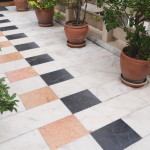
Visual continuity is one of the most effective ways to create natural flow. Using similar colours, materials and finishes across indoor and outdoor areas helps blur the line between the two. Flooring is a strong starting point—matching or complementary tiles, decking or concrete finishes can visually extend the living room into the backyard.
Furniture styles, soft furnishings and décor elements can also be mirrored. Neutral colour palettes, timber features and coastal-inspired tones work particularly well in Australian homes, creating a relaxed and cohesive feel throughout.
Maximising Natural Light and Openings
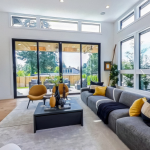
Large openings are essential for connecting indoor and outdoor spaces. Sliding glass doors, bi-fold doors and stacker doors allow the boundary between inside and outside to disappear when opened. Even when closed, large glazed areas maintain visual flow and bring natural light into the home.
Window placement is equally important. Well-positioned windows frame garden views, draw the eye outdoors and enhance the sense of openness. This design focus aligns with global trends, as the global window coverings market size is expected to grow at a compound annual growth rate of 8.5% from 2024 to 2030, reflecting growing demand for solutions that balance light control, privacy and style.
Using Window Coverings to Support Seamless Living
While large windows and doors are ideal for flow, privacy and sun control are still essential—particularly in Australia’s varied climate. Modern window coverings such as sheer blinds, outdoor-rated shades and retractable screens allow homeowners to maintain openness without sacrificing comfort.
These solutions soften transitions, reduce glare and protect interiors from heat while preserving visual connections. Choosing complementary window coverings for both indoor and outdoor areas reinforces a seamless look across the home.
Functional Transitions: Thresholds, Levels and Access
A seamless transition should feel effortless to use. Minimising steps, uneven surfaces and bulky thresholds improves accessibility and makes movement between spaces safer and more comfortable for people of all ages.
In regional towns and lifestyle-focused communities, functional design is especially important. For instance, in Drouin, Australia, you’re an hour and a half away from the Melbourne Airport, making it an appealing location for commuters and families. Homes in these areas benefit greatly from flexible indoor–outdoor spaces that support modern living.
Outdoor Areas That Feel Like True Living Spaces
To truly extend your living room outdoors, it’s important to think beyond a basic patio. Covered alfresco areas, pergolas and outdoor rooms provide shelter and allow the space to be used across multiple seasons.
Adding outdoor rugs, layered lighting and comfortable seating transforms these areas into genuine living zones. Features such as outdoor kitchens, fireplaces or ceiling fans further enhance usability, making the space feel like a natural continuation of the home.
Landscaping as a Connector Between Inside and Out
Landscaping plays a powerful role in creating indoor–outdoor flow. Plants positioned near windows and doorways soften boundaries and visually draw the outdoors inside. Using similar plant palettes or colour themes indoors and outdoors strengthens this connection.
Native Australian plants are a popular choice, offering low maintenance, sustainability benefits and visual harmony with modern home designs. When landscaping complements interior styling, the entire property feels more cohesive.
How Indoor–Outdoor Flow Adds Property Value
Homes with strong indoor–outdoor flow are highly desirable in the Australian property market. Buyers increasingly seek homes that support entertaining, relaxation and flexible use of space. A well-designed backyard can effectively add usable living area, increasing perceived value.
Even modest improvements—such as better access, upgraded outdoor furniture or improved shading—can make a significant difference. These updates often deliver strong returns by enhancing both liveability and visual appeal.
Adapting Design to Australia’s Diverse Climate
Australia’s varied climate means indoor–outdoor design must be adaptable. Coastal homes may prioritise airflow and weather-resistant materials, while homes in cooler regions may focus on insulation and wind protection.
Adjustable features such as retractable awnings, outdoor blinds and seasonal furnishings allow homeowners to enjoy their outdoor spaces year-round. Thoughtful planning ensures the flow remains practical and comfortable in all conditions.
Creating natural flow from backyard to living room is about more than good design—it’s about embracing the Australian lifestyle. By focusing on continuity, comfort and functionality, homeowners can turn separate areas into one harmonious living environment. Whether you’re renovating, building new or making gradual improvements, prioritising indoor–outdoor flow can enhance daily life, support entertaining and add long-term value. With the right design choices, your backyard can truly become an extension of your living room—open, welcoming and unmistakably Australian.