Emergency Electrician Services: What’s Actually Considered an Emergency?

When something goes wrong with your electrical system, it can be hard to know whether you need immediate help or if the issue can wait until the next day. Calling a qualified emergency electrician is the right move when there’s a genuine risk to safety, property, or essential services, but many homeowners aren’t sure what truly counts as an electrical emergency. Understanding the difference can help you respond quickly when it matters and avoid unnecessary call-outs when it doesn’t.
Power Outages in Only Part of Your Home
A full neighbourhood blackout isn’t an electrical emergency for an electrician, but a power outage affecting only your home or just one section of it often is. If circuit breakers repeatedly trip or a section of the house suddenly loses power with no clear cause, it may indicate wiring damage, overloaded circuits, or a failing switchboard. These issues can pose fire risks and shouldn’t be ignored.
Burning Smells, Smoke, or Heat Coming from Outlets
Any sign of burning plastic, electrical smoke, or unusual heat coming from outlets or electrical panels is a serious red flag. These symptoms usually point to overheating wiring, short circuits, or failing components. Electrical fires can start silently and spread rapidly, making this one of the most urgent situations requiring an emergency electrician.
Exposed or Damaged Wiring
If you see wiring that has become exposed, frayed, or physically damaged, whether from DIY accidents, pests, or ageing infrastructure, you should call for immediate help. Damaged wiring can shock anyone who touches it, start fires, or cause appliances to fail unpredictably. This is especially urgent if children or pets are in the home.
Switchboard Failures
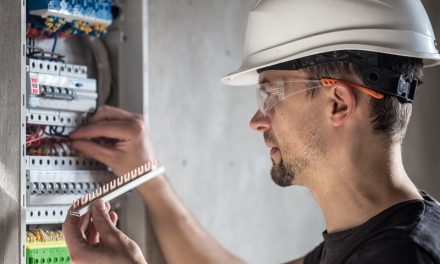
Your switchboard is the heart of your electrical system. If it begins buzzing, sparking, tripping constantly, or showing signs of burning, it needs urgent attention. Older switchboards can struggle with modern appliance loads, and a malfunctioning switchboard represents one of the highest fire risks in a home.
Lights Flickering or Dimming Suddenly
One flickering light isn’t an emergency. Entire rooms or floors flickering, buzzing, or dimming without explanation is different. This can indicate loose wiring, overloaded circuits, or faults in the system that require immediate diagnosis. If lights dim when large appliances start up, it may also suggest a problem with the main supply.
Electric Shocks or Tingling Sensations
Even a mild tingling feeling from a tap, appliance, or switch is a major danger signal. This can indicate an earthing failure or a live conductor touching metal surfaces within the home. Electric shocks, even small ones, should always be treated as urgent, as they can escalate into life-threatening situations if not addressed right away.
Water Leaks Near Electrical Components
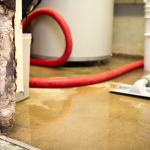
Water and electricity are a dangerous combination. If you notice water leaking into light fittings, dripping near power boards, or pooling around electrical systems, the situation becomes an emergency. Floods, roof leaks, and burst pipes can all compromise wiring, creating hidden hazards that must be assessed by a professional emergency electrician before power is used again.
Sparking Outlets or Appliances
A single spark when plugging something in can sometimes be harmless. But constant sparking, loud pops, scorch marks, or visible arcs from outlets or appliances are signs of major electrical faults. Continuing to use the outlet can lead to fires or appliance damage, making this a situation that requires prompt attention.
Loss of Hot Water (Electric Systems Only)
For homes with electric hot water systems, a sudden loss of hot water may occasionally be considered an emergency, particularly if the system is tripping circuits or leaking. While not always life-threatening, a malfunctioning electric hot water system can indicate deeper electrical issues that need quick diagnosis.
Overloaded or Damaged Extension Cords
Many electrical emergencies arise from incorrect use of extension cords or overloaded power boards. If an extension cord begins to smoke, melt, spark, or heat up, disconnect it safely (if possible) and call for assistance. This situation can escalate rapidly if left ignored.
When It’s Not an Emergency
Not every electrical issue requires an emergency electrician. The following situations can often wait for a standard appointment:
- Installing new power points or lighting
- General appliance repairs
- Planned renovation work
- Minor flickering caused by faulty bulbs
- Routine safety inspections
These are still important but don’t pose immediate risk to safety or property.
What to Do Before Help Arrives
If you suspect an electrical emergency, prioritise safety:
- Turn off power at the main switch if it’s safe to do so
- Keep away from the affected area
- Avoid touching anything wet or conductive
- Do not attempt DIY electrical repairs
- Evacuate if you smell burning or see smoke
Quick action can prevent injuries and reduce damage.
Final Thoughts
Electrical emergencies are serious, and understanding what qualifies as urgent can help protect your home and family. If there’s any sign of fire hazards, exposed wiring, electric shocks, or unexplained power failures, calling an emergency electrician is the safest choice. When it comes to electricity, it’s always better to be cautious, since small warning signs can quickly escalate into major dangers if ignored.