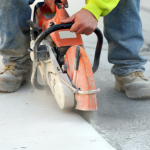
Concrete Hand Sawing Tips for DIY Outdoor Projects

Nothing beats the pride of standing in your backyard and seeing a vision brought to life by your own hands.
This might be a custom fire pit, crisp garden edging, or a perfectly lit pathway. Yet, many DIY enthusiasts hit a literal, when they realize that their vision is blocked by several inches of solid concrete.
While concrete used to be a deal-breaker for the average homeowner, it doesn’t have to be. With modern equipment and professional techniques, hand sawing concrete is now a skill within your reach. If you’re ready to stop letting a slab dictate your backyard layout, these expert tips will give you the confidence to cut through the stone to finish your renovation right.
Choose Your Tools the Smart Way
For most DIY projects, like cutting a new edge for a garden bed or shortening a few pavers, renting is always the smarter play.
Buying high-end concrete saws are expensive to maintain, unless you’re planning on becoming the neighbourhood’s go-to “concrete guy,” that investment is better spent on your actual landscaping materials. However, the decision comes down to how it is powered, not how much it costs.
Two Main Saw Choices for DIY Cutting Jobs
|
Electric Hand Saws |
Petrol-Powered Saws |
|
|
Regardless of which saw you choose, the blade matters more than the machine itself. You need a diamond blade, not a standard abrasive wheel, since abrasive blades grind their way through concrete, and create excess heat.
A diamond blade has a steel core with diamond segments on the edge, which cuts cleanly through the stone aggregate in Australian concrete.
Protect Yourself When Cutting Concrete
Concrete sawing isn’t like trimming a hedge. You are handling a high-torque machine spinning a diamond-rimmed blade at thousands of RPM. It’s a task that demands your full attention from the moment you pull the starter cord.
According to Hard Core VIC concrete cutting, the biggest hidden danger when cutting concrete is the dust not the blade. Dry cutting releases crystalline silica into the air, and breathing it in can cause permanent lung damage.
Safety Gear Checklist
- Wrap-around safety goggles to block flying grit
- P2 or N95 mask to limit dust inhalation
- Heavy-duty earmuffs to cut down noise impact
- Steel-toed boots to guard against slips and dropped tools
Before you cut into the slab, you need to know what is underneath it. Many DIY jobs come to a sudden stop because someone cuts through an electrical conduit or a water pipe.
If you are cutting a slab that’s connected to your house, there’s a high probability of plumbing or electrical lines running beneath it. Always use stud finders rated for masonry or consult your property’s site plans.
How to Cut Concrete the Right Way
You’ve got your gear on, the saw is hummed to life, and you’re staring at that chalk line. Your instinct is probably to bury the blade as deep as it can go and push forward until the job is done.
This is the most common DIY mistake. It bogs down the motor, overheats the blade, and throws the cut off your straight line.
Here is how you manage the saw like a veteran:
Doing the Full-Depth Cut
- Increase the blade depth after the score line is in place.
- Follow the score line and guide the saw, do not force it.
- Let the weight of the saw and the blade rotation do the work.
- If the RPM drops or the saw struggles, you are pushing too hard.
- Back off slightly and let the blade cut at its own pace.
How to Stay in Control of the Saw
If the concrete you are cutting is unsupported, it can sag as the cut goes deeper. When the slab sags, it closes the gap and pinches the blade, which can cause kickback.
Use small wooden wedges or shims and place them into the cut behind the saw as you go. This keeps the cut open and keeps the saw under control.
What to Do With the Concrete Slurry After Cutting
Do not let it dry on your driveway or lawn. Once it hardens, it becomes a thin layer of concrete that is very hard to remove.
Keep a garden hose or wet-dry vacuum nearby to remove the slurry as you go. Use sandbags, or a filter sock to block runoff from flowing into drains, this helps prevent environmental damage and avoids council fines.
Walking Away With a Job Done Right
Cutting concrete is a milestone for many DIY homeowners. It is noisy, messy, and needs steady control, though the result lasts for years. Choose the right saw, use proper safety gear, and follow the score and wedge technique to get a clean, professional result. The prep work is what sets a rushed job apart from a well-done one.