A Practical Guide To Valves For Chemical And Process Industries
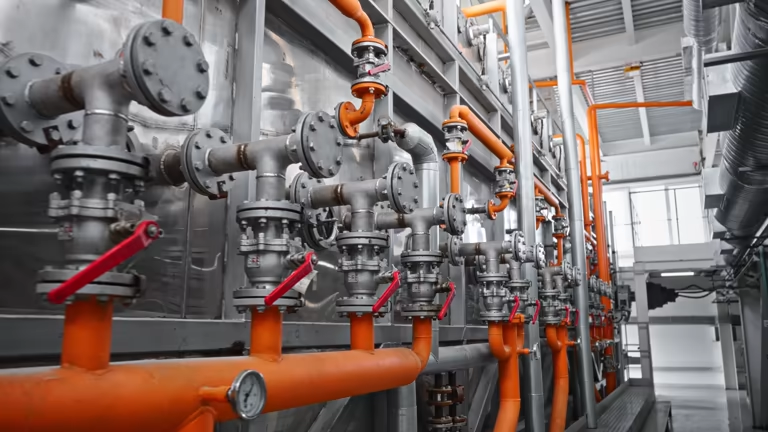
Have you ever thought about how liquids and gases move safely inside big plants without any confusion or mess?
Many readers ask how flow is controlled so smoothly in chemical and process industries, and the simple answer is that valves play a key role here. Valves help manage flow, pressure, and direction in a clean and controlled way.
They support daily operations and keep systems running in a steady and comfortable manner. This article explains valves in easy words, just like a normal discussion we have at work or over chai.
Understanding The Role Of Valves In Process Operations
Valves are an important part of the chemical and process industries because they help control how fluids move inside pipelines. They are used for starting flow, stopping flow, and adjusting flow as per process needs. Every operation depends on correct flow control, and valves help achieve that smoothly.
From handling water to managing chemical fluids, valves support stable operations and support safe handling. In simple terms, valves act like taps at home, but they are made for industrial use and work on a larger scale.
Common Types Of Valves Used In Industries
There are many types of valves used in chemical and process industries, and each type has a specific role. Gate valves are used when full flow is needed without restriction.
Globe valves are used when flow adjustment is required. See pvc ball valves are commonly used in systems where smooth operation and easy handling are required, especially in fluid lines that need regular flow control.
Here, butterfly valve designs help manage large flow lines using simple rotation and are widely used because they are easy to operate. Check valves support flow in one direction only and help maintain system balance. Each valve type supports smooth operations and fits different process needs.
Material Selection For Valves In Chemical Applications
Choosing the right valve material is important for smooth process flow. Different fluids require different materials to keep operations steady and clean.
Valve materials are selected based on fluid type, temperature, and pressure. Stainless steel is often used due to its clean surface and long life. Cast iron valves are suitable for water and low-pressure services.
In chemical handling systems, teflon lined diaphragm valves are preferred where clean flow control and fluid isolation are important. Proper material selection supports consistent performance and long service life.
Importance Of Compatibility With Process Fluids
Valve material compatibility supports steady operations and helps maintain system quality. When valve material matches the process fluid, flow remains smooth and controlled. Compatibility also helps maintain cleanliness and system balance.
Engineers usually check fluid properties before selecting valves so that operations remain stable and easy to manage. This practice supports smooth working conditions in daily plant activities.
Valve Operation And Control Methods
Valve operation methods depend on how often and how quickly the flow needs adjustment. Manual valves are operated by hand and are used where flow change is not frequent. Automated valves use actuators and support smooth remote control.
Pneumatic and electric actuators help manage flow with ease and accuracy. These control methods support efficient plant operations and help operators manage large systems comfortably.
Ease Of Operation In Daily Plant Use
Easy valve operation helps plant teams manage processes without stress. Clear markings, smooth movement, and simple controls make daily tasks easier. Operators prefer valves that open and close without effort and respond well to control signals. Smooth operation supports better workflow and helps teams focus on overall process management.
Installation And Maintenance Practices
Proper valve installation supports reliable flow control and stable system performance. Correct alignment, clean connections, and proper tightening help valves work smoothly.
Regular checks help keep valves in good condition and support steady performance. Maintenance activities like cleaning and lubrication support long-term use and easy operation.
Supporting Long-Term Performance
Regular care helps valves perform well over time. Scheduled inspections help ensure smooth movement and proper sealing. When valves are maintained properly, they continue to support stable operations and consistent flow.
Maintenance teams usually follow simple routines that fit daily plant schedules and help maintain process comfort.
Valves And Safety Support In Industries
Valves support safe flow control by helping manage pressure and direction. Relief valves help balance system pressure and support steady working conditions.
Isolation valves allow sections of pipelines to be managed easily during routine checks. These practices support a calm and organised work environment inside plants.
Creating Smooth And Reliable Operations
Well-selected and well-maintained valves help create a stable process flow. They support clear control, easy handling, and steady system behaviour. Plant teams rely on valves every day to manage operations without confusion.
With correct selection and care, valves continue to support smooth plant performance and daily comfort for operators.
Conclusion
Valves play a steady and supportive role in chemical and process industries, helping plants run in a smooth and organised way. From controlling flow to supporting pressure balance, valves quietly handle daily tasks without creating confusion.
When the right type of valve is selected, installed properly, and taken care of on a regular basis, it supports comfort for operators and stability for the process. Understanding valves in simple terms helps teams make better decisions and work with more confidence.
In daily plant life, valves act like trusted helpers that keep everything moving in the right direction, making operations easier, clearer, and well-managed.